
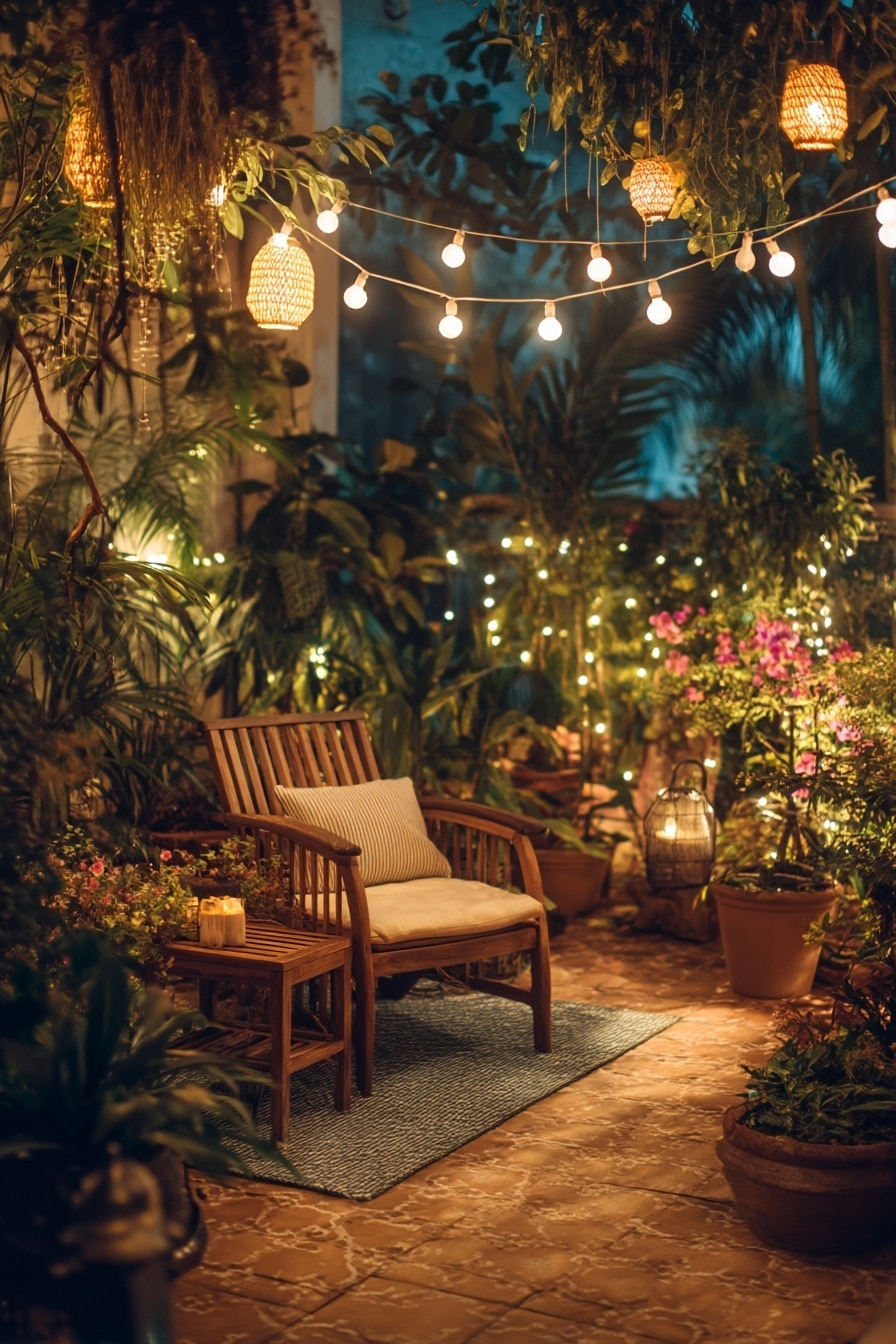
Courtyard garden spaces offer a unique opportunity to create a private and peaceful outdoor area, even in homes with limited yard space. Surrounded by walls or buildings, a courtyard garden can feel like a quiet retreat that blends greenery, seating, and thoughtful design.
Many homeowners use courtyard garden layouts to transform small outdoor spaces into attractive and functional areas. With the right plants, materials, and layout ideas, even a compact courtyard can become a relaxing garden escape.
The following courtyard garden design ideas show how simple elements like vertical planting, seating areas, and layered greenery can turn a small courtyard into a beautiful outdoor environment.
Table of Contents
1. Create a Cozy Seating Area

One of the most effective ways to design a courtyard garden is by including a comfortable seating space. A seating area gives the courtyard a clear purpose and encourages people to spend time outdoors.
Small courtyards benefit from compact furniture that does not overcrowd the space.
Seating Ideas for Courtyard Gardens
Consider adding:
- A small outdoor sofa or bench
- Weather-resistant cushions
- A coffee table or side table
- Soft outdoor lighting
Positioning seating against a wall or corner helps keep the center of the courtyard garden open and spacious.
2. Add Vertical Planting
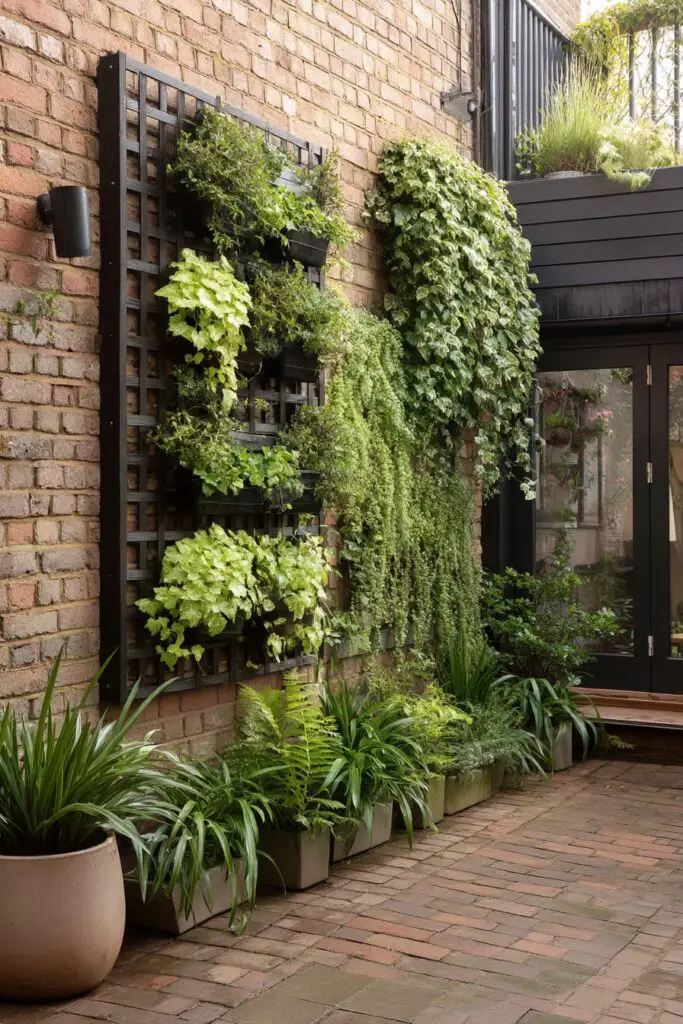
Vertical planting is a powerful solution for maximizing space in a courtyard garden. Instead of using valuable ground space, plants grow upward along walls or structures.
This technique also softens hard surfaces like brick or concrete.
Vertical Gardening Options
Common vertical elements include:
- Wall planters
- Trellises for climbing plants
- Hanging baskets
- Green walls
Climbing plants like jasmine, ivy, or climbing roses can transform plain walls into living greenery.
Vertical planting adds depth and makes the courtyard garden feel larger and more vibrant.
3. Use Potted Plants for Flexibility
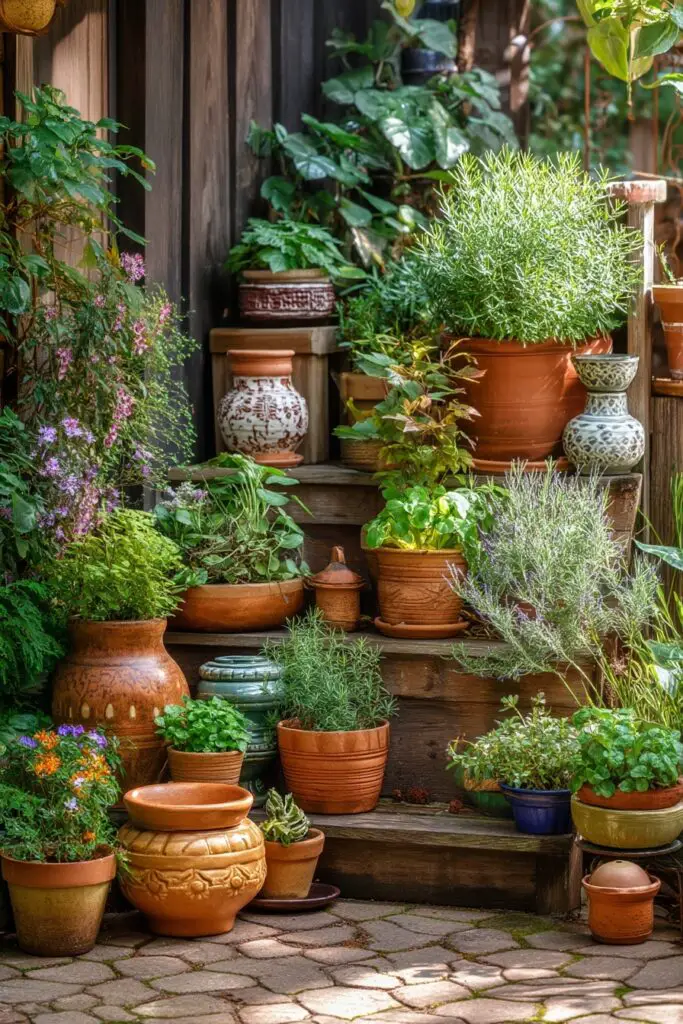
Containers play an important role in designing a courtyard garden. Pots allow plants to be moved easily, which helps gardeners adjust the layout or sunlight exposure.
A combination of pot sizes creates visual interest and adds layers to the courtyard.
Best Plants for Courtyard Containers
Popular choices include:
- Herbs such as rosemary and thyme
- Small shrubs
- Decorative grasses
- Flowering plants
Arranging containers around seating areas or along pathways helps guide movement through the courtyard garden.
4. Introduce Water Features
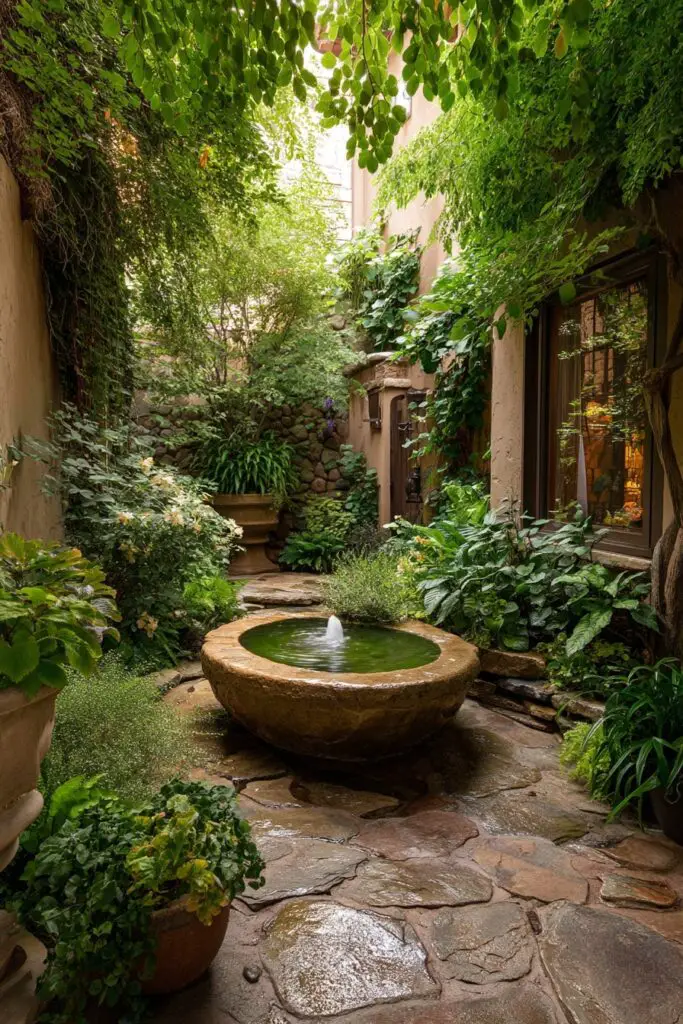
Adding a small water feature can make a courtyard garden feel calm and refreshing. The gentle sound of flowing water helps mask street noise and enhances the relaxing atmosphere.
Even compact courtyards can accommodate a small fountain or water bowl.
Types of Water Features for Courtyards
Good options include:
- Wall-mounted fountains
- Small pond basins
- Decorative water bowls
- Stone fountains
A water feature often becomes the focal point of the courtyard garden and draws attention to the center of the space.
5. Layer Plants for Depth
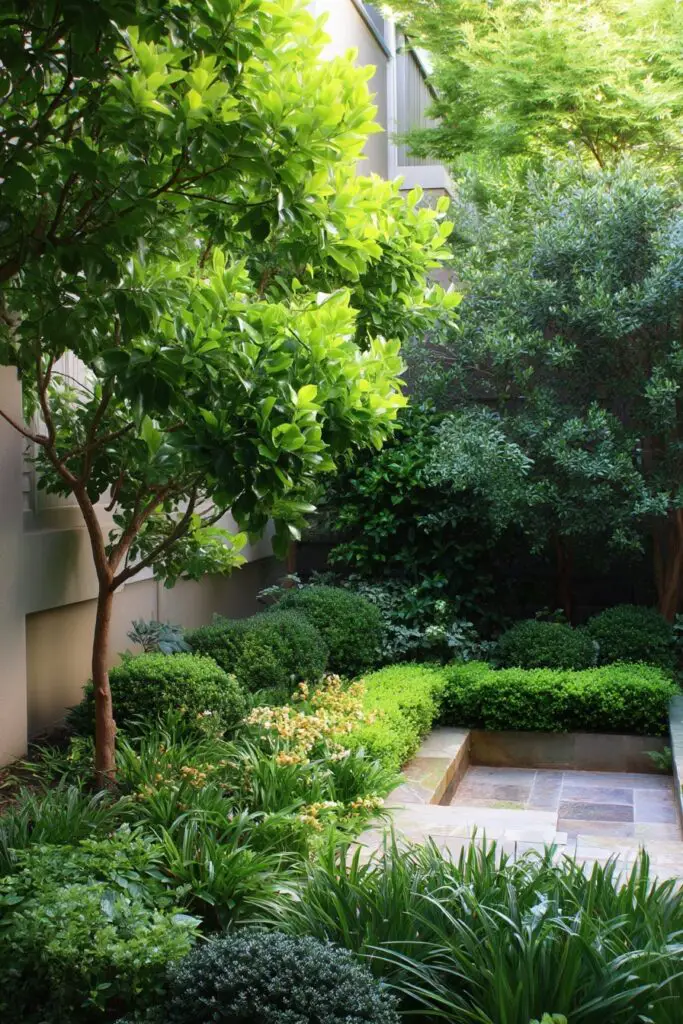
Plant layering is a useful technique for making a courtyard garden appear fuller and more natural. By combining plants of different heights, you can create a visually rich garden without using a large area.
Simple Plant Layering Strategy
Use three main layers:
- Tall plants: small trees or tall shrubs
- Medium plants: flowering shrubs or grasses
- Low plants: groundcovers or small flowers
Layering plants helps soften walls and adds depth to the courtyard garden.
6. Add Decorative Lighting
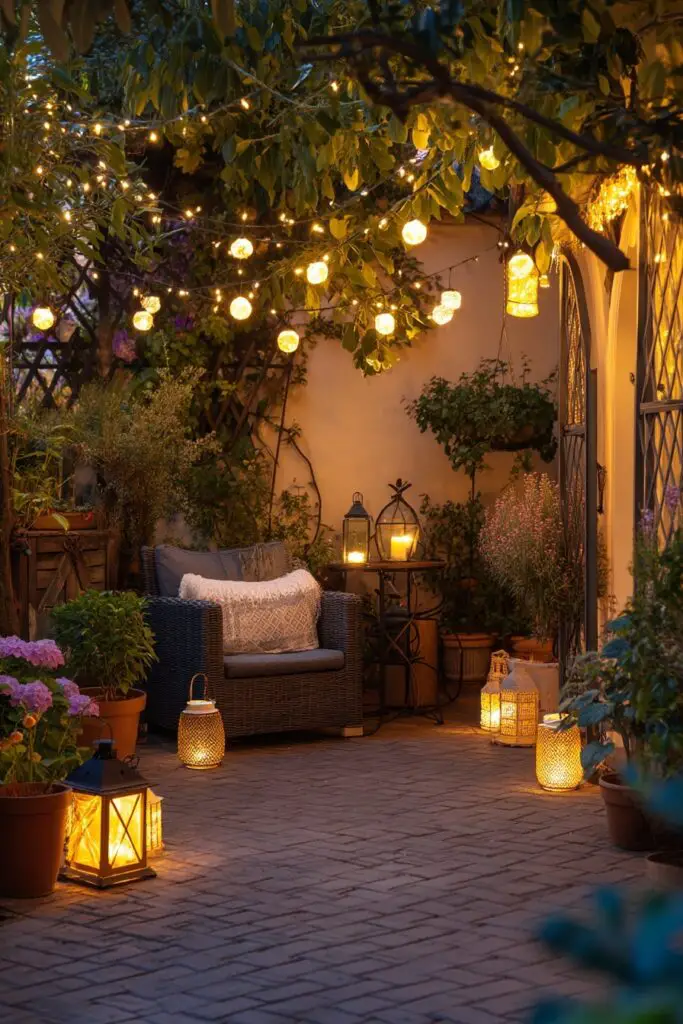
Lighting plays a big role in the atmosphere of a courtyard garden. Good lighting allows the space to be used during evenings while highlighting plants and architectural features.
Soft lighting also creates a cozy and inviting environment.
Courtyard Garden Lighting Ideas
Popular lighting choices include:
- String lights
- Wall-mounted lanterns
- Solar garden lights
- Pathway lighting
When placed carefully, lighting can highlight focal points like plants, seating areas, or water features within the courtyard garden.
Tips for Designing a Courtyard Garden
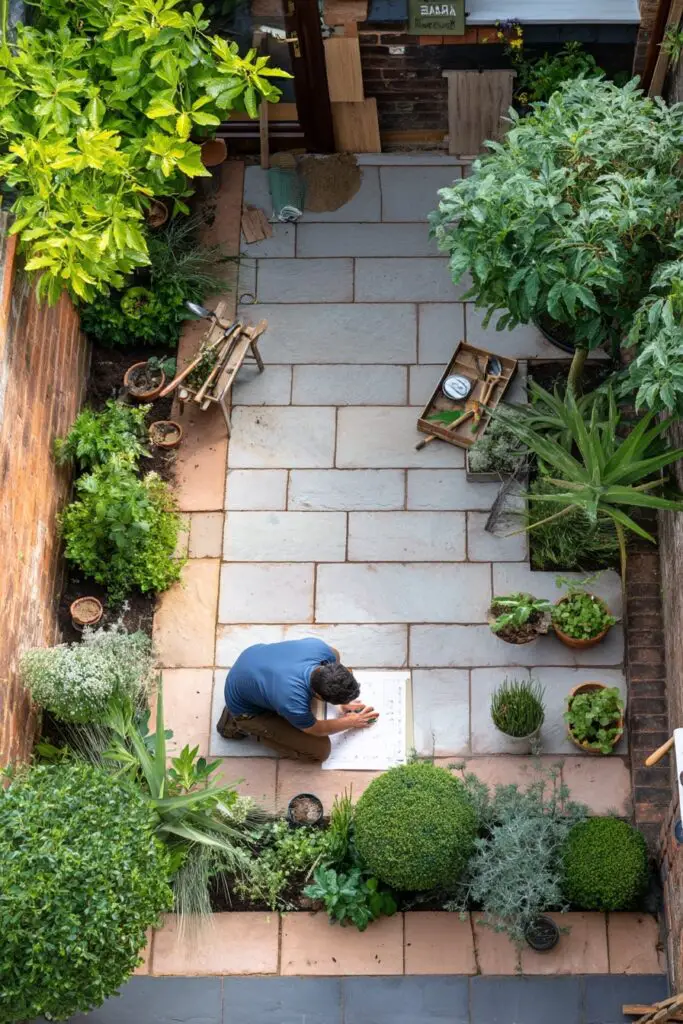
Before starting a courtyard garden, it helps to consider a few practical design factors.
Pay Attention to Sunlight
Courtyards can be partially shaded because of surrounding walls. Choose plants that match the available sunlight.
Use Light Colors
Light-colored paving stones or walls can help reflect light and make a courtyard garden feel brighter and larger.
Keep the Layout Simple
Avoid overcrowding the space. A clean layout with a few well-placed features often works best in smaller courtyards.
Conclusion
A thoughtfully planned courtyard garden can transform a small enclosed outdoor space into a relaxing and attractive retreat. By combining seating areas, vertical planting, container plants, water features, and layered greenery, you can create a courtyard that feels welcoming and balanced.
With careful planning and the right design elements, a courtyard garden can become a peaceful extension of your home where you can relax, entertain, or simply enjoy nature.