
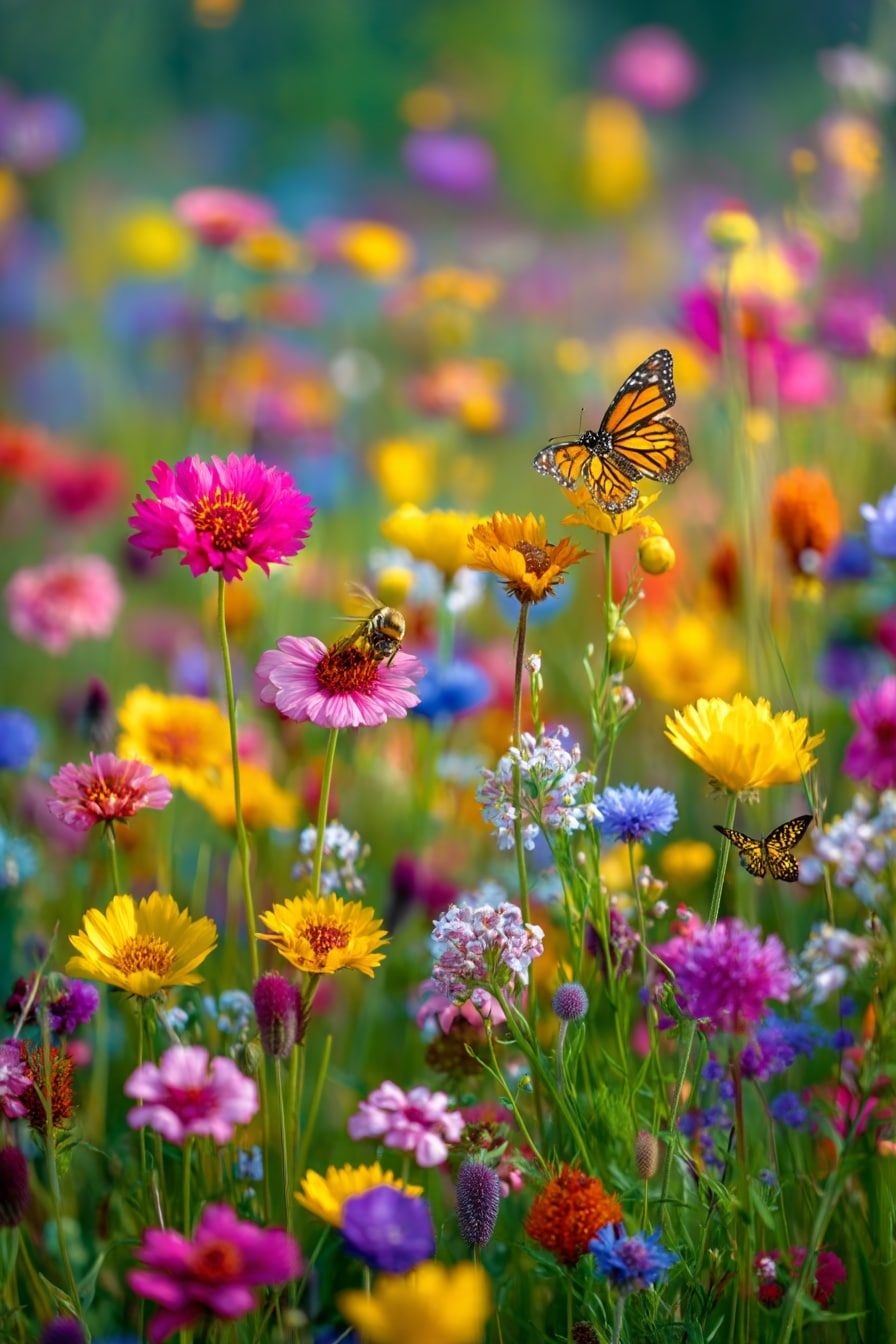
Flower meadow projects are becoming increasingly popular among gardeners who want a natural, pollinator-friendly landscape. A well-planned flower meadow can replace a traditional lawn with a dynamic mix of grasses and blooms that change through the seasons.
But creating a successful flower meadow takes more than scattering seed and hoping for the best. Soil preparation, plant selection, maintenance expectations, and site conditions all play a major role. Before you begin, here are five essential factors to think through so your flower meadow thrives long term.
Table of Contents
1. Understand Your Soil Conditions

Every successful flower meadow begins with soil awareness. Many gardeners assume fertile soil is ideal, but that’s not always true.
Why Soil Type Matters
Wildflowers often thrive in low-nutrient soil. Rich soil encourages aggressive grasses and weeds, which can quickly outcompete delicate blooms in your flower meadow.
Before planting, consider:
- Soil texture (sandy, clay, loam)
- Drainage quality
- Existing weed pressure
- Nutrient levels
A simple soil test can reveal pH and nutrient content. If your soil is too fertile, you may need to remove topsoil or stop fertilizing the area. Preparing the site properly gives your flower meadow a stronger start.
2. Choose the Right Flower Meadow Seed Mix
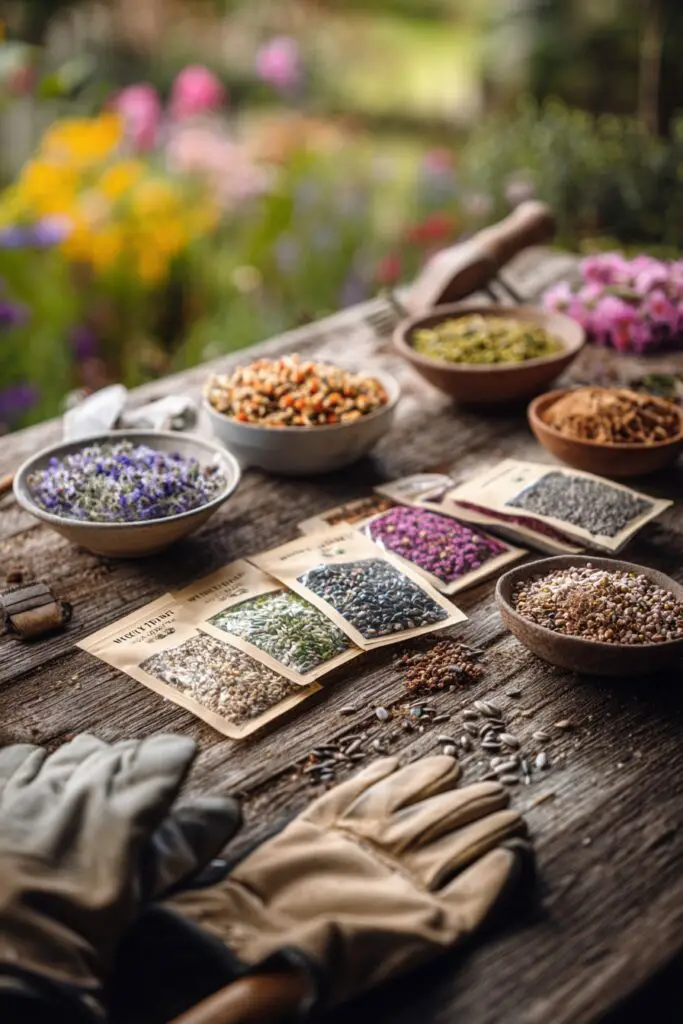
Not all seed mixes are equal. The success of your flower meadow depends heavily on selecting varieties suited to your climate and site.
Native vs. Non-Native Wildflowers
Native plants generally perform better because they are adapted to local conditions. They also support native pollinators and wildlife.
When selecting seed, look for:
- Regional wildflower blends
- A mix of annuals and perennials
- Species suited to sun or partial shade
- Grasses designed for meadow balance
Avoid generic mixes that don’t list species clearly. A well-matched blend ensures your flower meadow develops into a balanced ecosystem rather than a patchy display.
3. Prepare the Ground Properly
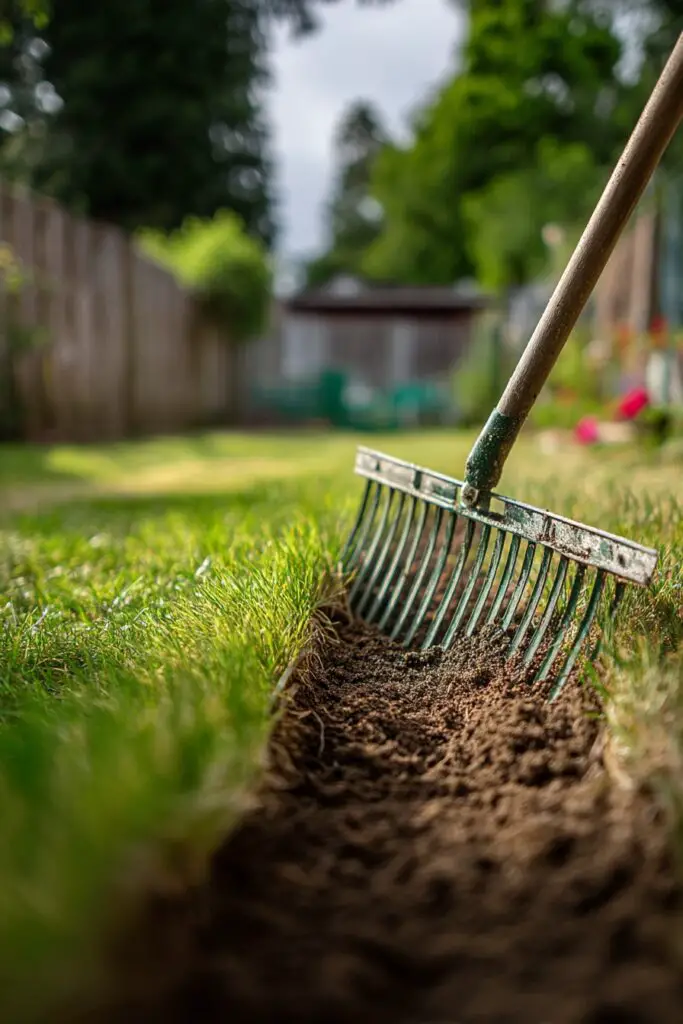
Site preparation is often the most overlooked step in establishing a flower meadow.
Remove Existing Lawn and Weeds
A flower meadow cannot compete with established turfgrass. You’ll need to:
- Remove existing grass
- Clear perennial weeds
- Loosen the soil surface
- Rake to create a fine seedbed
Some gardeners use sheet mulching or solarization months in advance. Others manually strip sod. The method matters less than thoroughness.
Skipping preparation often leads to weeds dominating your flower meadow in its first season.
4. Be Realistic About Maintenance
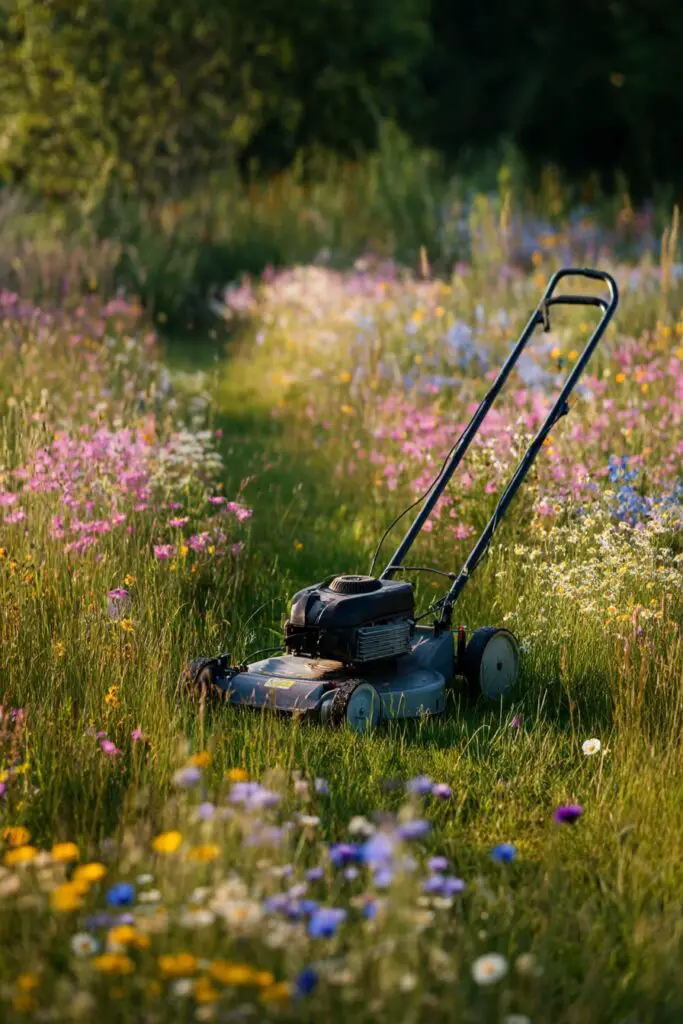
A flower meadow is lower maintenance than a lawn in some ways, but it is not maintenance-free.
Ongoing Care Includes:
- Mowing once or twice per year
- Removing invasive weeds
- Overseeding thin areas
- Monitoring plant balance
In the first year, your flower meadow may look sparse or uneven. Many perennial species focus on root growth before producing full blooms.
Patience is key. By year two or three, your flower meadow will become denser and more vibrant. Understanding the timeline prevents disappointment.
5. Consider Sunlight and Space
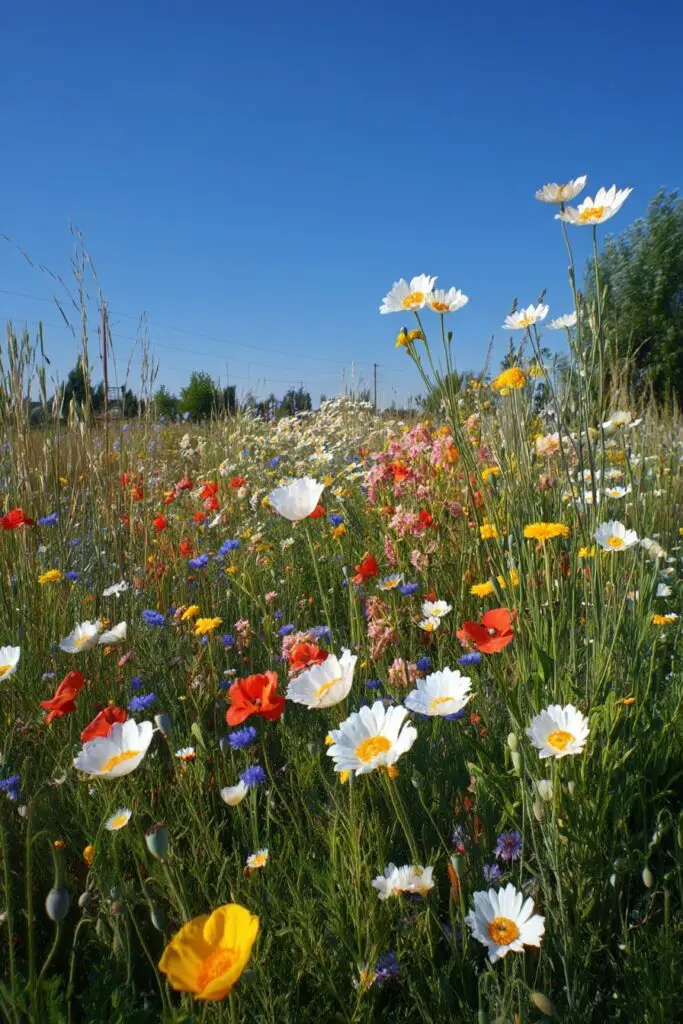
Sunlight is one of the most important factors in determining the success of a flower meadow.
Most Wildflowers Prefer Full Sun
Aim for at least six hours of direct sunlight daily. Shaded areas may require specialized woodland seed mixes.
Also consider scale. A flower meadow can range from a small backyard section to a large open field. Even a modest area can support pollinators and reduce mowing needs.
Think about:
- Visibility from your home
- Wind exposure
- Drainage patterns
- Neighboring landscapes
Positioning your flower meadow thoughtfully enhances both beauty and ecological value.
Conclusion
A flower meadow can transform an ordinary yard into a dynamic, wildlife-friendly landscape. However, success depends on thoughtful planning. By understanding soil conditions, choosing the right seed mix, preparing the ground properly, managing expectations, and evaluating sunlight, you set the foundation for long-term growth.
With patience and proper care, your flower meadow will reward you with shifting colors, buzzing pollinators, and seasonal beauty year after year.