
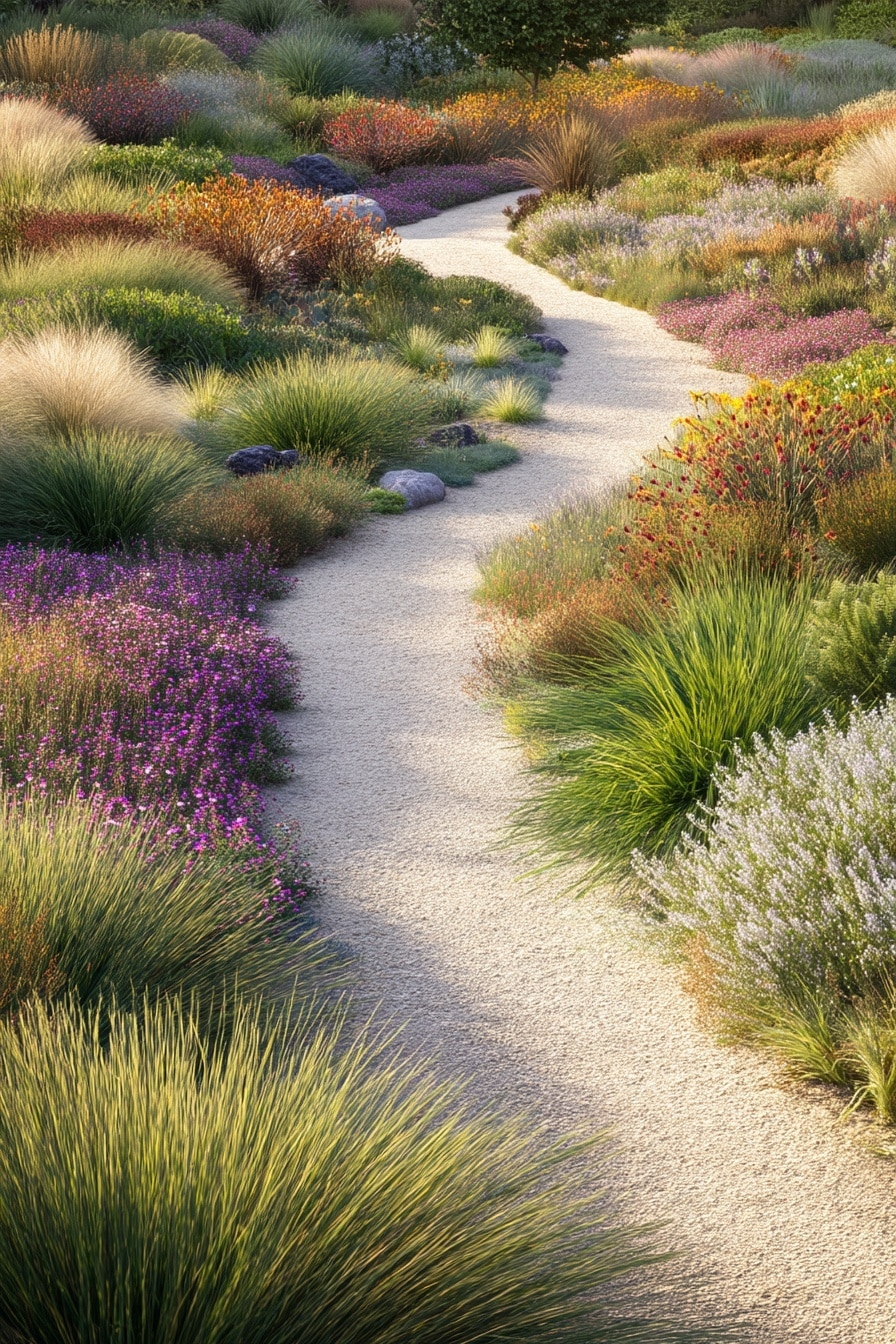
Meadow gardens bring the feel of natural grasslands into your outdoor space while providing environmental benefits that traditional lawns can’t match. These landscapes consist of a mix of native grasses and flowering plants that mimic wild ecosystems and are designed to support wildlife like birds, bees, and butterflies. Most meadow gardens require little watering or fertilising once established, no regular mowing, and fewer chemicals — making them environmentally friendly and visually appealing.
Table of Contents
What Is a Meadow Garden?

A meadow garden recreates the look and feel of a natural meadow by grouping together grasses and wildflowers in an informal, flowing pattern. Unlike a traditional lawn or a highly structured flower bed, meadow gardens have a more relaxed, natural aesthetic. They often include native grasses as foundational elements with flowering plants interspersed throughout to provide colour and attract pollinators.
These gardens support biodiversity, giving habitat and food sources to insects and birds, and can thrive with minimal supplemental care once they’re established.
Planning Your Meadow Garden

Choose the Right Site
Before planting a meadow, start by selecting a sunny area that receives at least six hours of direct light daily. Consider accessibility for planting and future maintenance, even if that will be minimal. This can be a full yard, a slope, or even a narrow strip near a pathway.
Check Local Guidelines
If you’re placing your meadow in a visible area, like a front yard, check local ordinances and homeowner association rules to make sure meadow landscaping is permitted.
Do Research on Plants
Study meadow plant species that are native to your region. Local nurseries or university extensions can help you compile a list of species that thrive in your climate and soil. Choosing native plants enhances biodiversity and increases the success of your meadow.
Planting Your Meadow Garden
Balance Grasses and Flowers
A successful meadow blends various grasses with flowering perennials and annuals. A common guideline is roughly 60–65% grasses and 35–40% flowers, though this is flexible based on your design goals. Grasses offer texture and movement, while flowers provide seasonal colour.
Prepare the Soil
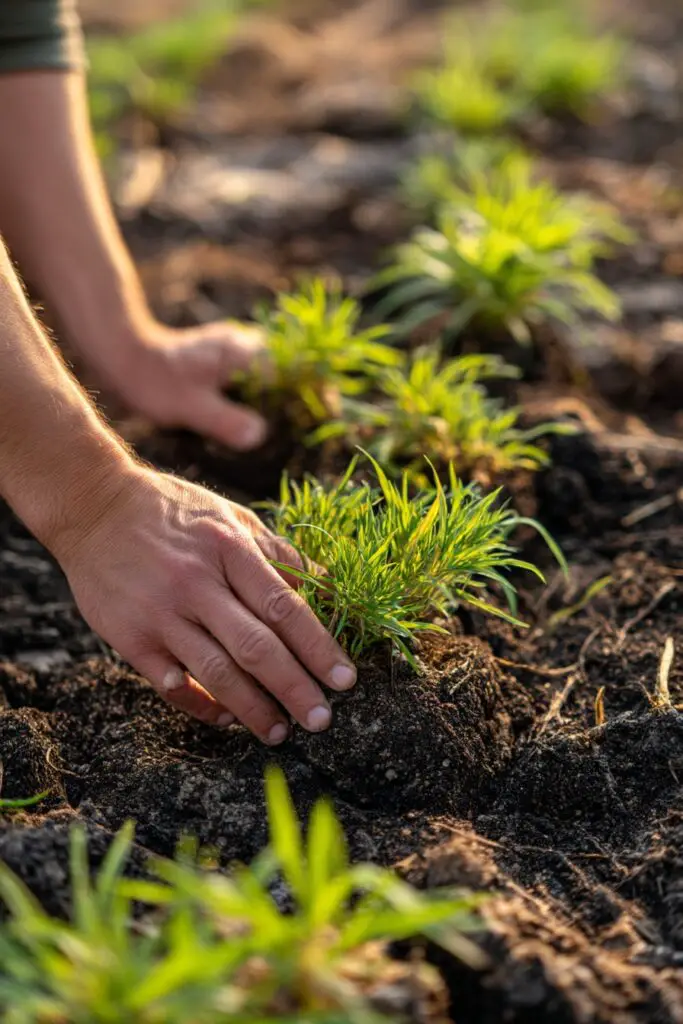
Clear existing vegetation and prepare the soil to give your meadow plants a good start. Native species typically prefer lean, well-drained soils, so avoid over-amending with rich compost.
Space Plants for Impact
Plant in drifts and clusters rather than isolated individuals. This creates a more natural meadow effect and helps plants establish micro-environments that encourage growth.
Design Tips for a Stunning Meadow
Add Pathways
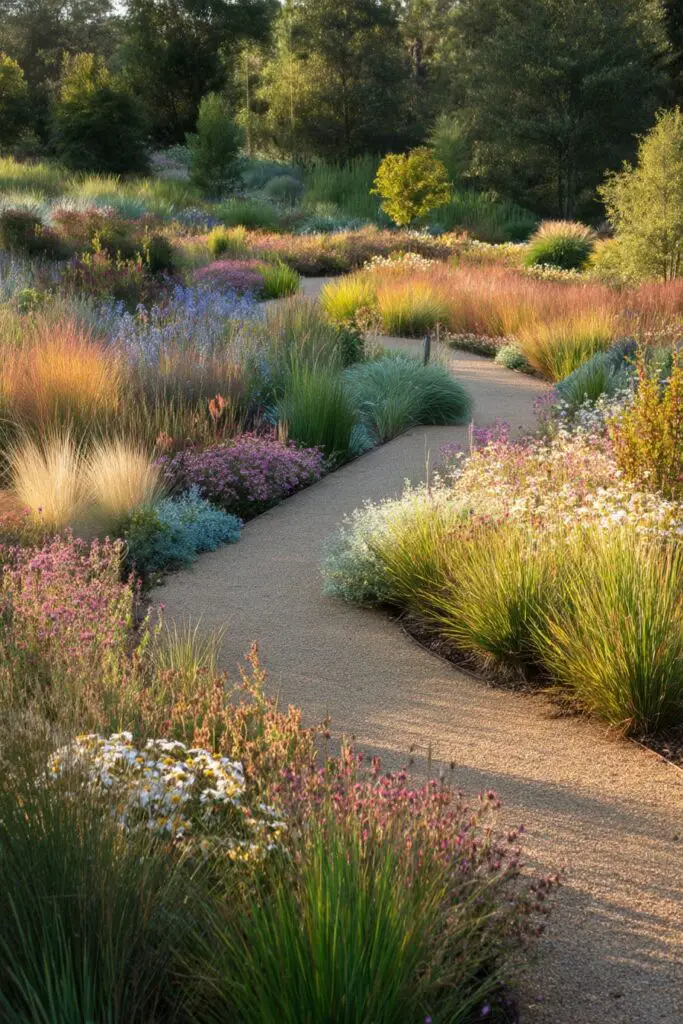
Meandering paths invite movement and exploration through the meadow. Use materials like stepping stones or gravel to create subtle trails that blend with the surrounding vegetation.
Create Seasonal Colour
To ensure your meadow has interest throughout the year, include plants with staggered bloom times. Bulbs for spring, annuals and perennials for summer, and seed heads for autumn all contribute to a dynamic display.
Use Repetition for Cohesion
Repeating plant groupings and textures throughout your meadow creates visual rhythm and ties the design together.
Keep Scale in Mind
If space is limited, focus on lower-growing species and dwarf varieties. Larger spaces can handle taller grasses and bold flower groupings that sway in the breeze.
How to Maintain Your Meadow Garden
Watering
Young meadow plants may need regular watering until established. Once they build strong root systems, many species require little to no supplemental water, especially in climates where they are native.
Fertilising
Native meadow plants generally prefer lean soil and do not benefit from heavy fertilisation. Over-fertilising can lead to excessive grass growth at the expense of flowers.
Pruning and Mowing
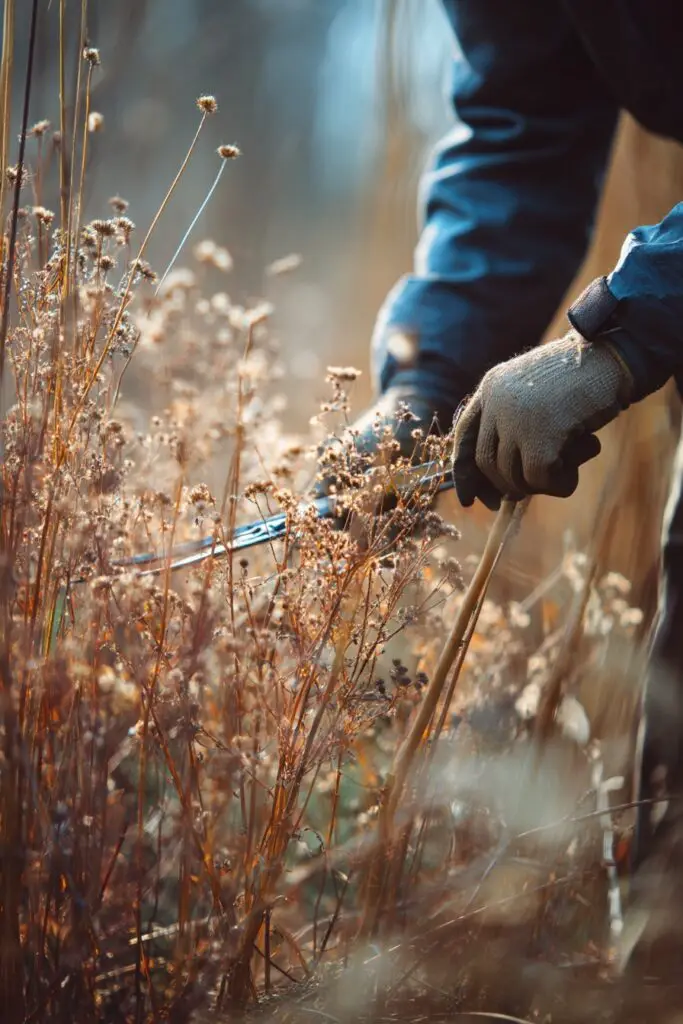
Leave seed heads and foliage over winter to support wildlife and provide habitat. In late winter or early spring, cut back stems to about 2 inches to prevent unwanted shrub growth and encourage vigorous new growth. Periodic mowing can help manage encroaching weeds and maintain open areas within your meadow.
Why Meadows Are a Great Choice
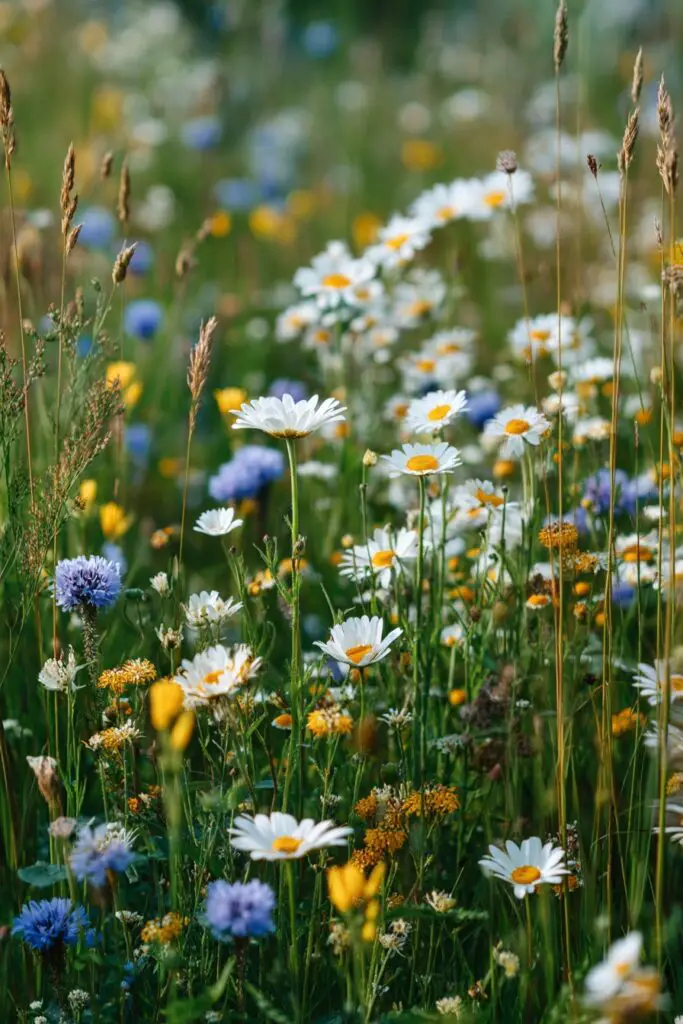
Meadow gardens not only enhance the beauty of your landscape but also benefit local ecosystems by providing food, shelter, and habitat for pollinators and other wildlife. They reduce the need for chemical inputs and mechanical maintenance like frequent mowing, offering a more sustainable and harmonious alternative to traditional lawns.
Conclusion
Creating a meadow garden blends the charm of natural grasslands with thoughtful design and ecological purpose. By planning carefully, choosing plants suited to your region, and allowing the landscape to evolve, you can enjoy a low-maintenance, biodiverse outdoor space that delights throughout the seasons.