
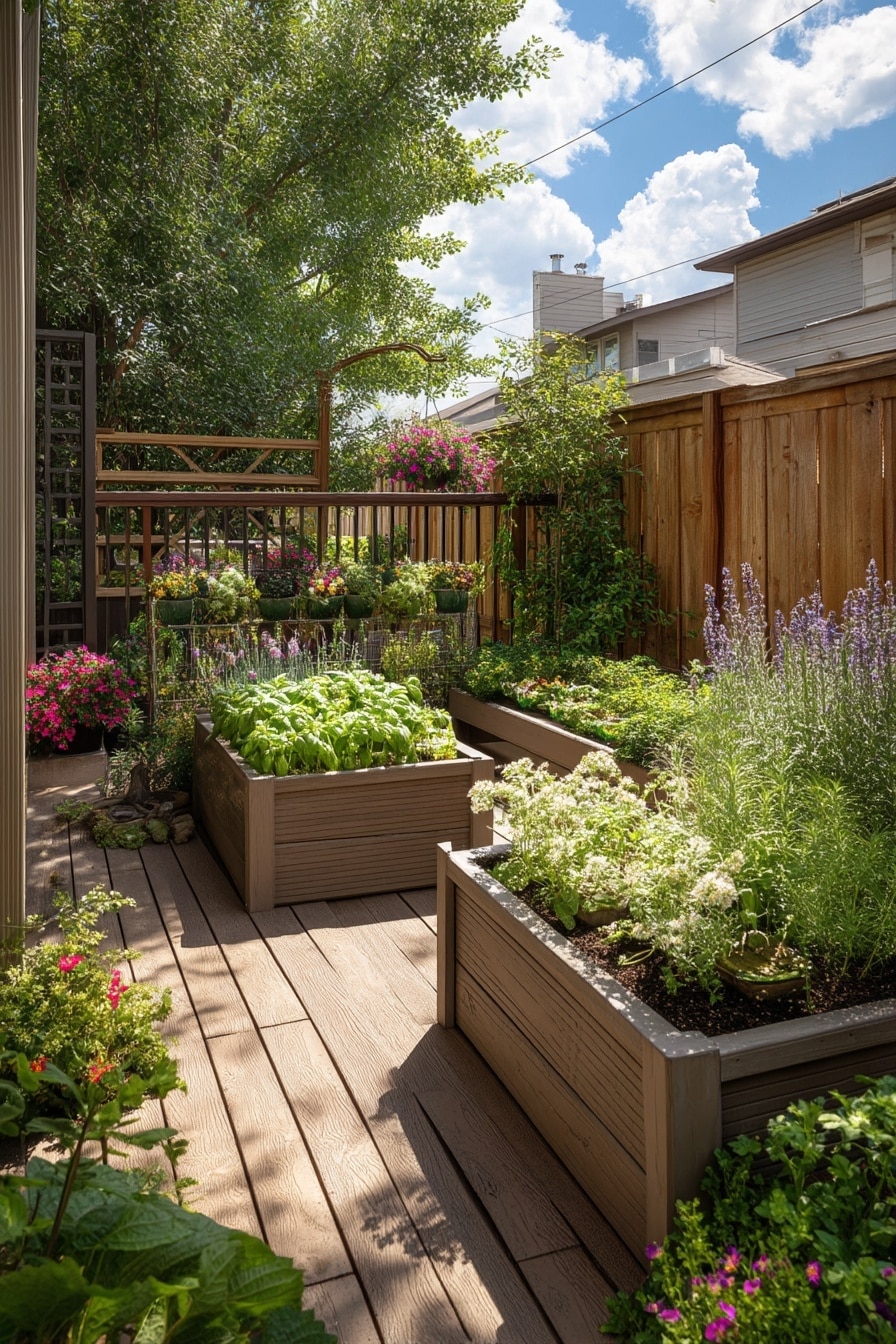
herb garden outdoor planning is one of the easiest and most rewarding ways to begin gardening. Whether you have a spacious backyard or a small patio, creating a herb garden outdoor setup gives you fresh flavors, fragrant greenery, and a practical introduction to growing plants.
Starting a herb garden outdoor space does not require advanced skills or expensive tools. With the right location, soil preparation, and plant selection, you can grow herbs that thrive throughout the season. This guide walks you through every step so you can build a healthy, productive garden with confidence.
Table of Contents
Why Start a Herb Garden Outdoor Space?

Growing herbs outside offers several advantages over indoor growing.
An herb garden outdoor environment provides:
- Better air circulation
- Stronger sunlight exposure
- More room for roots to expand
- Natural pollinator activity
Most herbs prefer full sun and open air. When placed in a well-planned herb garden outdoor layout, they grow fuller and produce more flavorful leaves.
Outdoor gardens also make harvesting easier. You can clip fresh basil, rosemary, or thyme just steps from your kitchen.
Step 1: Choose the Right Location
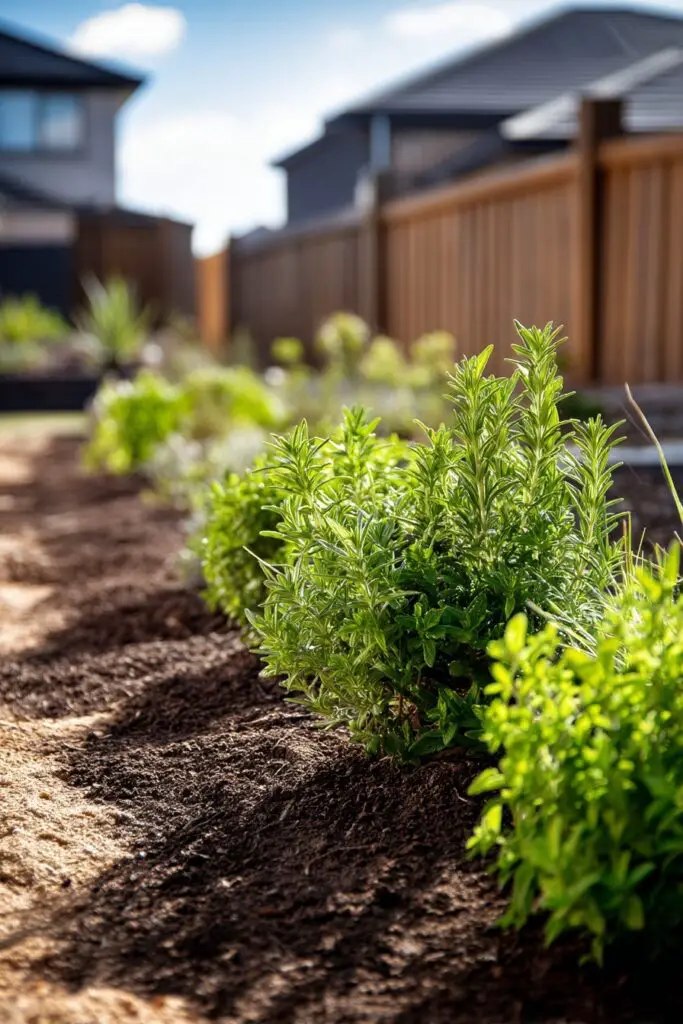
Location determines the success of your herb garden outdoor project.
Look for Full Sun
Most herbs require at least 6–8 hours of direct sunlight daily. Choose a south-facing area if possible.
If your yard has partial shade, select herbs that tolerate lower light, such as:
- Mint
- Parsley
- Chives
Ensure Good Drainage
Herbs dislike soggy roots. Avoid low spots where water pools after rain.
If drainage is poor, consider:
- Raised beds
- Large containers
- Amending soil with compost
A well-drained herb garden outdoor setup prevents root rot and encourages strong growth.
Step 2: Decide Between In-Ground, Raised Beds, or Containers
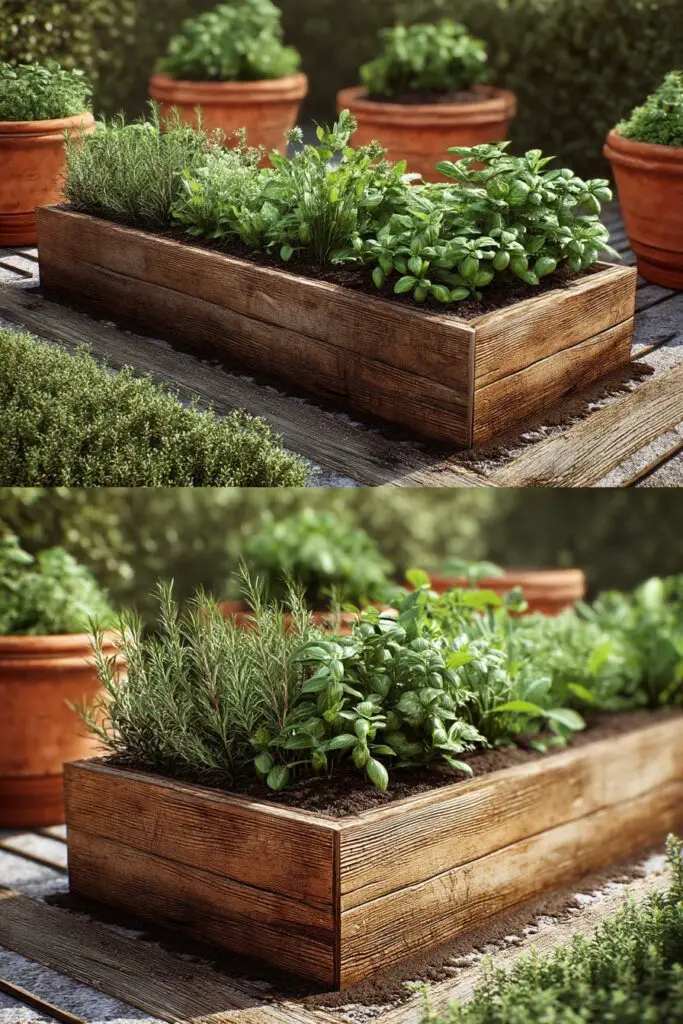
There are three main ways to design a herb garden outdoor space.
In-Ground Gardens
Planting directly in the soil works well if your soil is fertile and drains properly.
Benefits include:
- Lower cost
- Larger planting space
- Easier watering in some climates
Raised Beds
Raised beds improve drainage and soil quality control. They warm faster in spring, which benefits many herbs.
They are ideal if your native soil is heavy clay or compacted.
Containers
Containers are perfect for patios, decks, and small yards.
A container-based herb garden outdoor design allows you to:
- Move plants to adjust sunlight
- Control soil quality
- Contain aggressive growers like mint
Choose pots with drainage holes to avoid water buildup.
Step 3: Prepare the Soil Properly
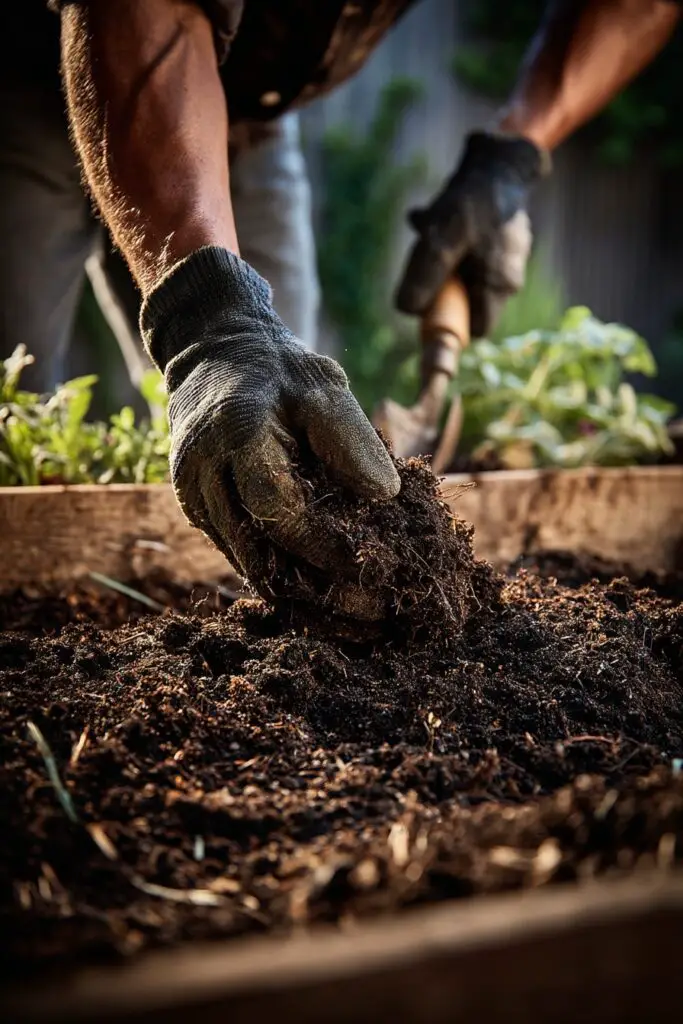
Healthy soil supports a thriving herb garden outdoor space.
Test and Improve Soil
Herbs prefer slightly loose, well-draining soil. Before planting:
- Remove weeds and debris
- Loosen soil 8–12 inches deep
- Mix in compost for nutrients
Avoid heavy fertilizers. Too much nitrogen can reduce flavor intensity in herbs.
Aim for Slightly Neutral pH
Most herbs grow best in soil with a pH between 6.0 and 7.0. A basic soil test kit can help you determine if adjustments are needed.
Proper preparation ensures your herb garden outdoor area starts strong.
Step 4: Choose Beginner-Friendly Herbs
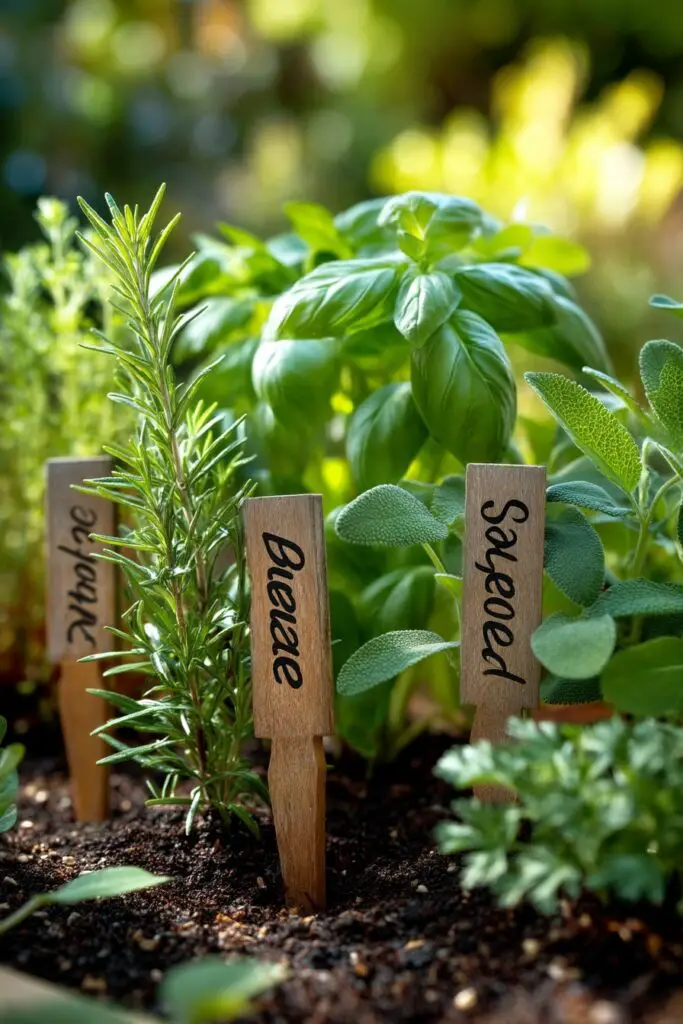
When starting a herb garden outdoor layout, focus on reliable, low-maintenance herbs.
Easy Annual Herbs
These grow for one season:
- Basil
- Cilantro
- Dill
They grow quickly and are perfect for beginners.
Hardy Perennial Herbs
These return year after year:
- Rosemary
- Thyme
- Sage
- Oregano
Plant perennials where they have room to expand. A well-planned herb garden outdoor design considers mature plant size.
Step 5: Plant with Proper Spacing
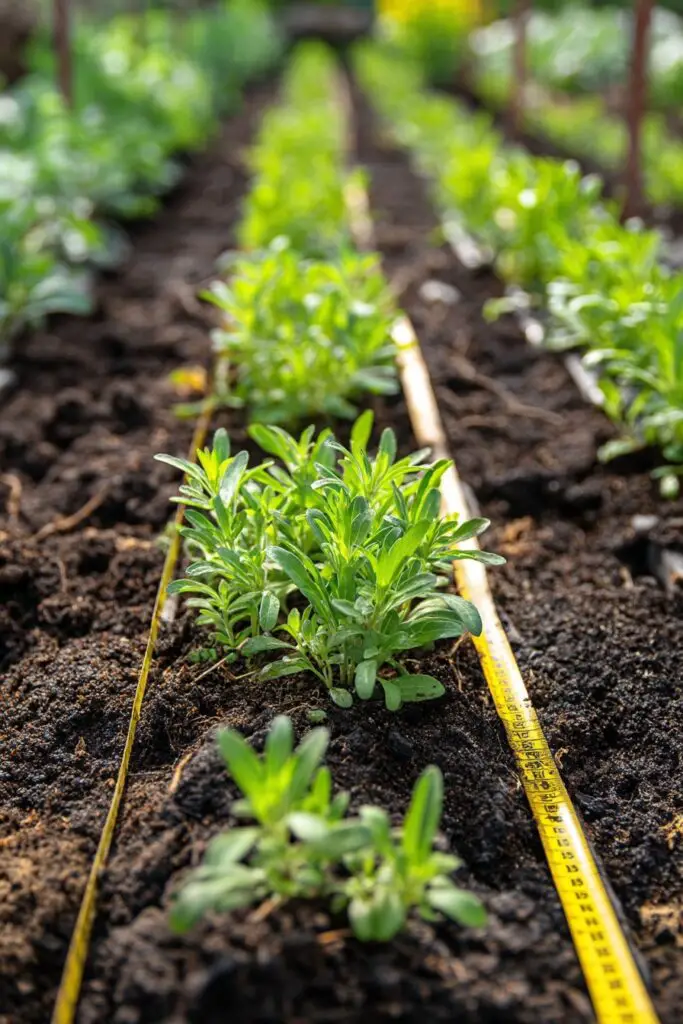
Overcrowding is a common mistake in a new herb garden outdoor space.
Each plant needs air circulation and root space.
General spacing guidelines:
- Small herbs: 6–8 inches apart
- Medium herbs: 12–18 inches apart
- Larger herbs: 18–24 inches apart
Crowded plants compete for nutrients and sunlight. Giving them room improves growth and reduces disease risk.
Step 6: Watering the Right Way
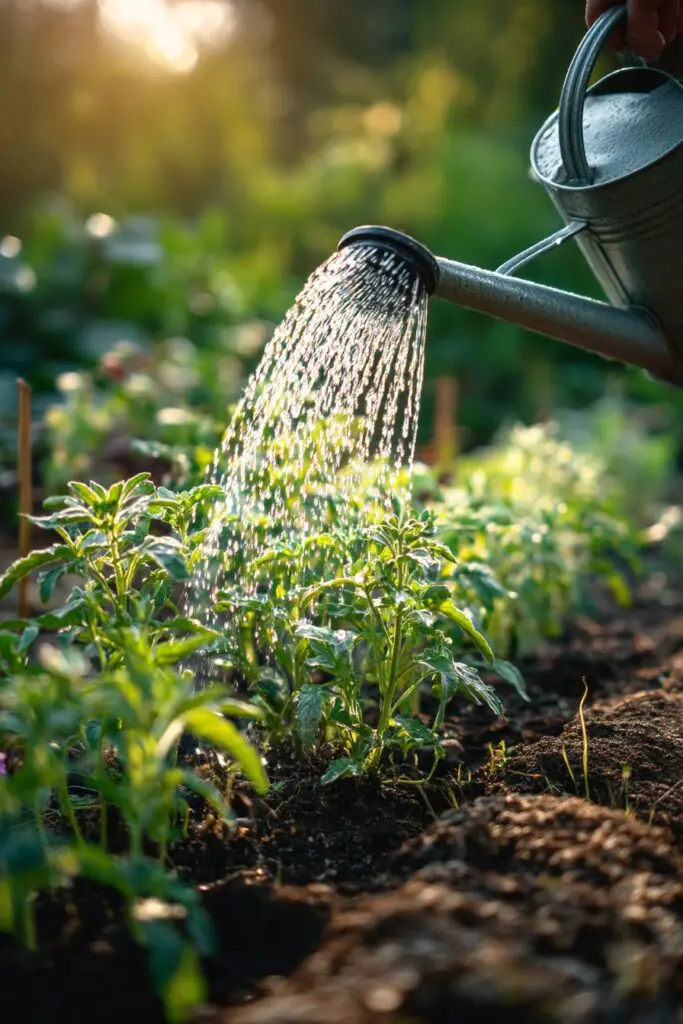
Watering habits can determine the success of your herb garden outdoor setup.
Water Deeply but Infrequently
Most herbs prefer soil that dries slightly between waterings.
Instead of daily light watering:
- Water thoroughly
- Allow topsoil to dry before watering again
Overwatering leads to weak roots and fungal problems.
Morning Is Best
Water early in the day so leaves dry before evening. This reduces the chance of disease.
A consistent watering routine keeps your herb garden outdoor plants healthy and productive.
Step 7: Mulch and Maintenance
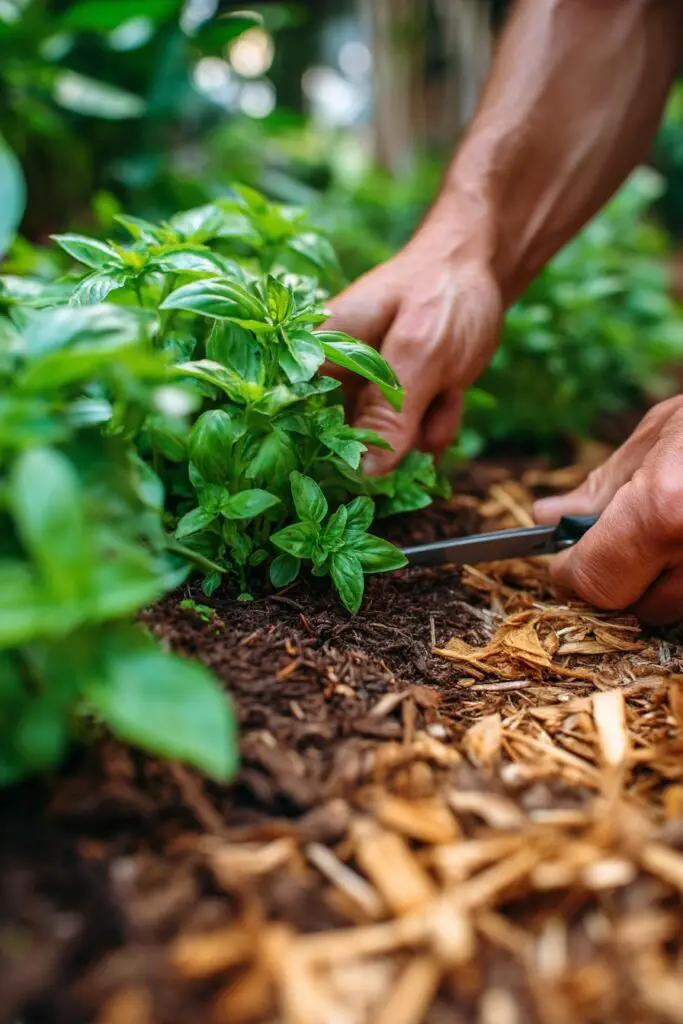
Mulching improves your herb garden outdoor results significantly.
Benefits of Mulch
- Retains soil moisture
- Suppresses weeds
- Regulates soil temperature
Use organic mulch such as straw, shredded bark, or compost. Keep mulch slightly away from plant stems to prevent rot.
Prune Regularly
Frequent harvesting encourages bushier growth.
For example:
- Pinch basil above leaf nodes
- Trim rosemary lightly to shape
- Cut parsley from the outer stems first
Regular trimming keeps your herb garden outdoor plants compact and productive.
Step 8: Protect Against Pests Naturally
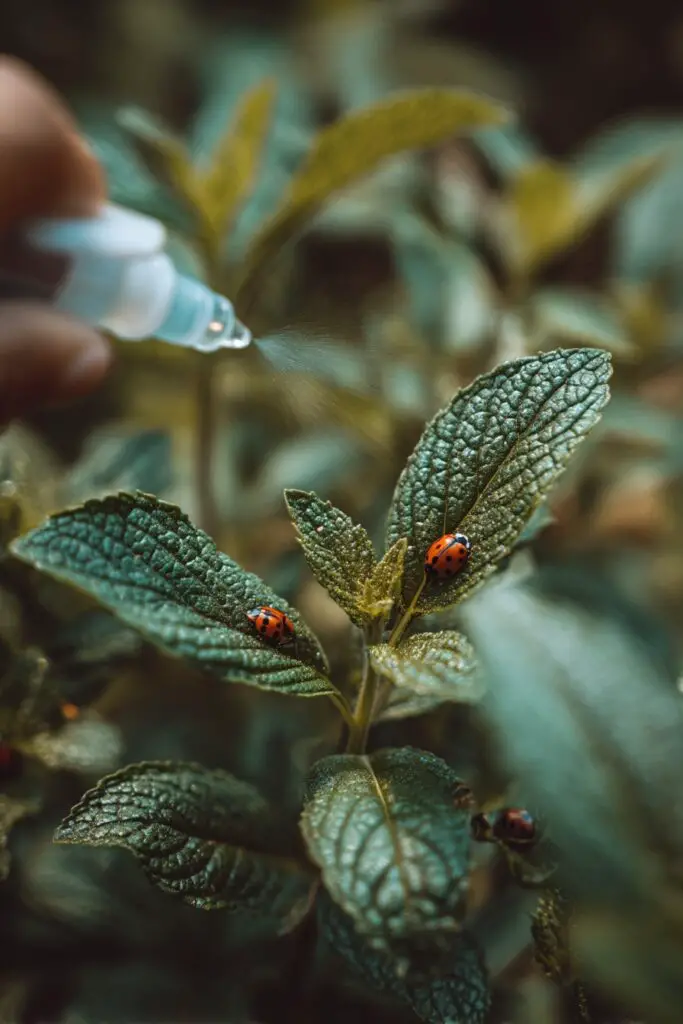
An herb garden outdoor space often attracts beneficial insects, but pests can still appear.
Common pests include:
- Aphids
- Spider mites
- Caterpillars
Natural solutions work best:
- Spray with diluted neem oil
- Rinse leaves with water
- Encourage ladybugs and pollinators
Avoid harsh chemicals, especially since herbs are harvested for cooking.
Seasonal Care Tips
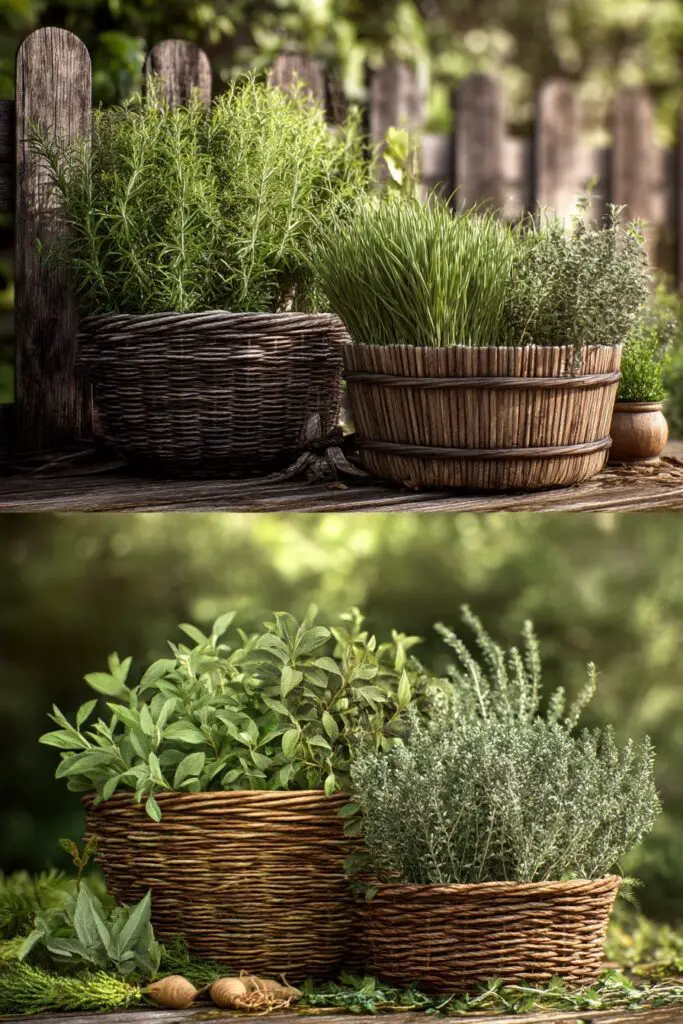
Your herb garden outdoor plan should adapt to seasonal changes.
Spring
- Plant after the last frost
- Feed lightly with compost
- Check spacing as plants grow
Summer
- Water consistently
- Harvest frequently
- Watch for heat stress
Fall
- Harvest remaining annual herbs
- Trim perennials lightly
- Add mulch before winter
Proper seasonal adjustments extend the life of your herb garden outdoor space.
Designing for Beauty and Function
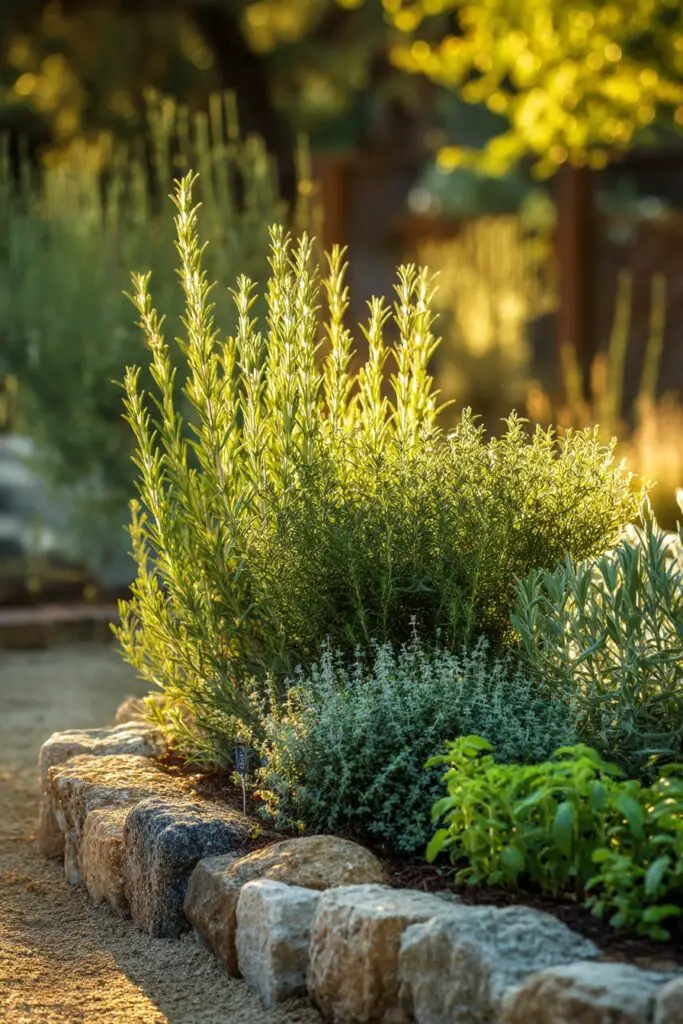
A herb garden outdoor layout can be both practical and attractive.
Consider:
- Arranging herbs by height
- Mixing textures and leaf colors
- Using decorative containers
- Creating defined garden borders
For example, tall rosemary at the back, medium sage in the middle, and low-growing thyme in front creates a layered look.
You can also integrate your herb garden outdoor area into existing landscaping.
Common Beginner Mistakes to Avoid
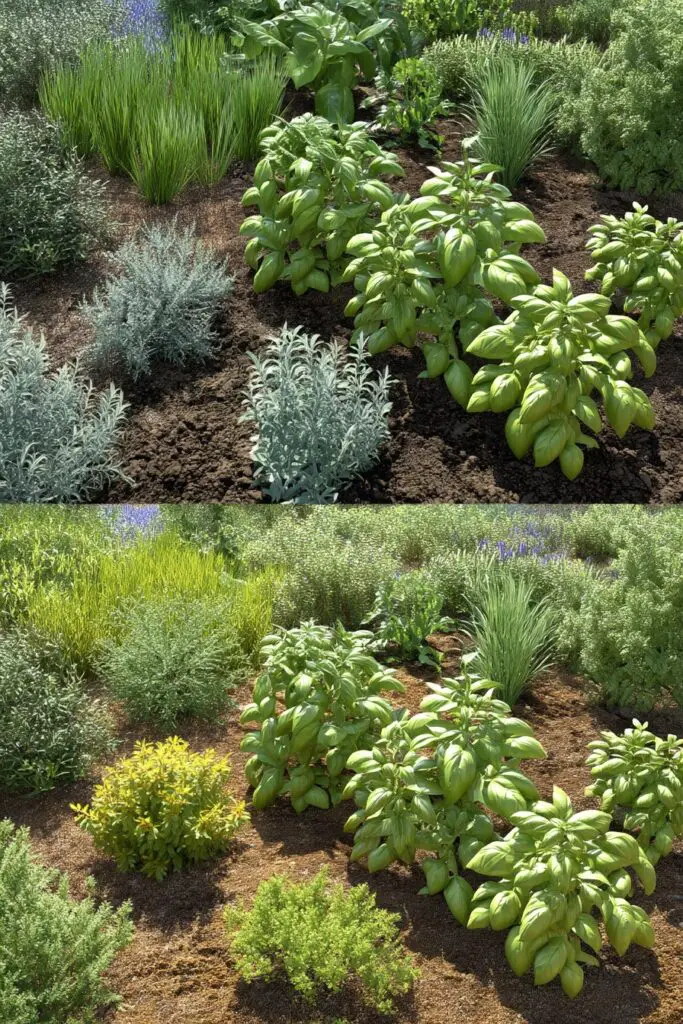
Even simple gardens can face setbacks.
Avoid these mistakes:
- Planting in too much shade
- Overwatering consistently
- Ignoring spacing needs
- Using heavy fertilizer
- Letting herbs flower too early
When herbs flower, flavor often declines. Regular trimming helps maintain taste and growth.
A little attention prevents most issues in a herb garden outdoor project.
Expanding Your Herb Garden Outdoor Over Time
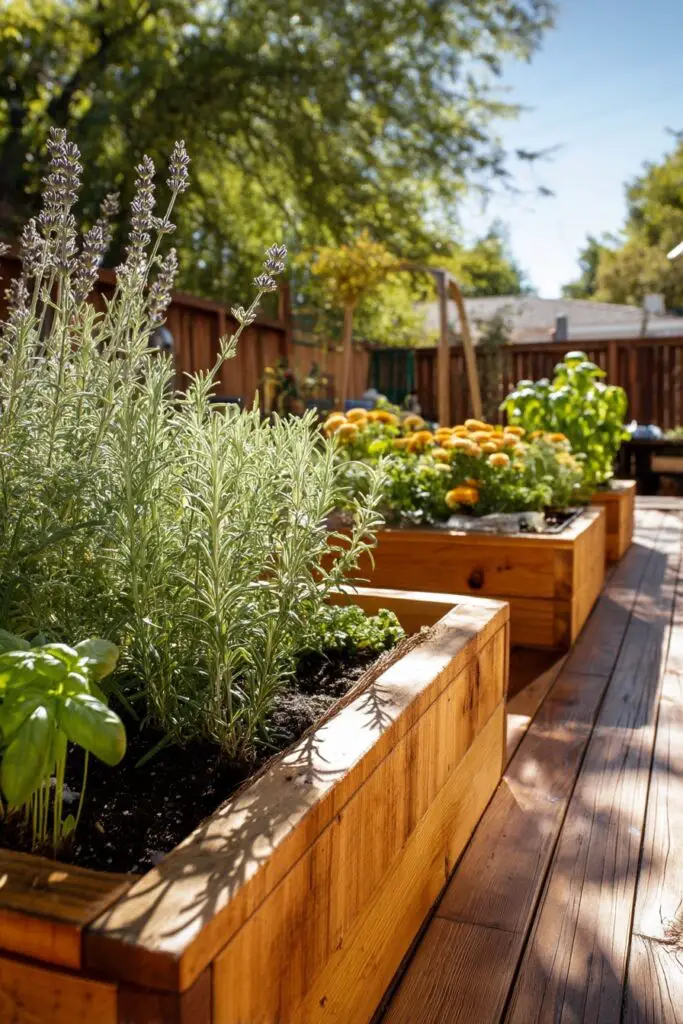
Once you gain confidence, you can expand your herb garden outdoor layout.
Add:
- Vertical planters
- Companion flowers to attract pollinators
- Additional perennial varieties
You might also dedicate sections to culinary herbs versus medicinal herbs.
Starting small allows you to understand how your space performs through different weather conditions.
Conclusion
A well-planned herb garden outdoor space provides fresh flavors, attractive greenery, and a practical introduction to gardening. By choosing the right location, preparing soil properly, selecting beginner-friendly herbs, and maintaining consistent care, you can build a thriving garden that returns value throughout the growing season.
With thoughtful design and simple maintenance, your herb garden outdoor project can become one of the most useful and enjoyable parts of your landscape.