
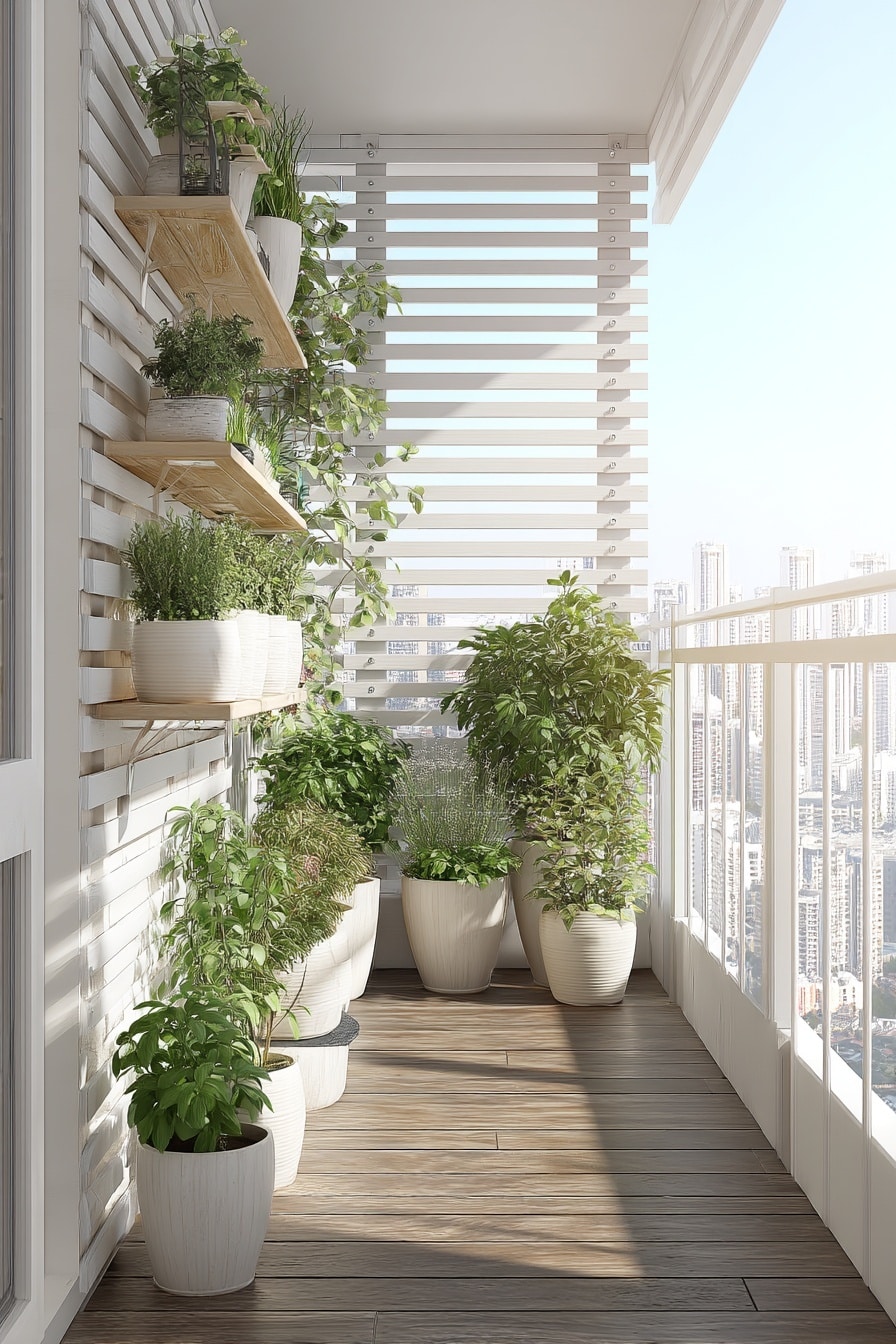
Balcony garden projects bring lush greenery and fresh produce to small outdoor spaces, even in urban apartments. With the right approach, you can turn a compact balcony into a thriving oasis of plants, flowers, and even vegetables.
A simple balcony garden setup lets you enjoy nature without needing a backyard. Whether you’re aiming for vibrant blooms or herbs for your kitchen, thoughtful planning and smart plant choices make all the difference.
In this article, you’ll learn practical tips to help your balcony garden flourish and stay healthy throughout the growing season.
Table of Contents
1. Evaluate Sunlight Before Planning Your Balcony Garden

Before buying plants or containers, study how sunlight moves across your space. Every successful balcony garden starts with understanding light exposure.
Spend a day observing:
- How many hours of direct sun the balcony receives
- Whether sunlight is strongest in the morning or afternoon
- Areas that remain shaded all day
This information determines what plants will thrive.
Match Plants to Light Conditions
If your balcony garden gets six or more hours of sun, you can grow:
- Tomatoes
- Peppers
- Petunias
- Lavender
For balconies with limited sunlight, choose:
- Ferns
- Begonias
- Impatiens
- Leafy greens
2. Choose the Right Containers for Your Balcony Garden
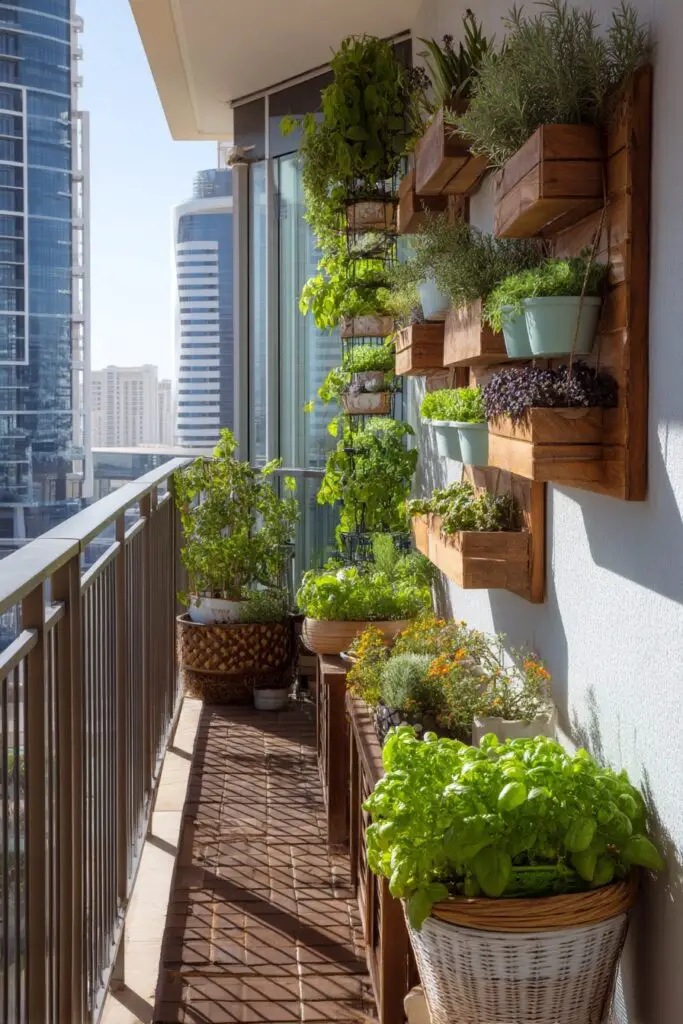
Containers play a major role in the health and appearance of your balcony garden. The right pots support root development, improve drainage, and help manage moisture levels in a limited space.
When selecting containers, consider:
- Drainage holes to prevent root rot
- Depth for larger plants like tomatoes
- Weight, especially for upper-floor balconies
- Material durability in changing weather
Lightweight containers are often best for a balcony garden, especially if weight restrictions apply.
Use Vertical and Hanging Options
Maximize limited floor space by thinking upward.
Great options include:
- Hanging baskets
- Wall-mounted planters
- Tiered plant stands
- Railing planters
Vertical solutions allow your balcony garden to feel lush without overcrowding the area. This setup also improves air circulation and keeps pathways clear.
3. Use High-Quality Soil and Proper Drainage
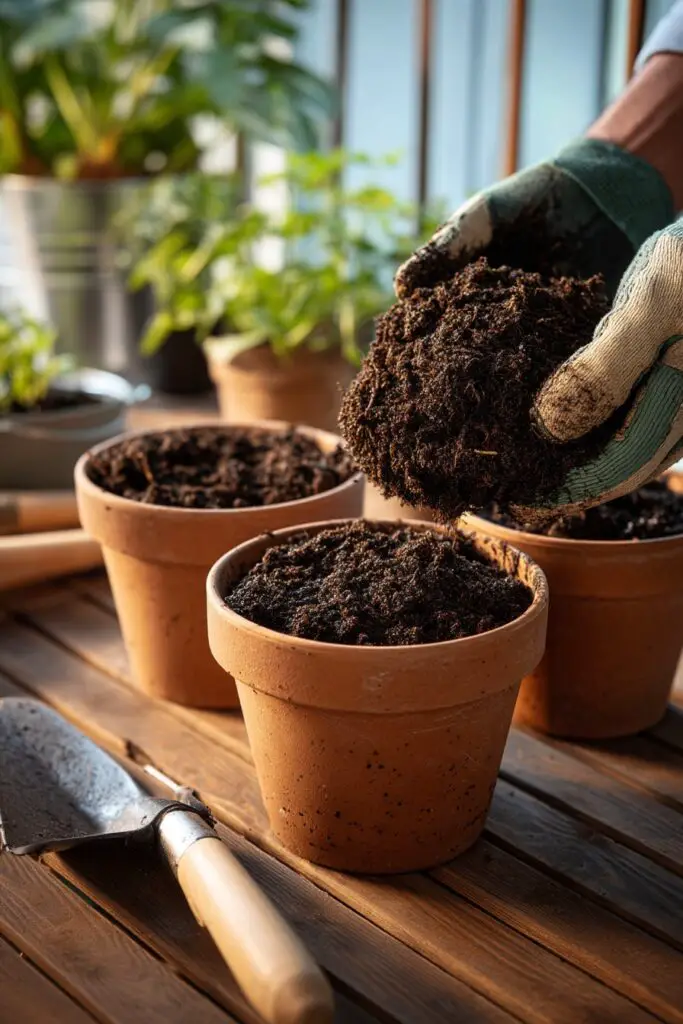
Healthy soil is the foundation of a thriving balcony garden. Unlike ground planting, containers rely entirely on the potting mix you provide. Poor soil quickly leads to weak growth and nutrient deficiencies.
Always use a premium potting mix rather than garden soil. Potting mixes are designed to:
- Retain moisture without becoming waterlogged
- Provide airflow to roots
- Drain excess water efficiently
A well-balanced mix keeps your balcony garden stable in fluctuating weather conditions.
Improve Drainage for Long-Term Success
Drainage is especially important in container gardening.
To protect your balcony garden:
- Ensure every container has drainage holes
- Elevate pots slightly off the floor
- Avoid letting water sit in saucers
Overwatering is one of the most common mistakes. Good drainage prevents root rot and keeps plants strong.
4. Select Plants That Suit Your Balcony Garden Conditions
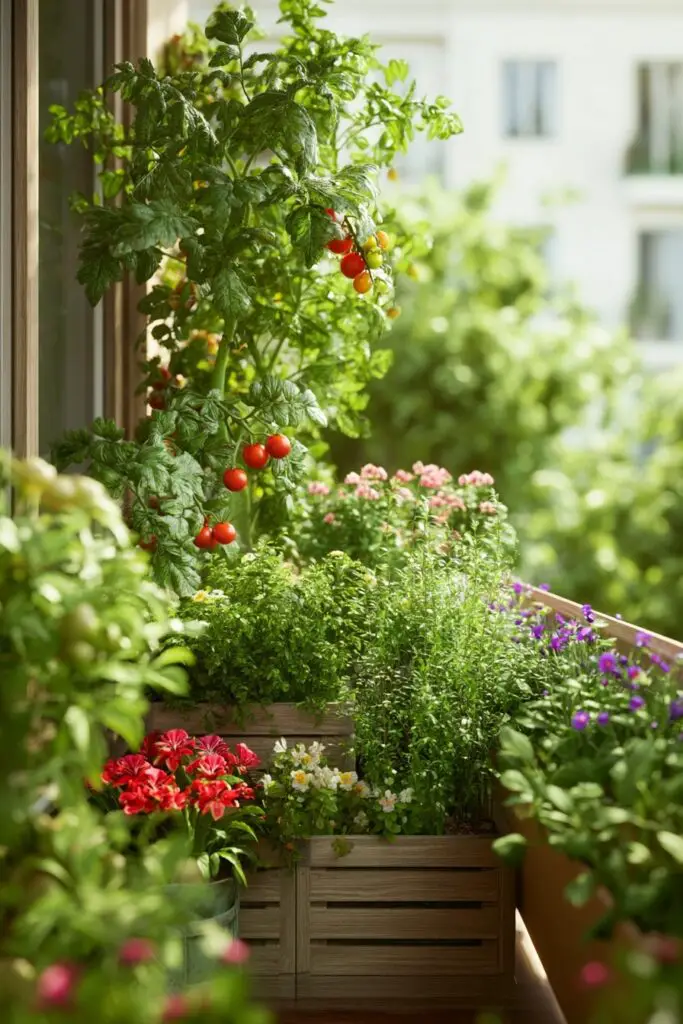
Choosing the right plants ensures your balcony garden remains healthy and manageable. Space, wind exposure, and climate all influence which varieties will perform best.
Start by considering:
- Available space
- Wind strength at your height level
- Seasonal temperature changes
- Maintenance time you can commit
A thoughtful plant selection prevents overcrowding and reduces stress on your balcony garden.
Mix Edibles and Ornamentals
You don’t have to choose between beauty and function. Many gardeners combine flowers with herbs and vegetables for a balanced display.
Popular choices include:
- Cherry tomatoes
- Basil and mint
- Strawberries
- Geraniums
- Compact roses
Blending textures and colors creates visual interest while keeping your balcony garden productive.
5. Water and Feed Your Balcony Garden Consistently
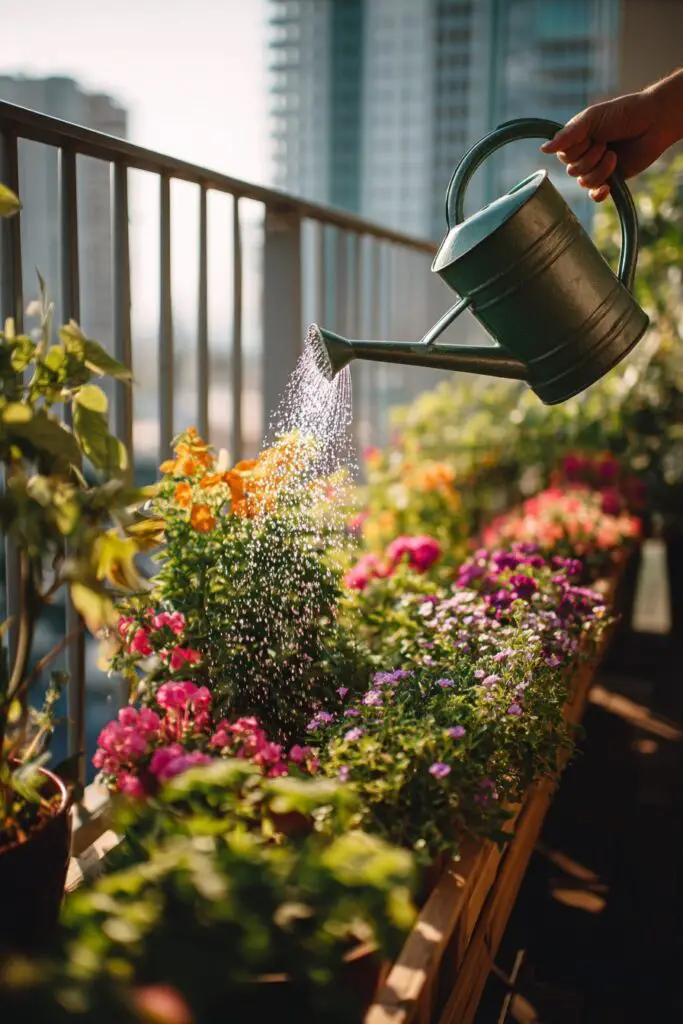
Because containers dry out faster than in-ground beds, a balcony garden requires regular attention. Wind and direct sun can quickly reduce soil moisture, especially in summer.
Check soil daily during warm weather. Insert your finger about an inch deep. If it feels dry, it’s time to water.
Water Deeply, Not Lightly
Shallow watering only moistens the top layer. For a healthy balcony garden:
- Water until it drains from the bottom
- Avoid letting pots sit in standing water
- Water early in the morning when possible
Deep watering encourages strong root systems.
Provide Ongoing Nutrition
Nutrients wash out of containers over time. Feed your balcony garden every two to three weeks with a balanced liquid fertilizer.
For flowering plants, a bloom-supporting formula can improve color and performance.
6. Protect Your Balcony Garden From Wind and Weather
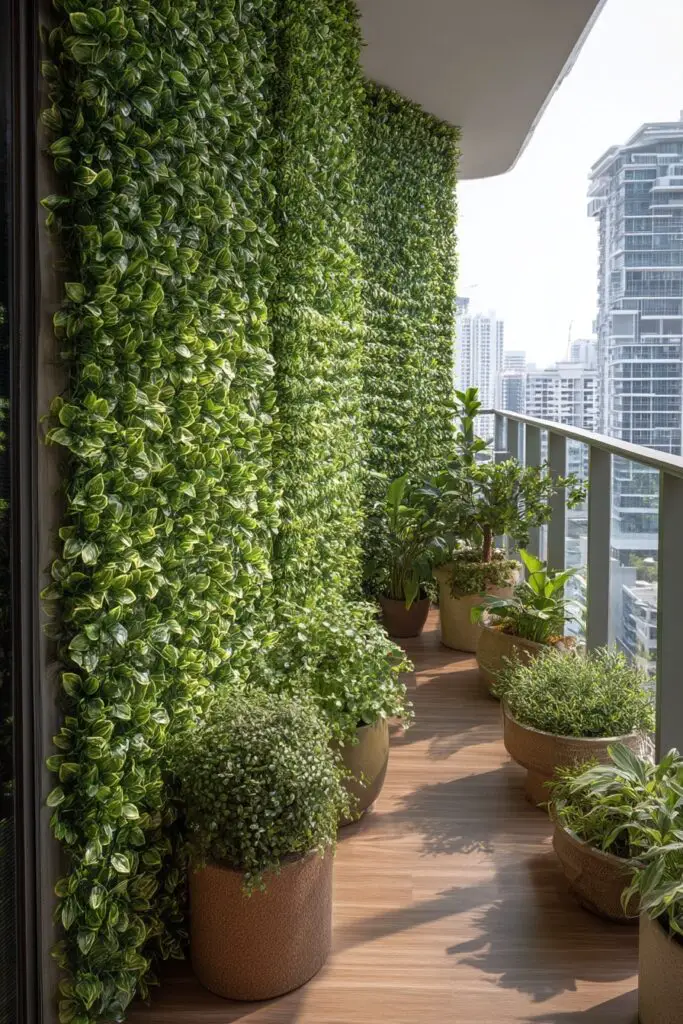
Wind exposure is often overlooked when planning a balcony garden, especially in high-rise buildings. Strong gusts can dry soil quickly, damage stems, and even knock over containers.
Take time to evaluate how wind moves across your space.
Create Shelter When Needed
To protect your balcony garden, consider:
- Installing a privacy screen or wind barrier
- Grouping pots together for stability
- Using heavier containers for tall plants
- Securing lightweight planters to railings
Strategic placement reduces plant stress and prevents breakage.
Rotate Plants Seasonally
Weather conditions shift throughout the year. Moving containers allows your balcony garden to adapt to changing sun angles and temperature swings.
In cooler months, cluster plants closer to walls for added warmth. During extreme heat, shift sensitive plants into partial shade.
A flexible layout helps your balcony garden stay productive and healthy year-round.
Conclusion
A well-planned balcony garden can transform even the smallest outdoor space into a thriving green retreat. By evaluating sunlight, choosing proper containers, using quality soil, selecting suitable plants, maintaining consistent watering, and protecting against wind, you create a foundation for long-term success.
With thoughtful care and regular maintenance, your balcony garden can flourish season after season, bringing color, fragrance, and fresh harvests right outside your door.