
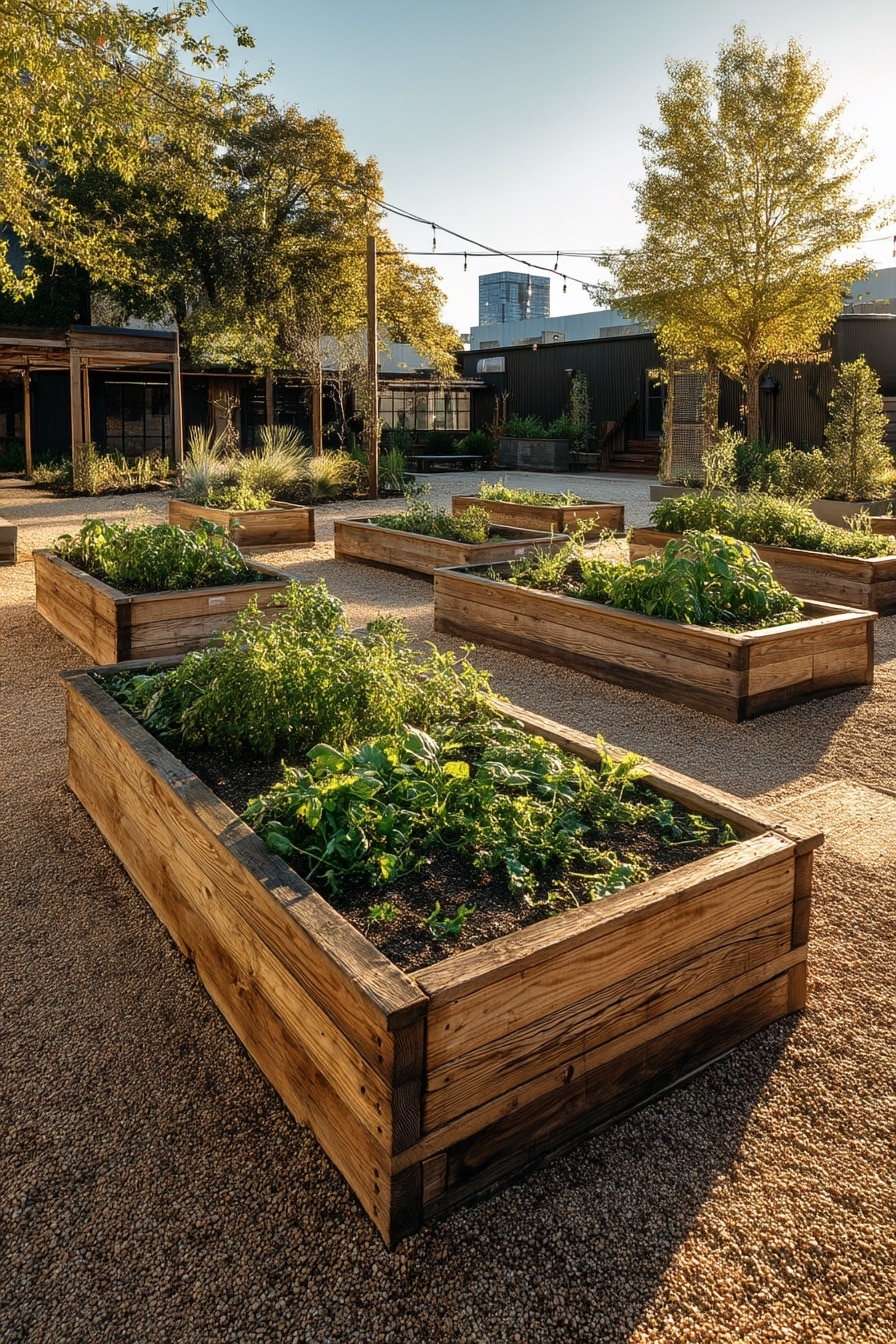
Raised garden beds are one of the most effective ways to improve plant health, simplify maintenance, and increase harvest yields in any backyard. Whether you’re growing vegetables, herbs, or flowers, raised garden beds create a controlled growing environment that supports stronger roots and healthier soil.
Many home gardeners choose raised garden beds because they solve common problems like poor drainage, compacted soil, and weed invasion. They also make gardening more accessible and visually structured.
In this guide, you’ll learn the six key benefits of raised garden beds and why they continue to grow in popularity among beginner and experienced gardeners alike.
Table of Contents
1. Improved Soil Quality

One of the biggest advantages of raised garden beds is complete control over your soil. Instead of struggling with compacted, rocky, or nutrient-poor ground, you can build a rich growing mix from the start.
With raised garden beds, you choose what goes inside. A balanced blend often includes:
- High-quality topsoil
- Compost for nutrients
- Organic matter for structure
- Sand or perlite for drainage
This custom mix creates loose, fertile soil that encourages deep root growth. Plants establish faster and produce stronger stems and leaves.
Raised garden beds also reduce soil compaction. Because you don’t step directly on the growing area, the soil stays airy and well-structured. Healthy soil structure improves water retention while still allowing excess moisture to drain away.
Over time, it’s also easier to refresh soil in raised garden beds. Simply add compost each season to maintain fertility and microbial activity.
Better soil leads to healthier plants—and raised garden beds make that easier to achieve.
2. Better Drainage
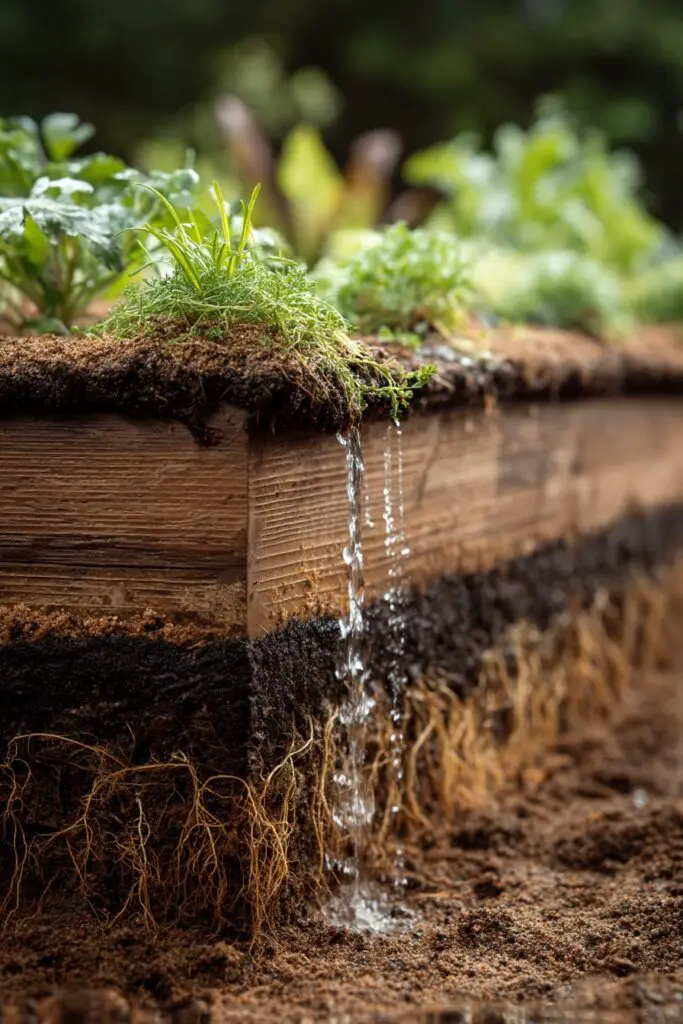
Another major benefit of raised garden beds is improved drainage. Poor drainage is one of the most common causes of plant failure, leading to root rot and weak growth.
Because raised garden beds sit above ground level, excess water drains more efficiently. Gravity naturally pulls water downward, preventing roots from sitting in soggy soil for long periods.
This is especially helpful if your native soil is heavy clay. Clay tends to hold water and compact easily, making it difficult for roots to breathe. Raised garden beds solve this problem by allowing you to create a lighter, well-draining soil mix.
Better drainage also means:
- Faster soil warming in spring
- Reduced fungal diseases
- Healthier root systems
- More consistent plant growth
Even after heavy rainfall, raised garden beds dry out more evenly than traditional in-ground plots.
By improving drainage, raised garden beds create a more stable growing environment that supports steady, reliable plant development.
3. Fewer Weeds and Easier Maintenance
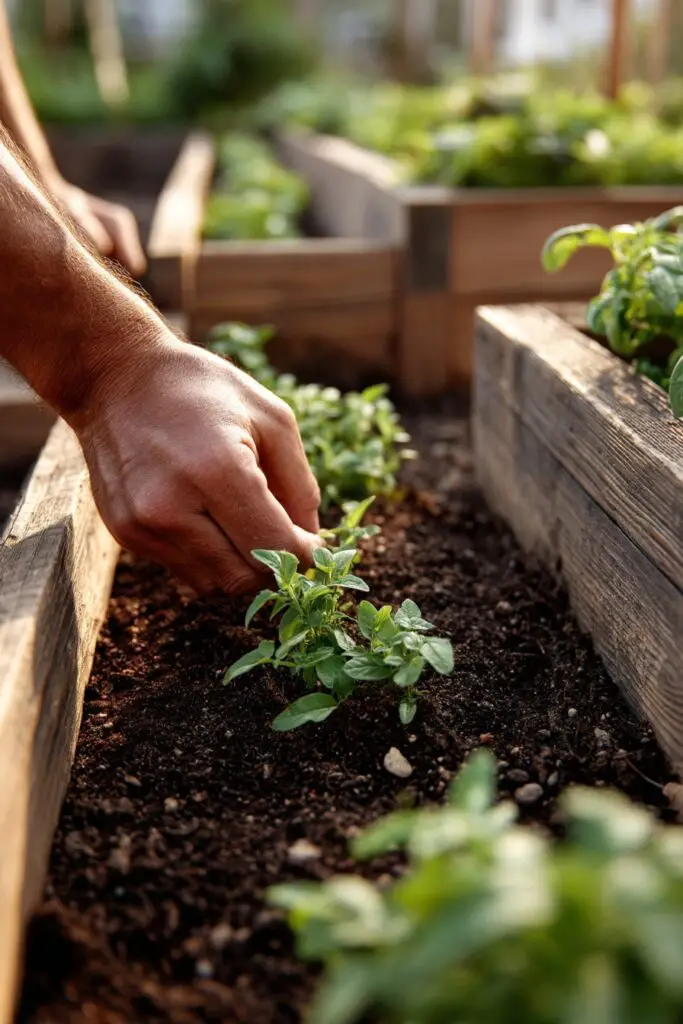
Raised garden beds naturally reduce weed pressure, making your gardening routine far more manageable. Since you fill raised garden beds with fresh, clean soil, there are fewer dormant weed seeds compared to traditional ground plots.
The defined borders of raised garden beds also act as a barrier. Grass and invasive plants are less likely to creep into your growing space. This clear separation keeps your planting area organized and easier to control.
Maintenance becomes simpler because:
- You can install landscape fabric at the base
- Mulch stays contained within the bed
- Weeds are easier to spot and remove early
Raised garden beds also reduce bending and kneeling. The elevated height allows for more comfortable planting, watering, and harvesting. For gardeners with back or joint concerns, this can make a significant difference.
With fewer weeds and improved accessibility, raised garden beds help you spend more time growing and less time maintaining.
4. Longer Growing Season
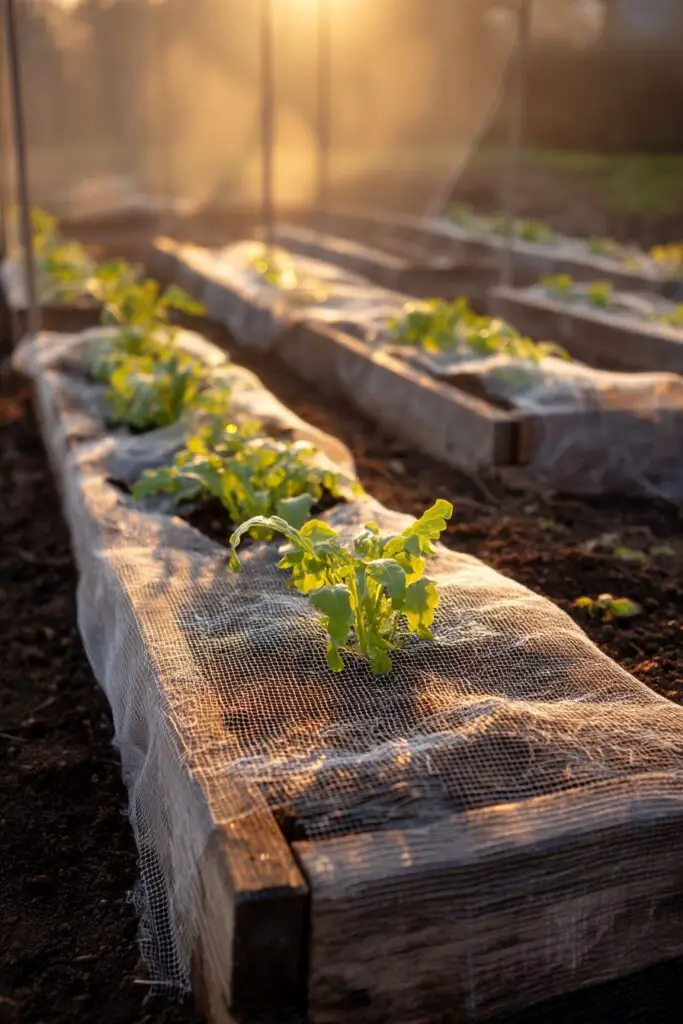
Raised garden beds warm up faster in spring, giving you an earlier start on planting. Because the soil sits above ground level, it absorbs heat more quickly than traditional in-ground plots.
This faster warming allows seeds to germinate sooner. Gardeners using raised garden beds can often plant weeks earlier than those working with cold, compacted soil.
The benefits continue throughout the year. Raised garden beds:
- Drain excess rain more efficiently
- Prevent soil from staying cold and waterlogged
- Maintain better soil structure in fluctuating temperatures
In cooler climates, adding row covers or hoops over raised garden beds can extend the growing season even further. The contained structure makes it easier to protect plants from frost.
By improving soil temperature and drainage, raised garden beds create a more stable environment that supports longer, more productive harvest periods.
5. Higher Yields in Less Space
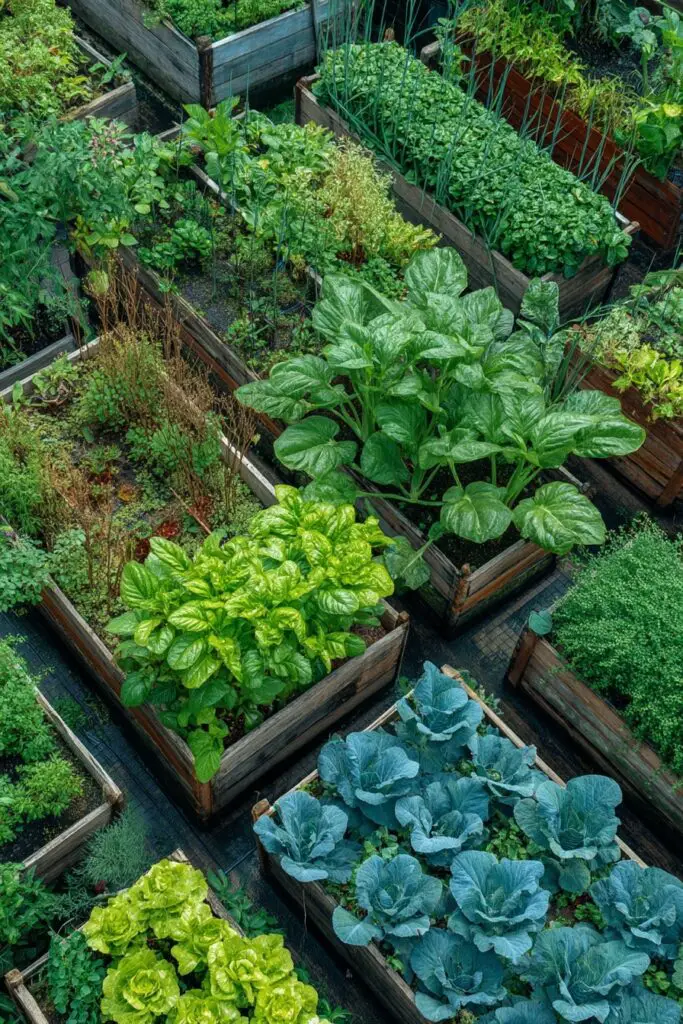
Raised garden beds allow for more efficient planting, which often leads to higher yields. Because the soil is loose and nutrient-rich, plant roots grow deeper and spread more freely. Strong roots support healthier foliage and increased production.
In raised garden beds, you can also space plants more intensively. Without wide walking paths between rows, every inch of growing space is used effectively.
This method offers several advantages:
- Closer spacing reduces weed growth
- Leaves shade the soil, helping retain moisture
- Companion planting becomes easier to manage
Raised garden beds are especially useful in small backyards or urban spaces. Even a compact area can produce a steady supply of vegetables, herbs, or flowers when planned properly.
With proper soil preparation and smart spacing, raised garden beds help maximize productivity while keeping your garden neat and organized.
6. Improved Garden Organization and Appearance
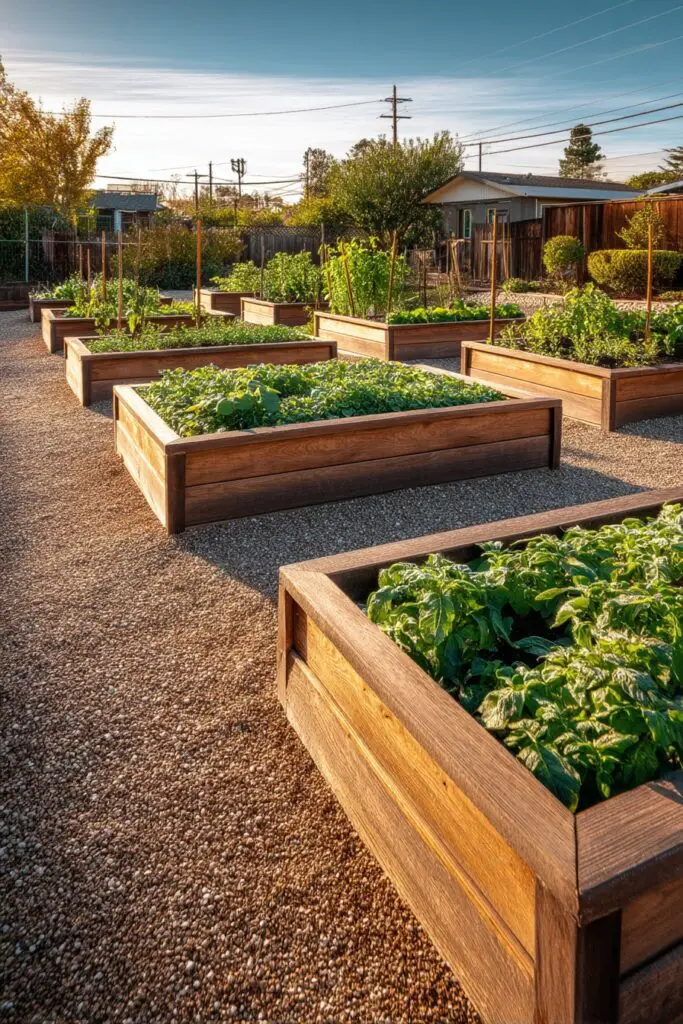
Raised garden beds bring structure and order to any outdoor space. Their defined borders create clear planting zones, which makes planning and crop rotation much easier.
Instead of scattered rows across uneven ground, raised garden beds provide a tidy layout. This organized appearance enhances both functionality and visual appeal.
With raised garden beds, you can:
- Separate vegetables, herbs, and flowers
- Rotate crops efficiently each season
- Install pathways between beds
- Add trellises or protective covers with ease
The structured design also makes irrigation systems easier to manage. Drip lines and soaker hoses fit neatly within raised garden beds, improving water efficiency.
Beyond practicality, raised garden beds add a polished look to your garden. Whether built from wood, stone, or metal, they create clean lines that blend beautifully with modern or traditional landscapes.
Well-designed raised garden beds turn a simple backyard into a productive and attractive growing space.
Conclusion
Raised garden beds offer practical advantages that improve soil quality, drainage, plant health, and overall productivity. They reduce weeds, extend the growing season, and create a more organized layout.
Whether you’re gardening in a small yard or upgrading an existing space, raised garden beds provide a reliable and efficient way to grow stronger, healthier plants with less effort.