
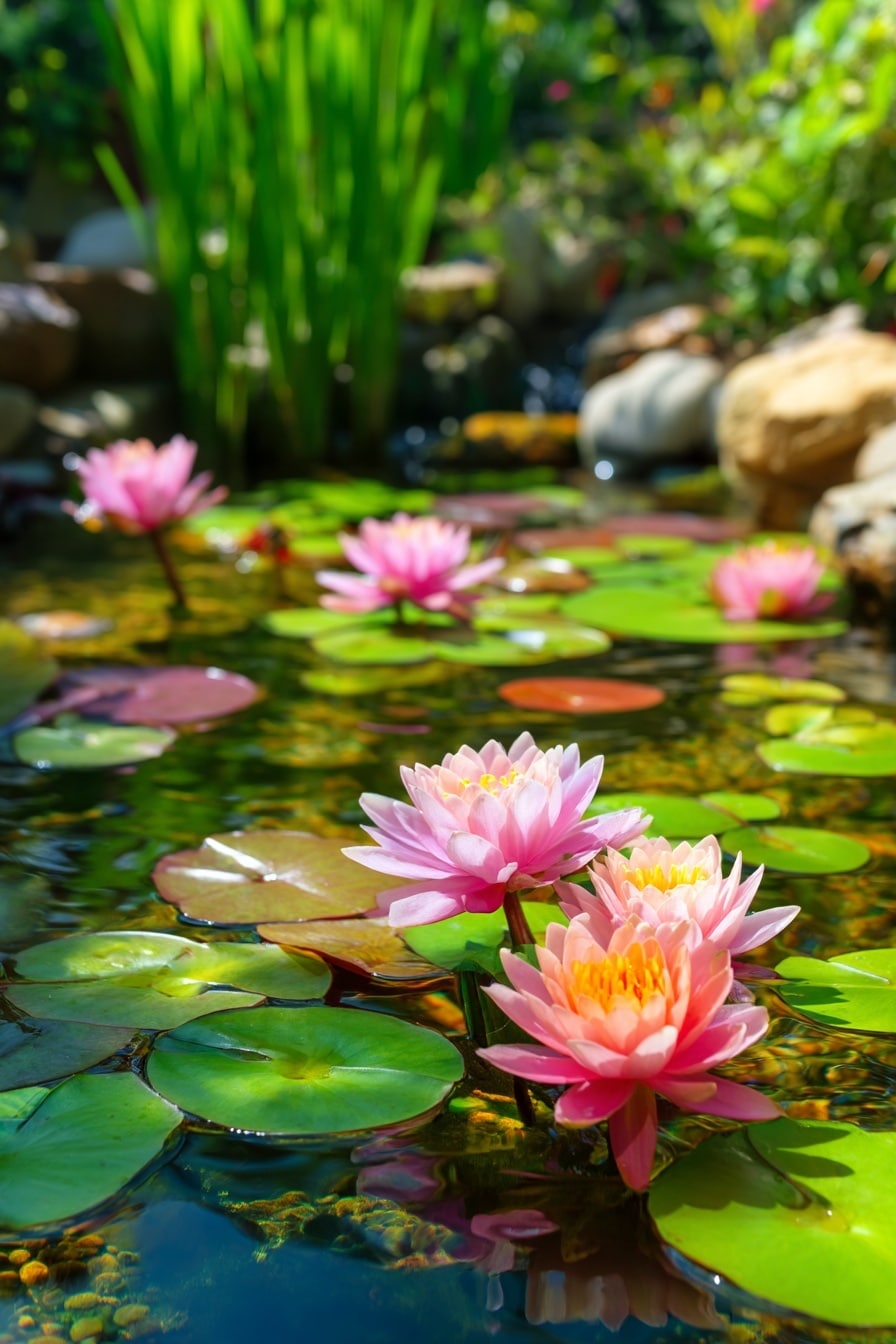
lotus flower has captivated gardeners, artists, and spiritual seekers for centuries, not only for its delicate beauty but also for its deep symbolic meaning. This remarkable aquatic plant rises from muddy waters to reveal pristine blooms, embodying purity, resilience, and spiritual growth in gardens and cultural traditions alike. From lush ponds to serene water features, the lotus flower brings elegance and significance to any landscape. In this article, we’ll explore its symbolism, botanical traits, cultural importance, and tips for growing this stunning flower in your garden.
Table of Contents
Symbolism and Meaning of the Lotus Flower

The lotus flower carries powerful symbolism across cultures and religions, making it much more than a decorative plant. Its ability to emerge untainted from muddy waters has made it a universal emblem of purity, enlightenment, and renewal.
Cultural Interpretations:
- In Buddhism: The lotus symbolizes spiritual awakening. Its growth reflects the journey from suffering to enlightenment. White lotus represents purity, while pink is often linked to the Buddha himself.
- In Hinduism: It is associated with divine beauty and fertility. Deities like Lakshmi and Brahma are often depicted seated on lotus blooms.
- In Egyptian mythology: The lotus symbolizes rebirth and the sun, as the flower opens during the day and closes at night.
- In Chinese culture: The lotus is admired for rising clean from murky water, representing integrity, inner strength, and harmony.
Because of this deep symbolism, the lotus is frequently seen in religious art, meditation spaces, and symbolic gardens.
Botanical Characteristics of the Lotus Flower
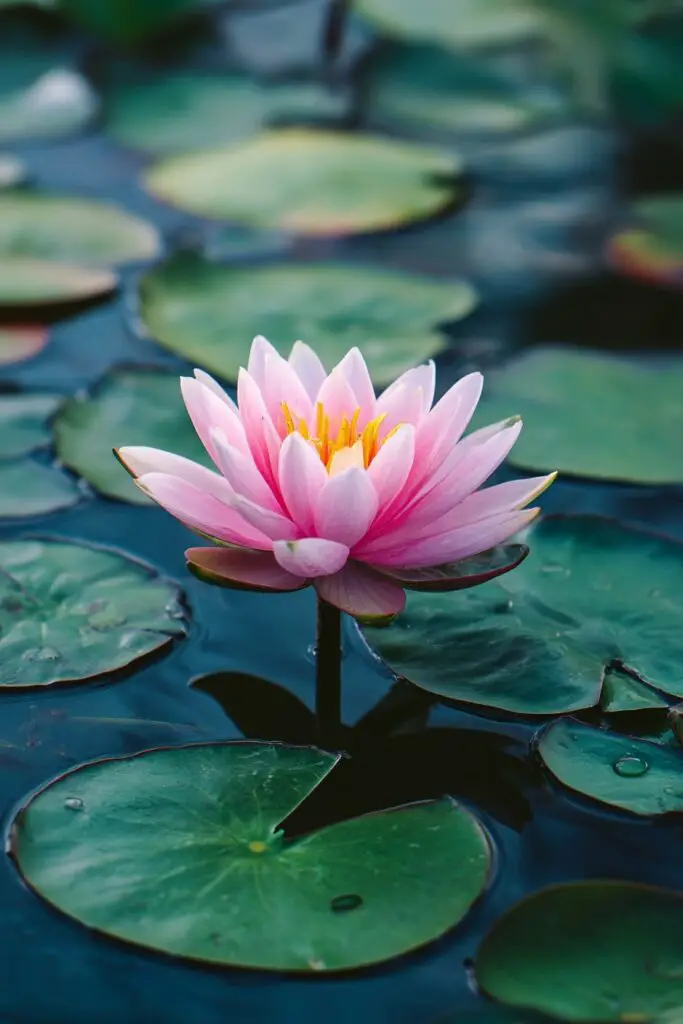
Understanding the unique features of the lotus flower helps appreciate its resilience and charm in both natural and cultivated settings. Native to Asia and parts of Australia, the lotus thrives in shallow, still water bodies like ponds and marshes.
Key traits include:
- Scientific name: Nelumbo nucifera (also known as Indian or sacred lotus)
- Leaves: Large, round, and water-repellent—often rising above the water surface
- Flowers: Broad, symmetrical petals in shades of white, pink, and occasionally yellow; blooms open during the day and close at night
- Root system: Thick rhizomes that anchor into the pond bed and support new shoots
- Growth pattern: Perennial, with the ability to go dormant in winter and re-emerge each spring
Lotus plants require warm temperatures, plenty of sunlight, and undisturbed water. Their floating beauty and structural elegance make them ideal for ornamental water gardens and reflective landscaping.
Lotus Flower in Art and Culture
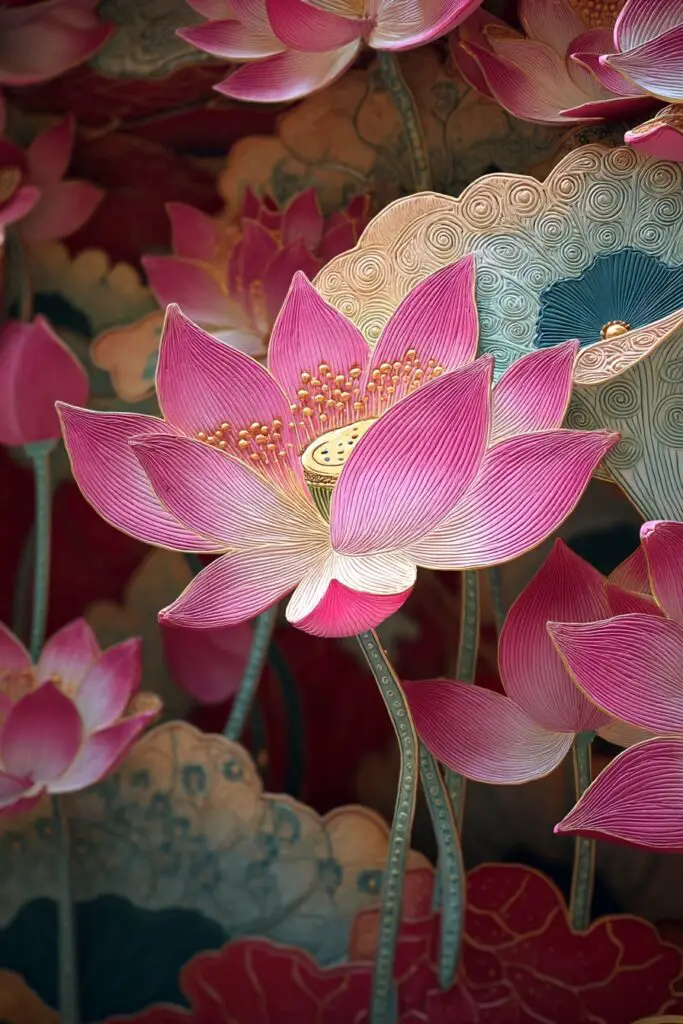
The lotus flower has long inspired artists, poets, and designers due to its graceful form and spiritual associations. Its presence in visual arts, architecture, and literature reflects both its physical elegance and deeper meaning.
In Art:
- Lotus motifs appear in ancient temples, scroll paintings, and mosaics throughout Asia, Egypt, and Greece.
- The symmetrical petals and floating leaves lend themselves to decorative borders, mandalas, and symbolic illustrations.
- Contemporary artists often use the lotus to symbolize resilience, growth, and feminine beauty.
In Architecture:
- The Lotus Temple in New Delhi is shaped like a blooming lotus, symbolizing unity and purity across religions.
- Lotus designs adorn pillars, fountains, and tiles in gardens and sacred spaces.
In Fashion and Decor:
- Lotus prints are common in fabrics, wallpapers, and jewelry.
- The flower’s form is echoed in lighting fixtures, garden sculptures, and spa aesthetics.
The lotus is not just admired—it’s integrated into everyday life, symbolizing beauty that rises above.
How to Grow Lotus Flower in Your Garden
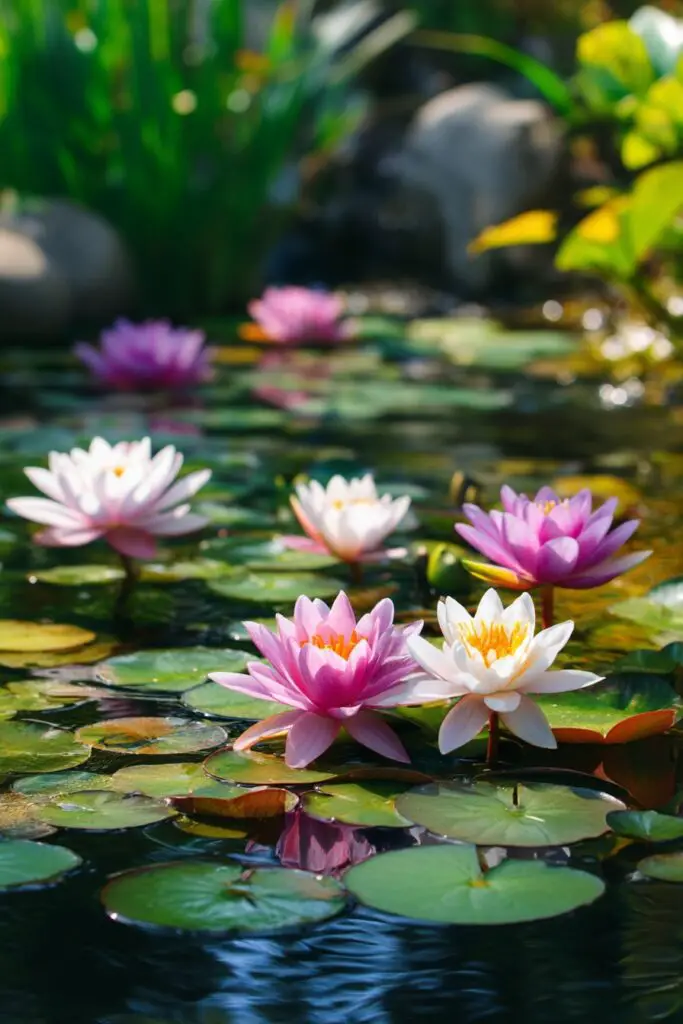
Bringing the lotus flower into your home garden can create a tranquil, eye-catching centerpiece—especially in a pond, water bowl, or decorative container. While they may look exotic, lotus plants are surprisingly hardy when given the right conditions.
Basic Growing Requirements:
- Sunlight: At least 6 hours of direct sunlight per day.
- Water: Still, shallow water is best. Avoid fast-moving currents or deep ponds.
- Planting: Use wide containers with heavy garden soil (not potting mix). Submerge the rhizomes horizontally, covering lightly with soil.
- Temperature: Lotus prefers warm climates. In colder regions, they can be overwintered indoors or in deep water where roots won’t freeze.
Tips for Success:
- Start planting in late spring or early summer.
- Fertilize monthly during the growing season with aquatic plant fertilizer.
- Prune old leaves and spent blooms to encourage new growth.
- Be patient—lotus may take one full season before blooming.
With proper care, lotus flowers will return each year, adding grace and symbolism to your garden space.
Conclusion
The lotus flower stands as a timeless symbol of beauty, strength, and spiritual depth. Whether admired in ancient temples, modern art, or blooming gently in a backyard pond, its presence evokes serenity and inspiration. By understanding its symbolism, botanical traits, and growing needs, you can bring this meaningful bloom into your own garden—creating a space that reflects both natural elegance and inner peace.