
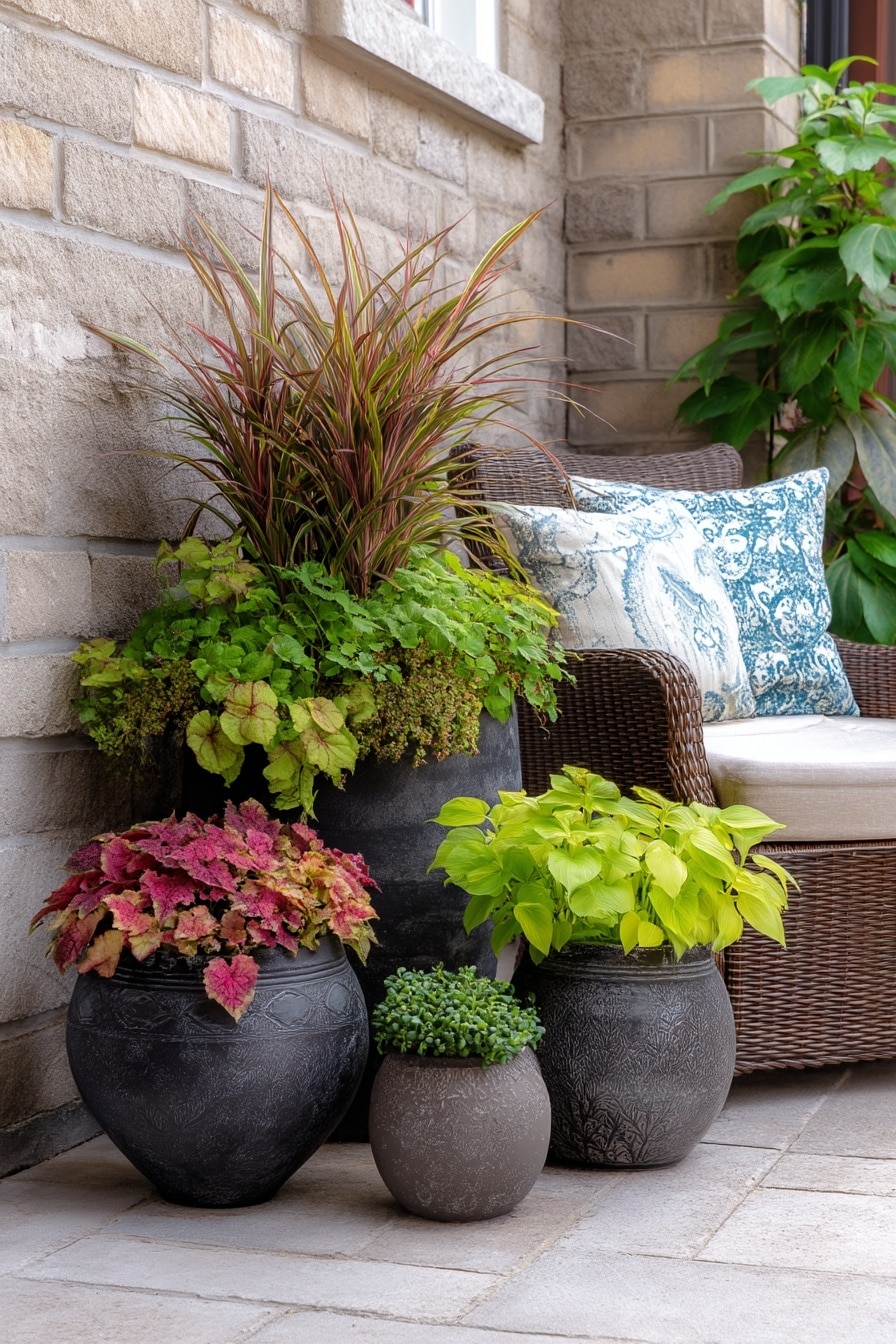
Container gardening is the perfect way to bring the beauty of plants into any space—no backyard required. Whether you’re working with a balcony, patio, porch, or even a windowsill, containers open the door to creative and compact growing. It’s an ideal solution for beginners, renters, or anyone craving a bit of green without digging into the ground.
What makes container gardening especially appealing is its flexibility. You can grow flowers, herbs, vegetables, or a mix of all three. With the right setup, your space can bloom beautifully—and functionally—season after season.
Table of Contents
Choose the Right Containers for Success

The foundation of every great container gardening setup starts with, well—the container. While almost anything can be turned into a planter, some choices work better than others when it comes to plant health and longevity.
Key Features to Look For:
- Drainage Holes: Crucial to prevent waterlogging and root rot.
- Material Matters:
- Terracotta: Breathable but dries out quickly.
- Plastic: Lightweight and retains moisture well.
- Wood: Natural look, but may rot over time.
- Metal: Stylish but can heat up quickly in the sun.
Size matters too. Small pots dry out fast and limit root space, while larger containers hold more soil and moisture, reducing how often you need to water.
Pro Tip: If your favorite pot doesn’t have drainage holes, consider drilling some or placing a nursery pot inside to keep plants healthy.
Pick the Best Plants for Container Gardening
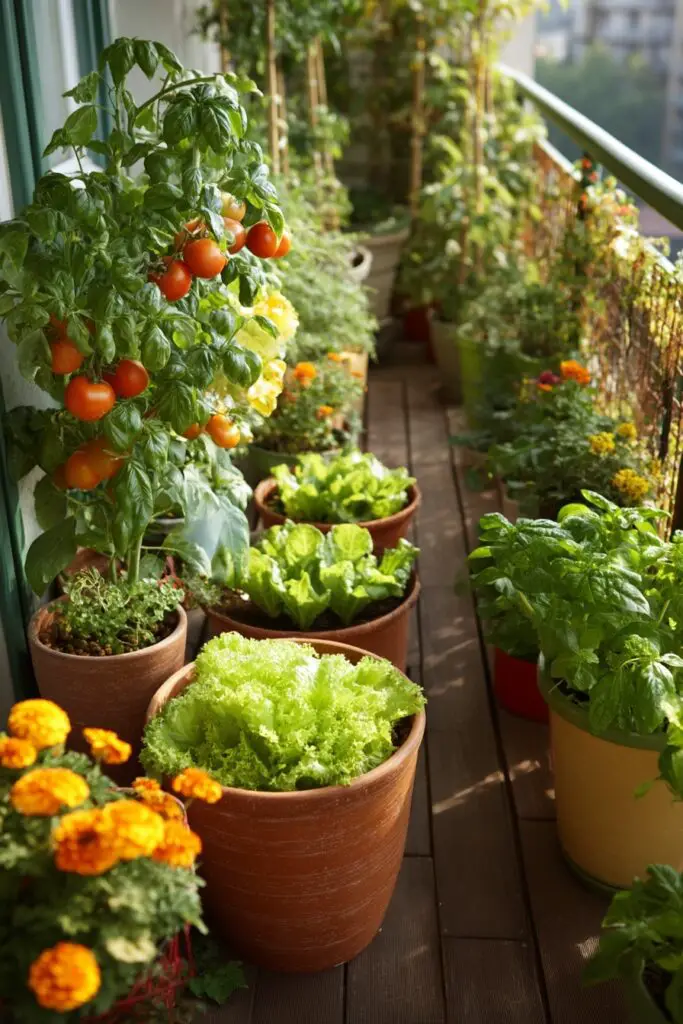
Not every plant thrives in pots, but many are perfectly suited to container gardening. The key is choosing varieties that match your light conditions and container size.
Great Options for Sun-Loving Containers:
- Tomatoes – Choose compact or determinate varieties like ‘Patio Princess’.
- Basil – Grows quickly and thrives with regular harvesting.
- Petunias and Marigolds – Bright, cheerful blooms that handle full sun.
Ideal for Shadier Spaces:
- Lettuce and Spinach – Cool-weather greens that don’t need full sun.
- Ferns – Add texture and greenery in low-light corners.
- Begonias – Colorful flowers that bloom in partial shade.
Herbs, compact vegetables, and trailing flowers also work well in containers, offering beauty and utility in one. Mix tall plants with ground covers or trailing vines for a lush, layered look.
Keep plant growth habits in mind: don’t overcrowd pots. Each plant needs breathing room for roots to grow and air to circulate.
Get Your Soil, Watering, and Feeding Right
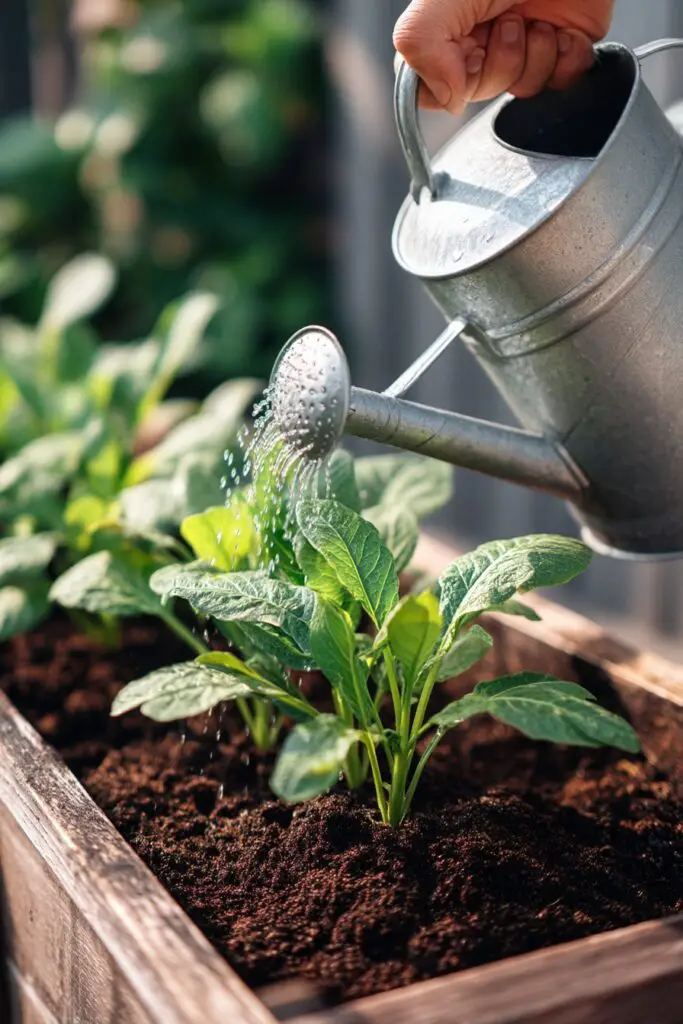
The success of container gardening depends heavily on what’s happening below the surface. Unlike in-ground beds, containers rely entirely on you to deliver the right nutrients, moisture, and drainage.
Soil
- Always use high-quality potting mix, not garden soil—it’s lighter, drains better, and supports healthy root growth.
- Look for mixes with peat moss, perlite, or coconut coir to retain moisture without becoming soggy.
Watering
- Containers dry out faster than garden beds—especially in hot weather.
- Water early in the morning and check daily in summer.
- A good rule: water when the top inch of soil feels dry.
- Self-watering planters are helpful for busy schedules.
Fertilizer
- Frequent watering leaches nutrients from soil, so regular feeding is key.
- Use a balanced liquid fertilizer every 2–3 weeks during the growing season.
- Consider slow-release fertilizers for consistent feeding.
Consistent care ensures lush foliage, vibrant flowers, and tasty herbs or veggies—making your container gardening efforts truly pay off.
Creative Container Gardening Design Ideas
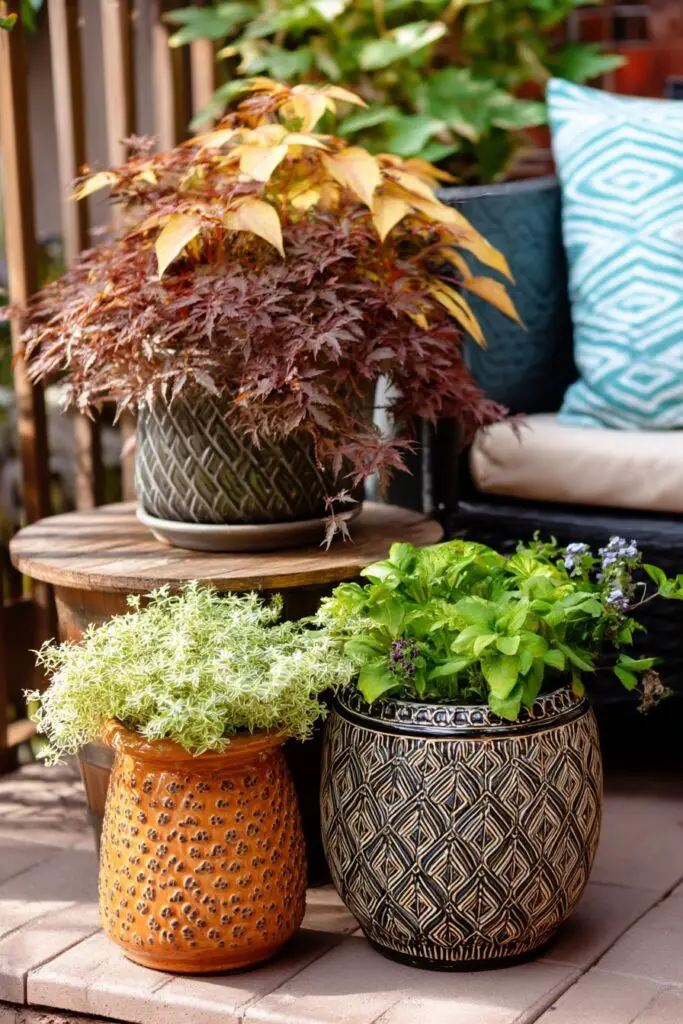
One of the joys of container gardening is the chance to play with textures, heights, and colors in small, manageable spaces. Whether you’re dressing up a front porch or brightening a balcony, thoughtful arrangements turn ordinary pots into striking focal points.
Design Tips:
- Use the “Thriller, Filler, Spiller” Method:
- Thriller: A bold, upright plant (e.g., ornamental grass, geranium).
- Filler: A medium-height, bushy plant (e.g., coleus, herbs).
- Spiller: A trailing plant that cascades over the sides (e.g., sweet potato vine, ivy).
- Group Containers in Odd Numbers: Clusters of 3 or 5 look more natural and visually balanced.
- Mix Materials: Blend ceramic, terracotta, and woven baskets for a textured look.
- Vary Heights: Use plant stands or stack containers for a tiered garden effect.
Add seasonal flair with rotating blooms, or use neutral containers that blend into your existing decor. Your container garden can evolve with the seasons and your style.
Final Thoughts on Container Gardening
Whether you have a spacious patio or a cozy windowsill, container gardening opens the door to green possibilities in every corner of your home. With the right containers, proper care, and a creative touch, your space can flourish with life and color—no digging required.
Container gardening is more than just a solution for limited space. It’s a way to garden smarter, beautify your surroundings, and grow exactly what you love. Start small, have fun, and let your containers grow with you.