
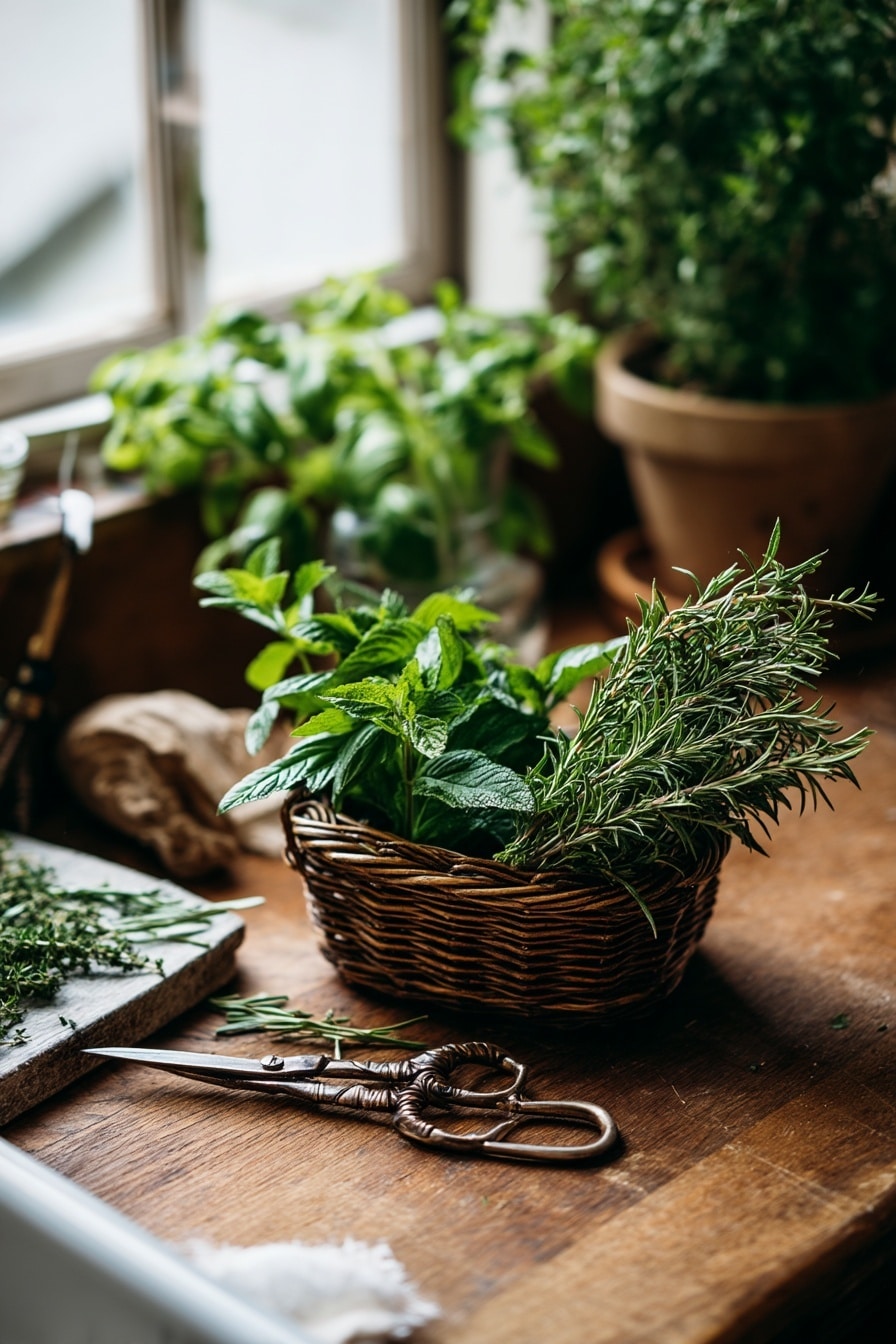
Herb garden is more than just a patch of plants — it’s a living pantry, a sensory delight, and a gateway to fresher flavors in your kitchen. Growing your own herbs can be simple, rewarding, and perfect for gardeners of all levels. Whether you have a sprawling backyard or a small balcony, creating an herb garden lets you harvest fragrant sprigs of basil, mint, rosemary, and more right when you need them.
Many herbs are low‑maintenance and forgiving for beginners, making them ideal if you’re stepping into gardening for the first time. From selecting the right spot to understanding the needs of each plant, setting up your herb garden is a journey that pays off with vibrant growth and delicious rewards.
Table of Contents
Choose the Right Herbs for Your Space and Needs

Before planting your herb garden, think about what herbs you’ll actually use and what conditions you can offer them. Some herbs love full sun, while others thrive in partial shade. Likewise, some need moist soil and others prefer drier conditions.
Popular Herbs to Grow:
- Basil – Loves warmth and sun; perfect for salads, pasta, and sauces.
- Mint – Easy to grow but can be invasive; ideal for teas, desserts, and cocktails.
- Rosemary – Thrives in dry, sunny spots; great for roasting and savory dishes.
- Thyme – A low-growing herb with great flavor for meats and stews.
- Parsley – Versatile and nutrient-rich, suitable for sun or partial shade.
- Chives – Hardy and ideal for cooler climates; adds a mild onion flavor.
Make a list of your most-used herbs in cooking or teas. Matching your lifestyle with the growing conditions of herbs ensures success from the start.
Pro Tip: Group herbs with similar water and sunlight needs together. This makes care easier and helps avoid over- or under-watering.
Find the Ideal Spot for Your Herb Garden
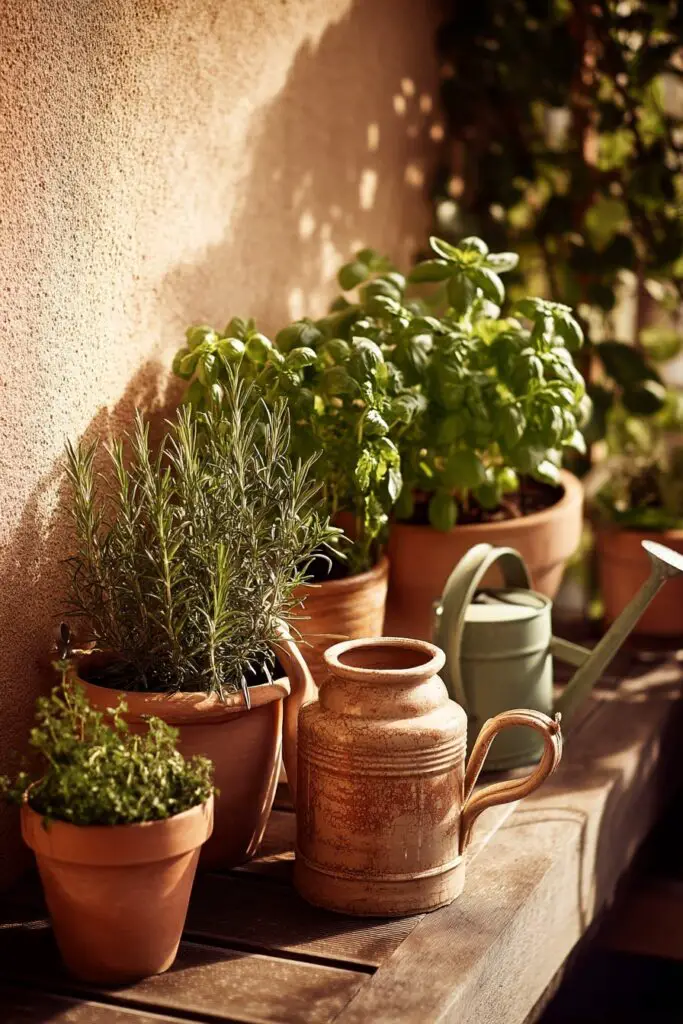
Location is everything when it comes to growing a thriving herb garden. Most herbs prefer at least six hours of sunlight daily. Whether you’re planting in raised beds, window boxes, or containers, light is key to healthy, aromatic herbs.
Tips for Choosing a Spot:
- Sunny Windowsill: Great for indoor herb gardens, especially in cooler climates.
- Balcony or Patio: Ideal for container gardens if outdoor space is limited.
- Raised Beds: Provide excellent drainage and warmth for outdoor herbs.
- Kitchen Proximity: Placing herbs near your kitchen makes harvesting quick and convenient.
Ensure the area has well-draining soil. Standing water can cause root rot, especially in Mediterranean herbs like rosemary and thyme. If your soil is heavy or clay-like, consider raised beds or pots with drainage holes.
Note: South-facing windows or garden areas generally offer the most sunlight exposure, perfect for light-loving herbs.
How to Plant and Care for Your Herb Garden
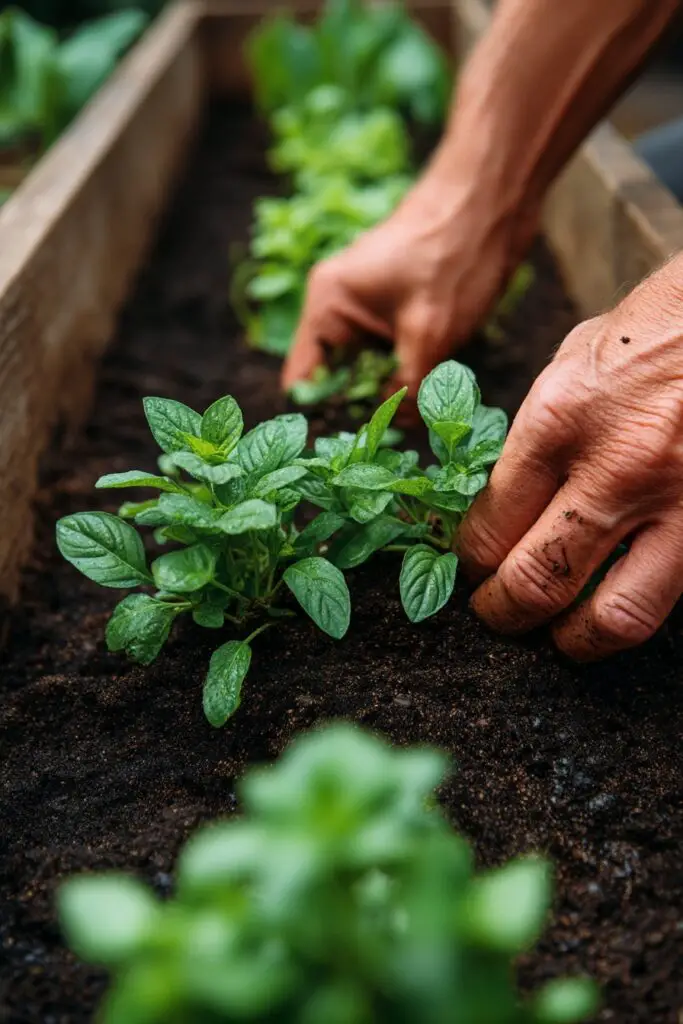
Once you’ve chosen your herbs and found the perfect spot, it’s time to plant. Whether you’re starting from seeds or using nursery-grown plants, the process is easy with a bit of planning.
Planting Guidelines:
- Seeds: Start indoors 6–8 weeks before the last frost or sow directly outdoors in warm weather.
- Transplants: Space them according to each herb’s needs — usually 6–12 inches apart.
Use high-quality organic potting mix for containers and well-amended garden soil for raised beds. Make sure soil stays loose and aerated.
Watering and Maintenance:
- Watering: Most herbs like moist but not soggy soil. Water deeply when the top inch of soil feels dry.
- Pruning: Regular harvesting encourages new growth. Snip leaves above a leaf node to promote branching.
- Fertilizing: Herbs generally don’t need heavy feeding. Use a diluted, organic fertilizer every few weeks during active growth.
Avoid overwatering—herbs like thyme, rosemary, and oregano actually prefer slightly dry conditions.
Pest Control:
- Use neem oil or insecticidal soap for common pests like aphids or spider mites.
- Companion planting with herbs like basil can help deter insects from nearby vegetables.
Design Ideas to Make Your Herb Garden Stand Out
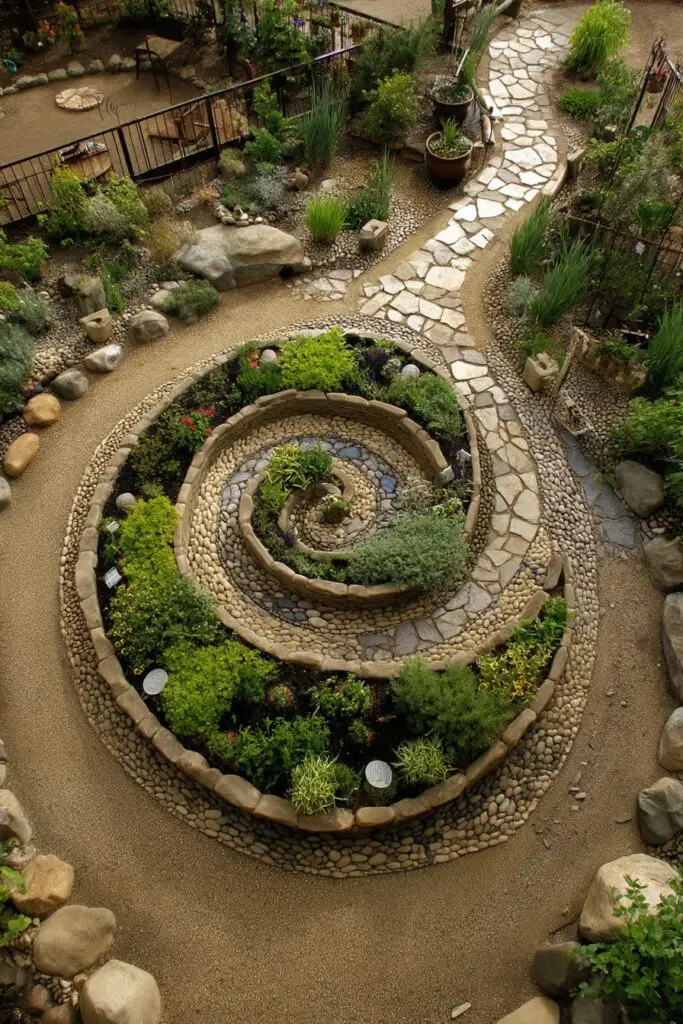
A herb garden doesn’t have to be purely functional — it can also be a visually stunning feature in your outdoor or indoor space. By blending structure with creativity, you can enjoy both fresh herbs and aesthetic charm.
Creative Layout Ideas:
- Vertical Herb Wall: Great for small patios or balconies. Use wall-mounted planters or a tiered ladder shelf.
- Spiral Herb Garden: A compact, eco-friendly design that creates microclimates for different herbs.
- Container Groupings: Mix pots of various sizes and colors for a playful look. Group herbs with similar care needs.
- Window Box Garden: Perfect for apartments or kitchens. Keeps herbs within arm’s reach.
Aesthetic Touches:
- Use decorative labels or garden markers for easy identification.
- Incorporate natural stone or wooden borders to define your garden space.
- Add aromatic herbs like lavender or lemon balm to create a sensory experience.
Design your space with access in mind — you’ll want to easily reach and harvest herbs without disturbing the rest of your garden.
Harvesting and Enjoying Your Homegrown Herbs
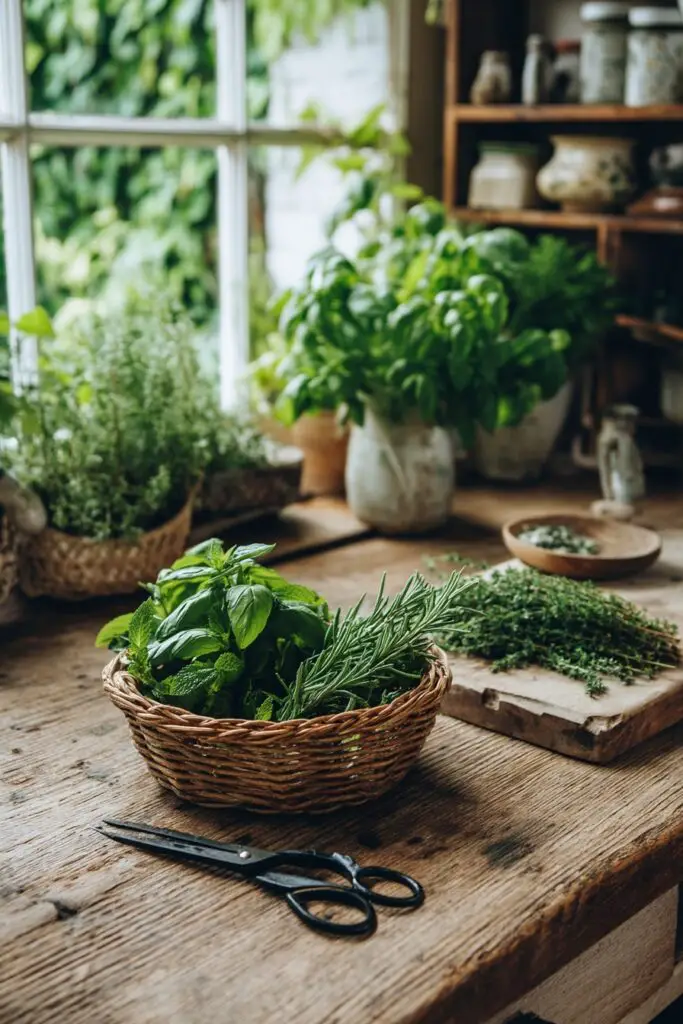
Harvesting from your herb garden is one of the most satisfying parts of growing your own. The key is to snip herbs regularly and at the right time for maximum flavor and continued growth.
Best Harvesting Practices:
- Morning Harvest: Pick herbs in the early morning after dew has dried but before the sun gets strong. Oils are most concentrated then.
- Use Clean Tools: Always use clean scissors or pruners to avoid damaging the plant.
- Don’t Overharvest: Avoid removing more than one-third of the plant at a time. This allows the herb to recover and keep producing.
Storage Tips:
- Fresh Use: Store herbs in a glass of water like a bouquet, or wrapped in a damp paper towel inside a plastic bag in the fridge.
- Drying: Hang bunches upside down in a dry, airy space away from sunlight. Once dried, store in airtight containers.
- Freezing: Chop herbs and freeze in ice cube trays with a bit of water or olive oil.
Easy Ways to Use Herbs:
- Add basil to pasta and pizzas
- Brew mint into calming tea
- Infuse rosemary into oils or roasted dishes
- Mix parsley into fresh tabbouleh or chimichurri
- Garnish soups and eggs with chives
Growing herbs makes everyday meals more flavorful — and more fulfilling knowing you grew it yourself.
Final Thoughts on Starting Your Own Herb Garden
Creating a herb garden is a simple yet rewarding way to bring fresh flavor and fragrance into your life. Whether you’re working with a backyard plot, a sunny windowsill, or a few containers on a patio, herbs are flexible, forgiving, and fun to grow.
By choosing the right herbs, placing them in a well-lit spot, and giving them the care they need, you’ll enjoy a thriving garden that feeds both your body and soul. Remember, the more love and attention you give your herbs, the more they’ll give back in flavor and beauty.