
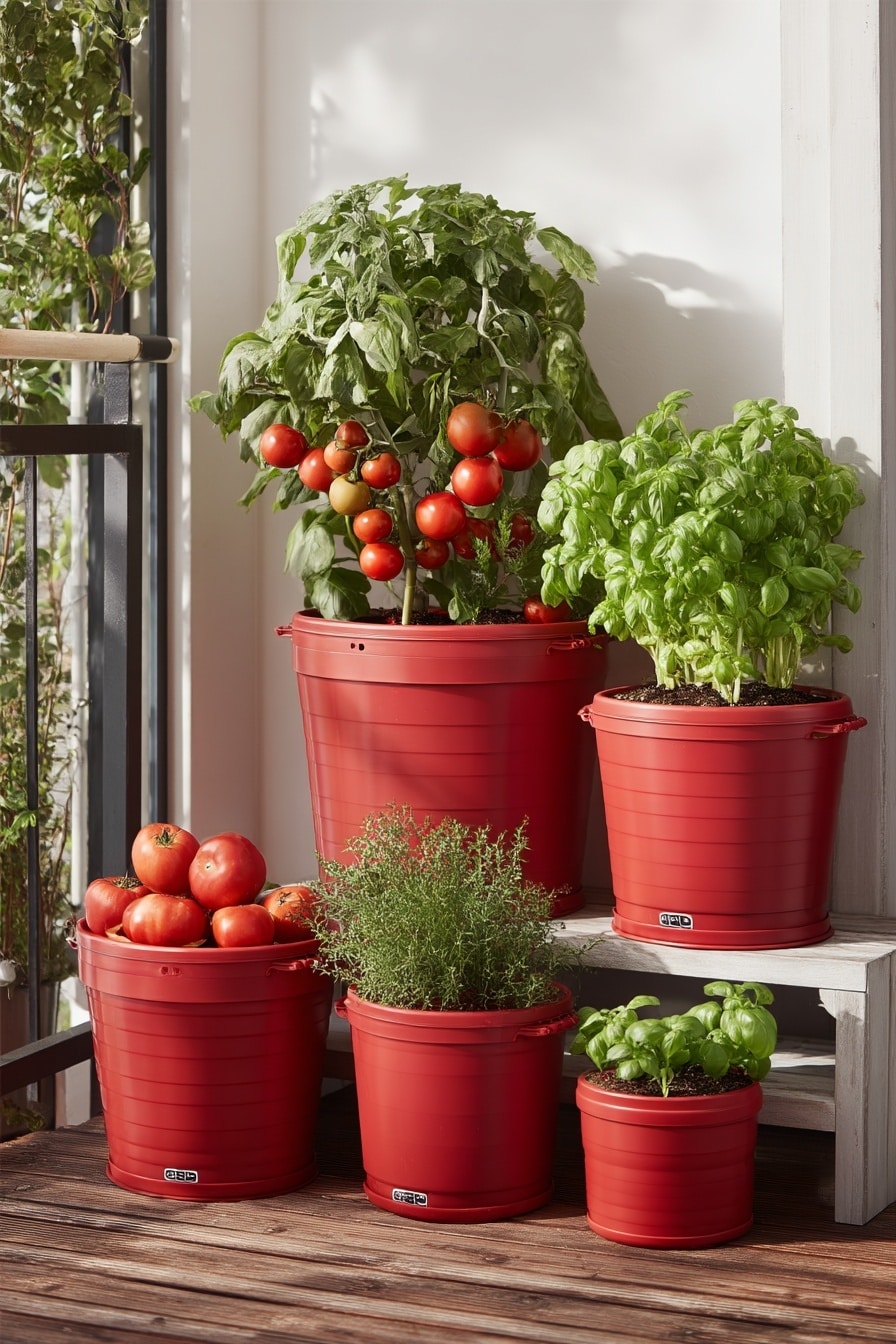
Balcony garden setups are a great way to enjoy plants, grow food, and bring life to small urban spaces. Even with limited square footage, it’s entirely possible to create a lush, productive garden using containers, sunlight, and smart planning.
Whether you want to grow herbs for the kitchen or flowers for color, a balcony garden can thrive with just a few essential practices. From choosing the right containers to placing your plants according to the sun, a bit of strategy goes a long way.
These six tips will help you grow a balcony garden that’s healthy, low-maintenance, and full of fresh beauty all season long.
Table of Contents
1. Select Container-Friendly Plants

The foundation of a successful balcony garden starts with choosing the right plants. Not every variety thrives in pots, so it’s important to focus on those specifically suited for container life. Look for labels like “dwarf,” “patio,” or “bush”—these compact varieties are ideal for small spaces and limited root depth.
For edible plants, popular container-friendly options include tomatoes, peppers, eggplants, beans, and cucumbers. Leafy greens like lettuce, spinach, and chard grow well in shallow pots and provide continuous harvests. Herbs such as basil, parsley, oregano, and thyme also thrive in containers and are perfect for quick kitchen use.
If color is your goal, flowers like marigolds, zinnias, and geraniums offer bold blooms without taking over your space. Select plants that match your climate and cooking or design preferences, and your balcony garden will feel personalized and productive.
2. Choose the Right Container Size
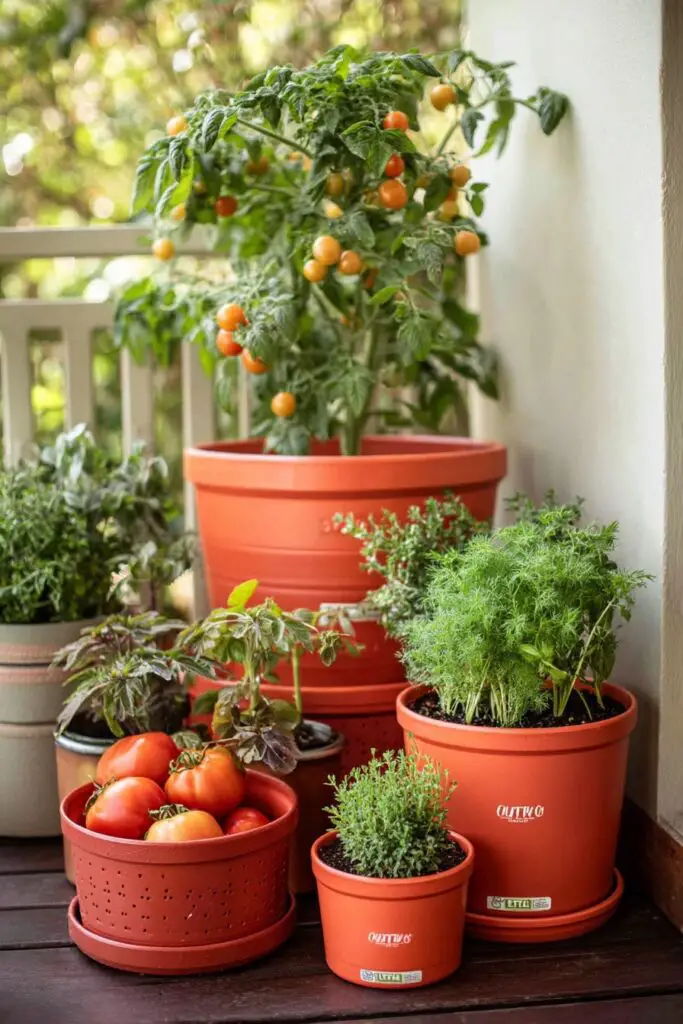
In any balcony garden, choosing the right container size is just as important as picking the right plants. Different plants have different root systems, so matching them to the proper pot depth helps them grow strong and healthy.
Large, deep containers (18–24 inches) are best for tomatoes, zucchini, beans, and cucumbers, which need plenty of room to stretch their roots. Medium containers (12–18 inches deep) are ideal for crops like peppers, eggplants, kale, and peas. For shallow-rooted plants such as lettuce, spinach, and green onions, smaller containers (6–9 inches) are enough.
No matter the size, always ensure your pots have drainage holes. Without proper drainage, excess water can collect at the bottom, leading to root rot or other plant health issues. In a balcony garden, well-drained containers mean healthier plants and fewer problems.
3. Place Plants Based on Sunlight
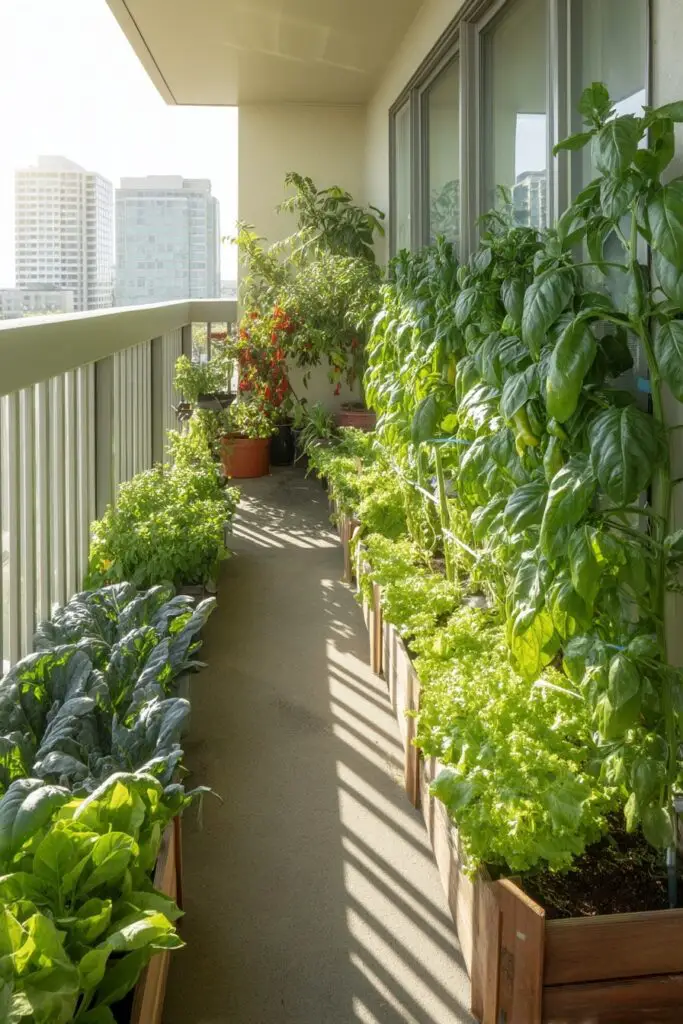
Sunlight is a major factor in how well your balcony garden performs. Before arranging your containers, take note of how many hours of sunlight each part of your balcony receives during the day. Some areas may get full sun, while others remain shaded for most of the afternoon.
Plants like tomatoes, peppers, eggplant, beans, and squash need 6 to 8 hours of direct sunlight daily. Place these in the sunniest part of your balcony. On the other hand, greens like lettuce, arugula, spinach, and chard can tolerate partial shade and will do well in spots with 3 to 5 hours of filtered light.
Observe your balcony throughout the day before planting. Matching each plant’s light needs to the right location is key to a thriving balcony garden—one that produces more and struggles less.
4. Companion Planting
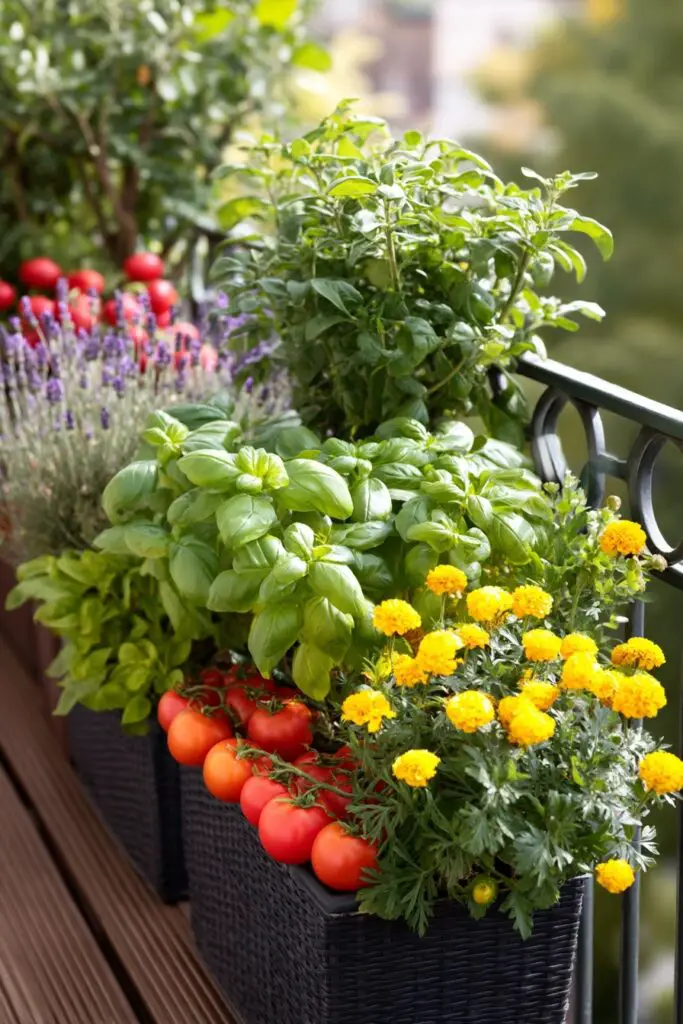
When working with limited space in a balcony garden, companion planting is one of the smartest ways to grow more without overcrowding. It simply means growing two or more plant types together that benefit each other—either by improving growth, repelling pests, or enhancing flavor.
For example, planting basil near tomatoes not only helps with growth but also boosts the flavor of the fruit. Marigolds are great companions for many edible crops, as they attract pollinators and deter unwanted insects. Nasturtiums pair well with kale or cabbage, helping to protect leafy greens from caterpillars.
When using this technique in containers, be sure to select plants with similar light and water needs, and give each enough room to grow. With a little planning, companion planting can maximize the output of your balcony garden while supporting natural plant health.
5. Mulch Plants and Water Regularly
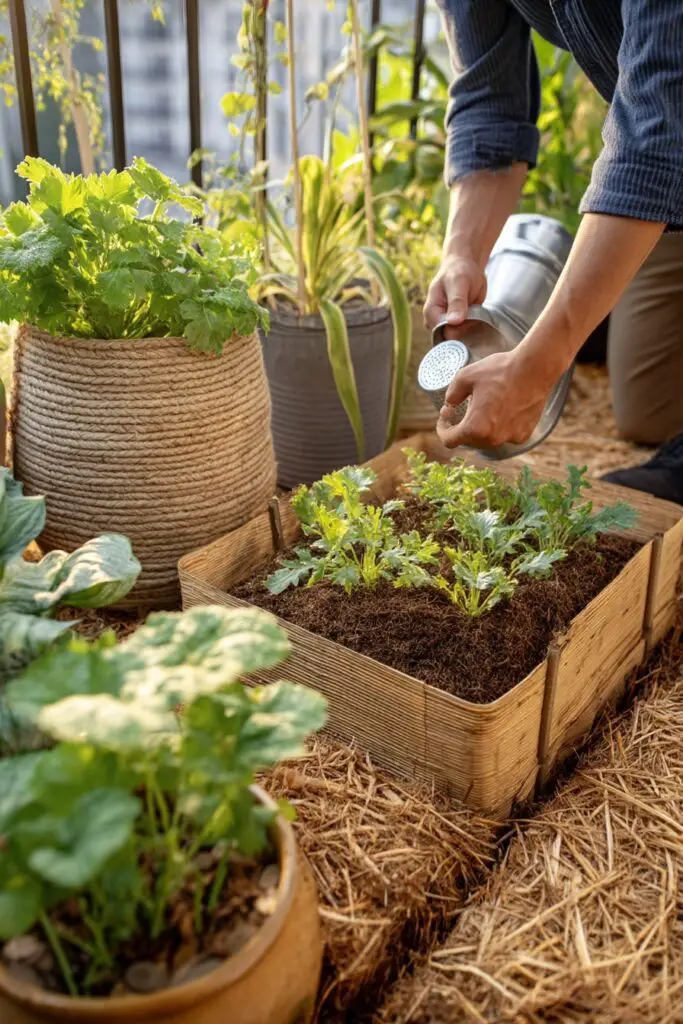
Moisture control is one of the biggest challenges in a balcony garden. Containers dry out faster than ground soil, especially during hot or windy days. That’s why consistent watering and proper mulching are essential to keep your plants thriving.
Check your soil daily by sticking a finger into the pot. If the top few inches feel dry, it’s time to water. Aim to water in the early morning, which helps plants withstand heat throughout the day. For added precision, consider using a moisture meter to monitor water levels more accurately.
To slow evaporation and keep soil temperatures stable, apply a 3-inch layer of mulch on top of each container. Natural mulches like straw, wood chips, or dried leaves work well and add an organic touch to your setup.
A well-watered and mulched balcony garden means less stress on your plants and more reliable harvests.
6. Fertilize Your Balcony Garden
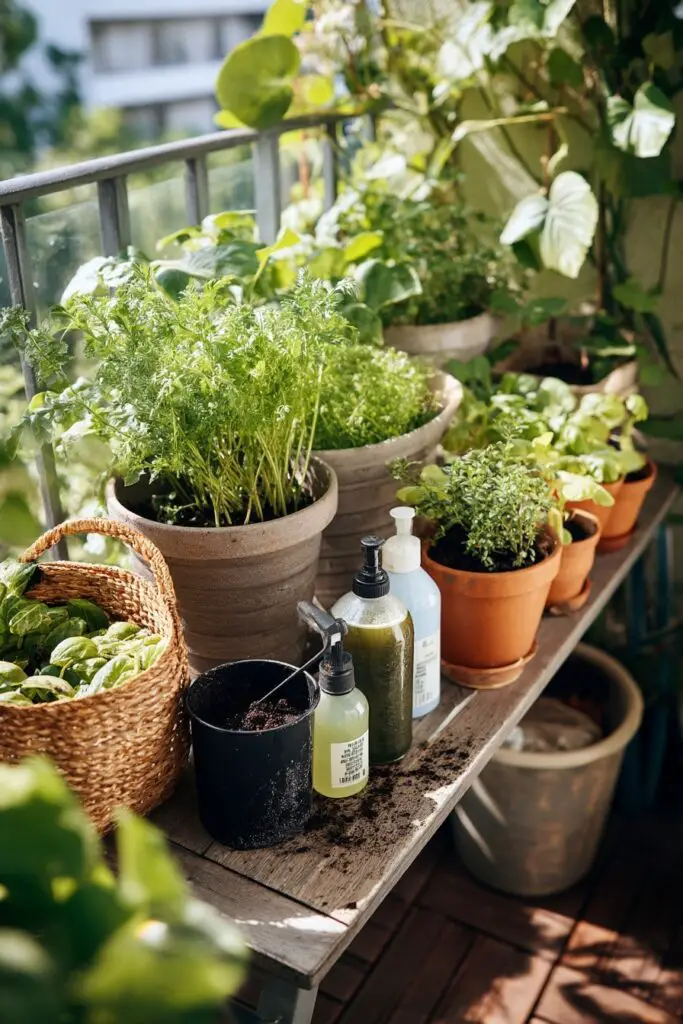
In a balcony garden, nutrients can deplete quickly due to frequent watering and limited soil volume. That’s why regular fertilizing is key to strong, productive plants. Unlike in-ground gardens, containers need a little extra help to keep their soil rich.
Use an organic fertilizer every few weeks to replenish essential nutrients. Good options include compost, fish emulsion, seaweed extract, or bone meal. These provide slow-release nutrition and are safe for edible plants.
Always follow the package instructions to avoid over-fertilizing, which can do more harm than good. For an easy routine, set reminders to feed your plants on a schedule—just like watering.
A well-fed balcony garden will reward you with vibrant foliage, steady growth, and better yields throughout the season.
Conclusion
A thriving balcony garden isn’t about how much space you have—it’s about how you use it. With the right containers, smart plant choices, and consistent care, even the smallest balcony can turn into a productive and beautiful garden space.
Whether you’re growing vegetables, herbs, or flowers, these six tips will help you get the most out of your setup. Start simple, stay consistent, and enjoy the daily satisfaction of nurturing your plants right outside your door.