
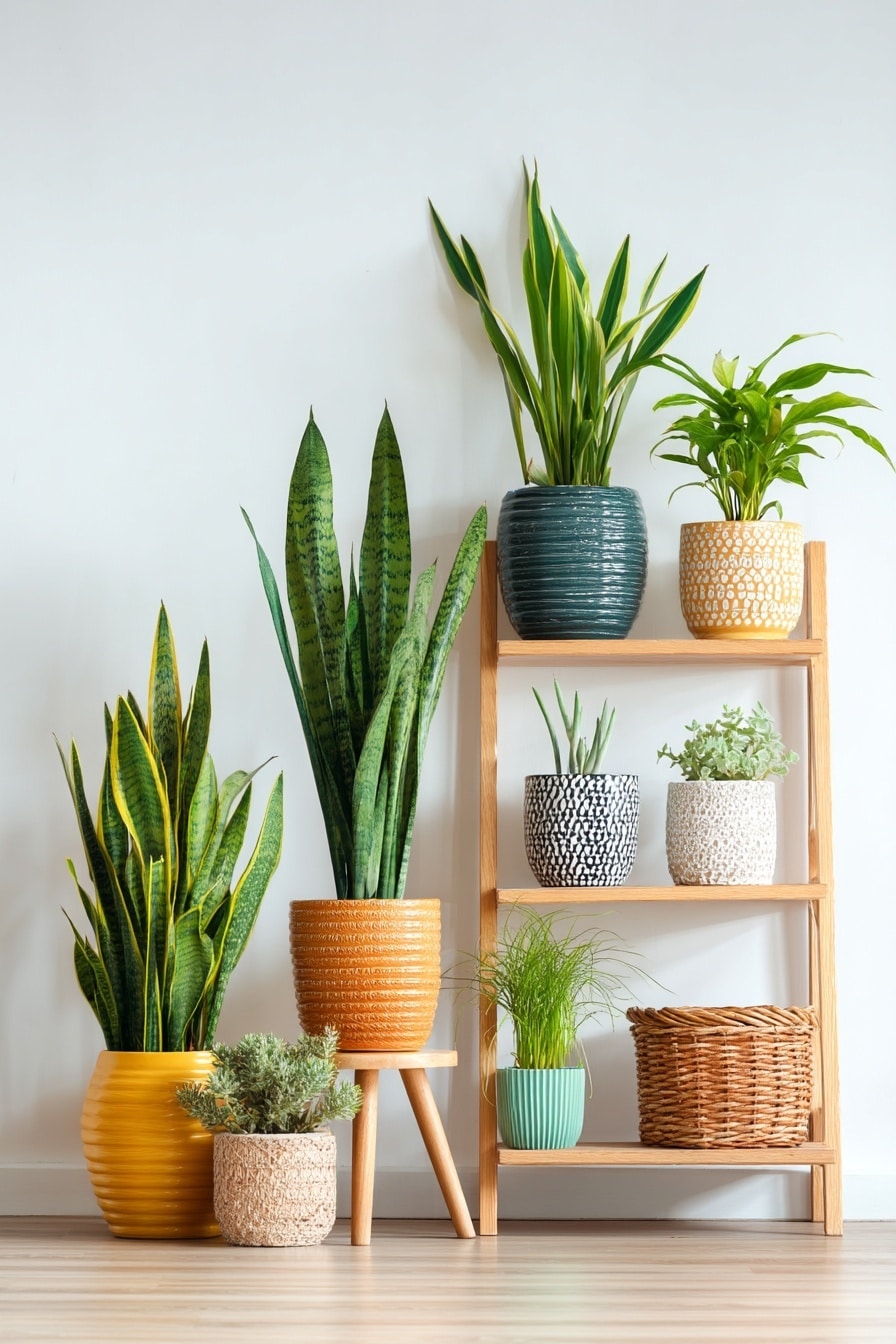
Indoor gardening is more than just a trend—it’s a smart solution for anyone craving the joys of greenery without access to outdoor space. Whether you live in a high-rise apartment, a compact condo, or a house with limited yard space, bringing plants indoors can transform your environment and well-being. From improving air quality to enhancing your mood, the benefits go far beyond aesthetics.
In this article, we’ll walk through five meaningful advantages of indoor gardening, offering practical ideas and tips along the way. Whether you’re a beginner or already have a few leafy companions, there’s something here to help you grow a healthier, happier home.
Table of Contents
1. Boosts Emotional Wellbeing

One of the most immediate benefits of indoor gardening is how it uplifts your mood. Plants bring color, life, and a calming presence into your home—something especially valuable when you’re spending extended time indoors due to weather, work, or the season.
Studies show that tending to plants can reduce stress, anxiety, and even symptoms of depression. The simple act of watering a plant or watching new leaves unfurl provides a daily moment of peace. For those working from home or living in colder climates, placing a cheerful pot of flowers near a window can make the indoor atmosphere feel more alive and connected to the outside world.
Bright, flowering plants like African violets or begonias add a splash of color on dreary days and serve as gentle reminders that spring is always on its way.
2. Improves Air Quality
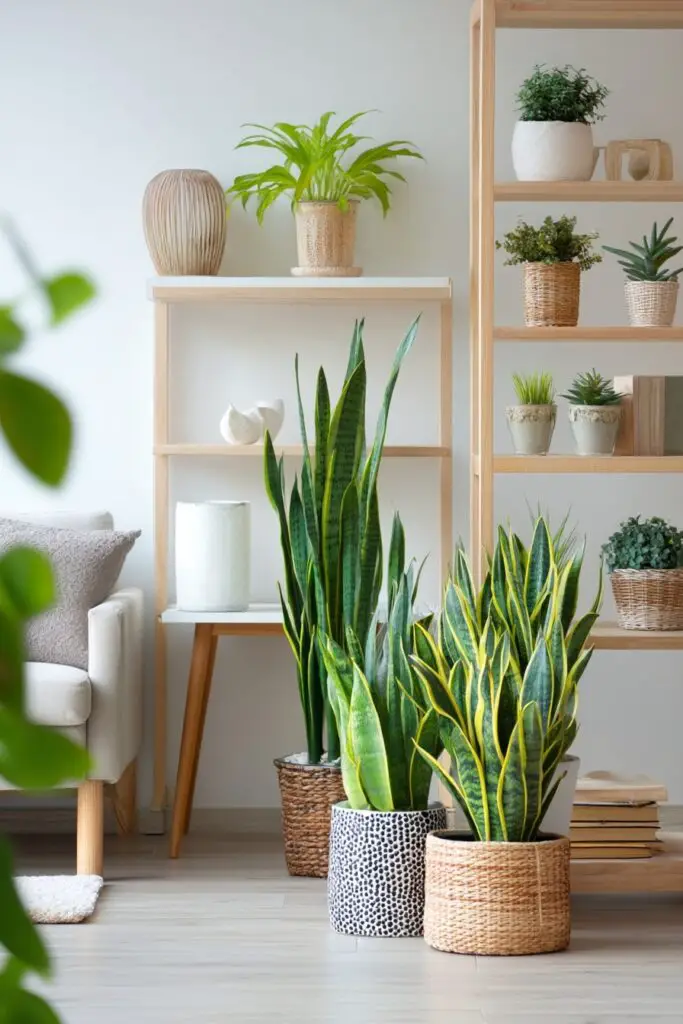
Another powerful reason to embrace indoor gardening is the impact it can have on the air you breathe. Many common houseplants act as natural air purifiers, absorbing toxins and releasing fresh oxygen into your living space. In today’s well-insulated homes, where airflow can be limited, this makes a big difference.
Plants like spider plants, snake plants, and peace lilies are not only attractive but also incredibly efficient at filtering airborne pollutants such as formaldehyde and benzene. Even low-maintenance varieties like pothos or succulents contribute to a healthier indoor environment.
For the best results, aim to include at least one plant in each room. Experiment with different types and placements—hang some from the ceiling, line up a few along a sunny windowsill, or place a bold, leafy option in a corner to liven up the space.
Breathing cleaner air isn’t just good for your lungs—it can also support better sleep and improve focus during the day.
3. Enhances Cooking with Fresh Herbs
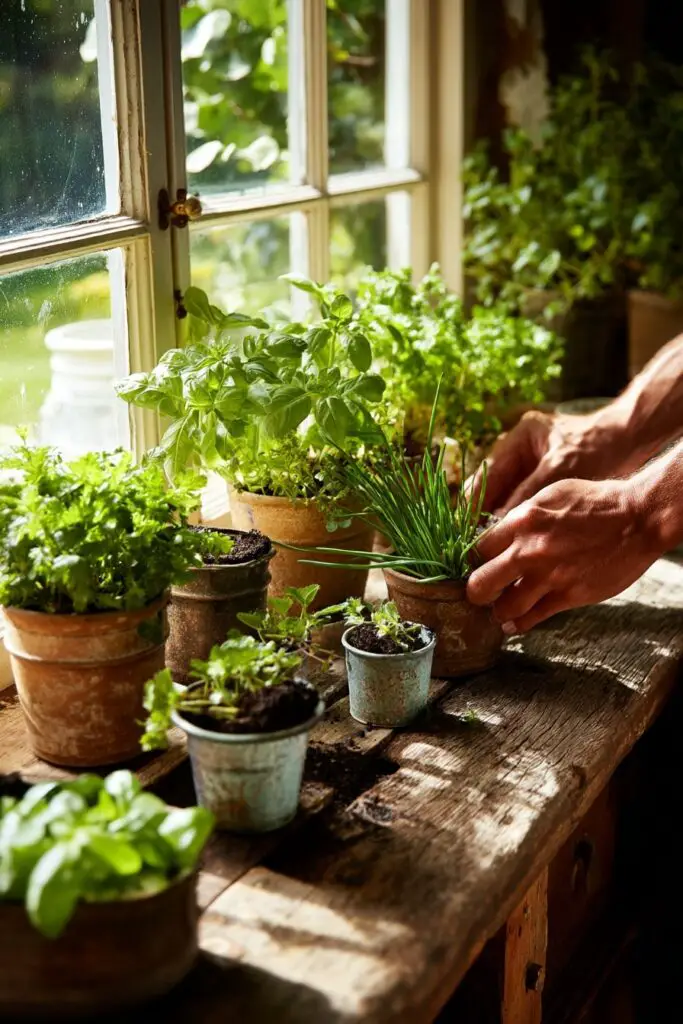
One of the most practical joys of indoor gardening is growing your own herbs. A small windowsill garden filled with fresh mint, basil, or chives can instantly elevate your home cooking—and save you from last-minute store runs for flavor.
Fresh herbs not only taste better than dried ones, but they’re also more nutritious. A few leaves of basil can transform a simple pasta dish, while freshly cut mint adds a refreshing twist to tea or sparkling water. Chopped parsley or chives can brighten up everything from soups to scrambled eggs.
Starting a kitchen herb garden is easy, even if you’re new to gardening. All you need is a sunny spot, a few small pots, and well-draining soil. For kids, it’s a fun way to get hands-on with food—pinching leaves and smelling the aroma connects them to where their meals come from.
With indoor gardening, your favorite ingredients are always just a snip away.
4. Adds Color with Flowering Plants
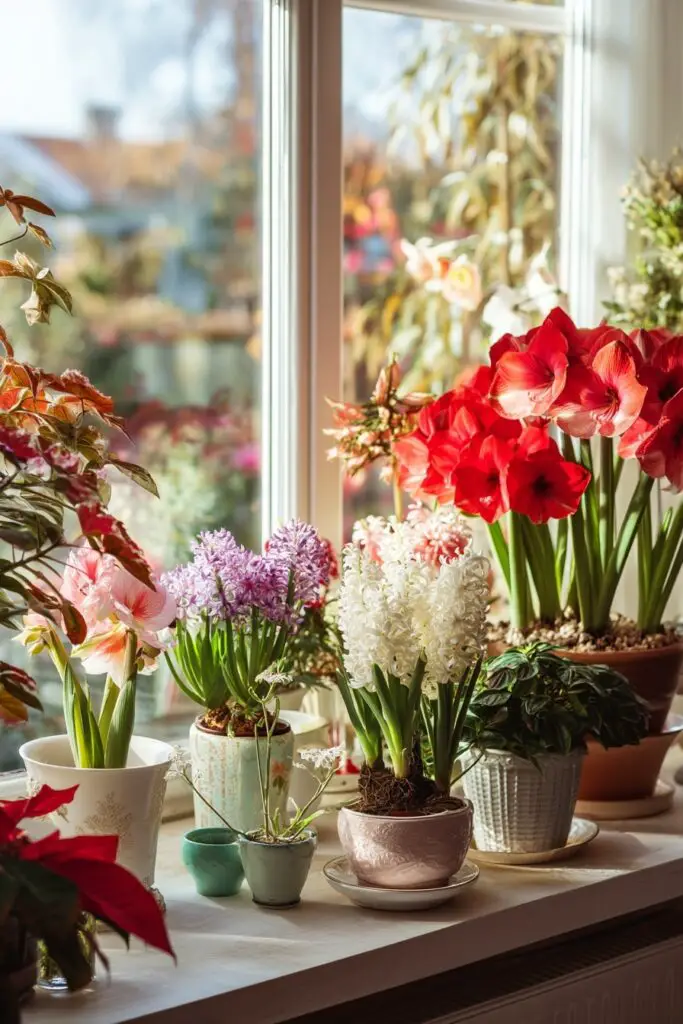
Indoor gardening isn’t just about leafy greens—it’s also a chance to bring vibrant color and beauty into your home through flowering plants. These natural mood boosters can turn any corner into a cheerful space, especially during the darker months when outdoor blooms are scarce.
Seasonal favorites like poinsettias and amaryllis add festive color during winter, while spring welcomes pots of tulips, hyacinths, and daffodils. Hyacinths are particularly rewarding, offering not just visual appeal but also a rich, fragrant scent that fills the room.
Some flowering plants, like cyclamen and miniature roses, can thrive indoors before being transplanted outdoors when the weather warms. Others, like the amaryllis bulb, are surprisingly easy to grow in just water and pebbles—no soil needed.
Adding flowers to your indoor garden brings dynamic color, variety, and seasonal change to your living space. It’s an easy way to make your home feel alive year-round.
5. Saves Money and Supports Sustainability
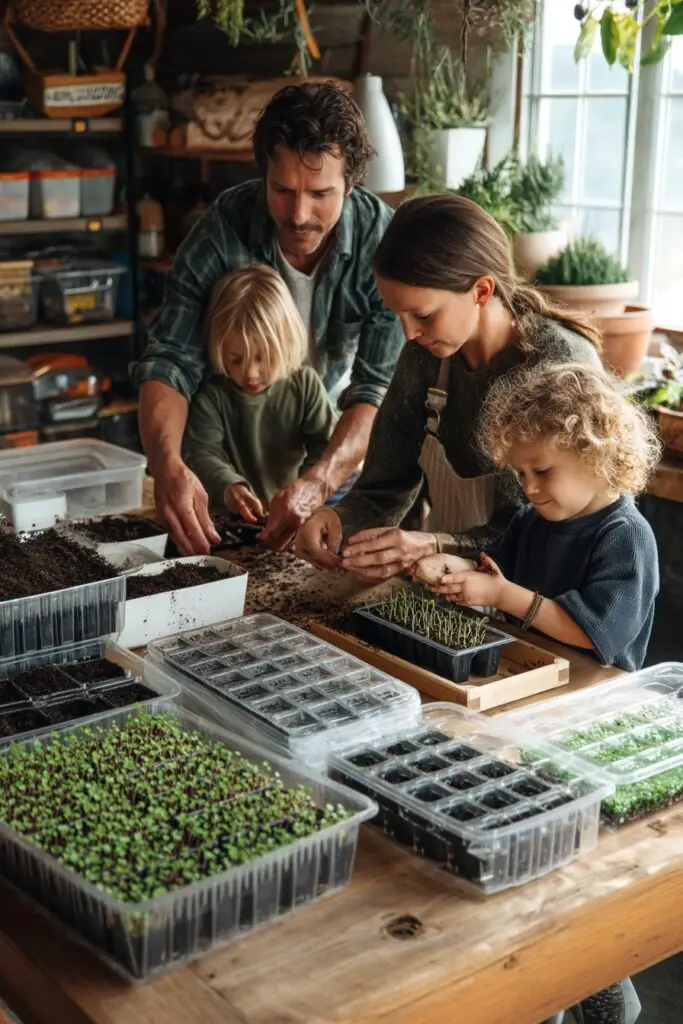
Beyond beauty and wellness, indoor gardening is a smart, cost-effective way to grow your own food and reduce household waste. Starting vegetables or flowers from seed indoors allows you to control what goes into your plants—making it easier to garden organically, avoid chemicals, and grow only what your family actually uses.
Investing in a basic seed-starting kit or even repurposing containers can get you going with minimal expense. With a little sunlight—or a grow light setup if natural light is limited—you can cultivate your own tomatoes, lettuce, kale, or favorite blooms before transferring them outdoors in spring.
Growing from seed also cuts down on waste. No more tossing wilted store-bought herbs or buying bulk produce only to use a fraction. Need just a few sprigs of dill or a handful of green onions? Snip exactly what you need, right from your kitchen.
Involving kids in indoor gardening projects also creates valuable lessons about where food comes from and how to care for living things—plant by plant, season by season.
Conclusion
Indoor gardening offers so much more than just greenery on a shelf—it’s a meaningful way to create a healthier, happier home. From purifying your air and lifting your mood to adding fresh herbs to your meals and saving money on produce, the benefits are both emotional and practical. No matter the size of your space or your level of experience, there’s always room to grow something.
So grab a few pots, pick your favorite plants, and let your indoor garden become a natural extension of your lifestyle.