
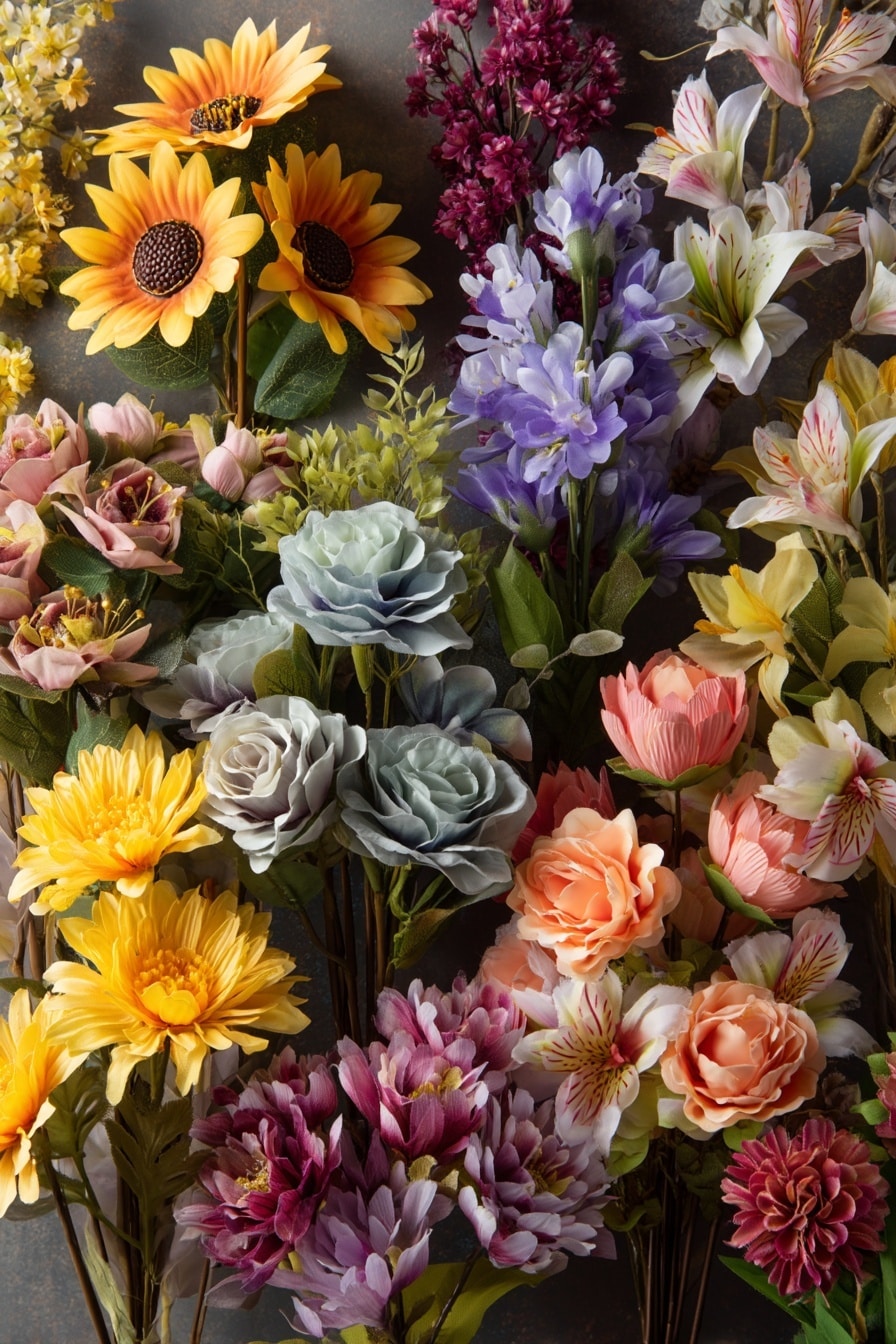
One of the biggest concerns when comparing artificial and real flowers is visual authenticity. While fresh blooms naturally steal the spotlight with their vibrant colors and soft textures, modern faux flowers have come a long way.
Today’s high-quality artificial arrangements use silk, latex, or soft-touch polymers to mimic the petal structure, color variations, and even subtle imperfections of real flowers. From delicate ranunculus to layered hydrangeas, it’s often hard to tell the difference—especially at a glance.
Side-by-side comparisons show that faux flowers can look nearly identical to real ones in photos and even in person. While real flowers still carry that unmistakable organic presence, artificial versions now offer a level of realism that can easily fool the eye—especially when styled well in natural light.
Table of Contents
Ease of Use: Fresh Cut vs Forever Blooms

When it comes to convenience, artificial flowers win hands down. Unlike real flowers, which require trimming, water changes, and the right temperature, faux arrangements are completely maintenance-free.
Fresh blooms need care from the moment they’re cut—removing leaves, refreshing water, and watching for signs of wilting. Their short lifespan also means regular replacements, especially in warm environments.
In contrast, artificial flowers arrive looking perfect and stay that way. They don’t droop, drop petals, or trigger allergies. You can move them around freely, arrange them in advance for events, and even store them for future use without any mess.
While real flowers deliver a fresh scent and fleeting beauty, faux options give you consistent results with zero fuss—ideal for busy schedules or hard-to-reach display areas.
Durability: How Long Do Real Flowers Last Compared to Faux?
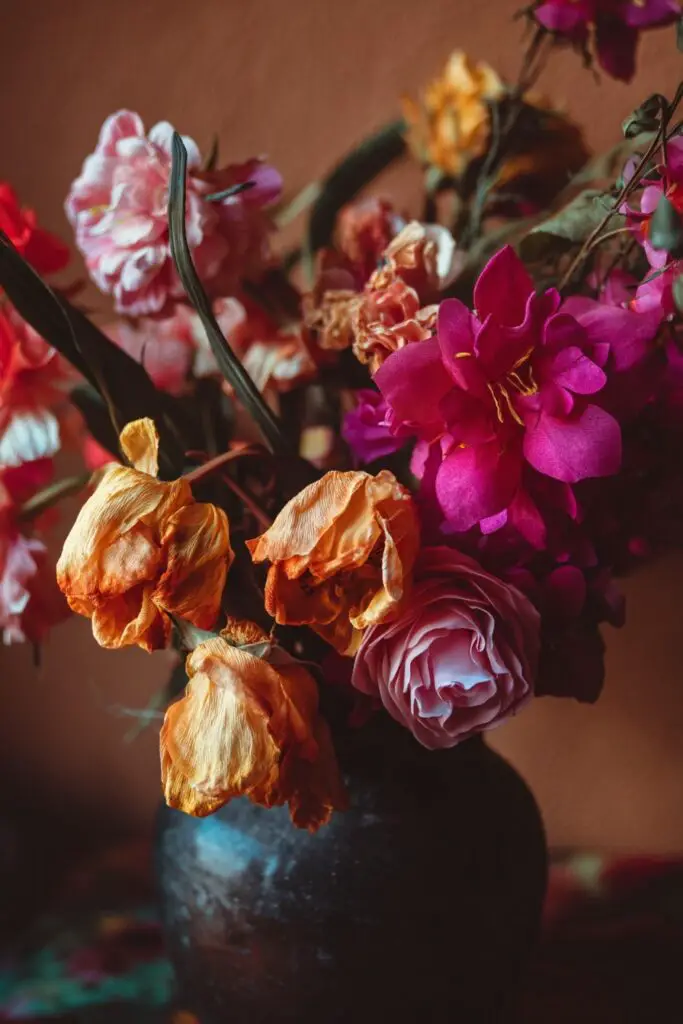
Longevity is one of the biggest differences between real flowers and artificial ones. While fresh-cut blooms can brighten a room for a few days to a week, their beauty fades quickly without careful care.
Temperature, humidity, and sunlight all affect how long real flowers last. Even under perfect conditions, wilting is inevitable. Most bouquets begin to decline after day three, and by the end of the week, petals often brown or fall.
Artificial flowers, on the other hand, can last for months—or even years—without losing their shape or color. They’re immune to heat and light, and require no water or trimming. A well-made faux arrangement will continue to look fresh season after season.
For everyday décor or long-term displays, artificial options clearly outlast real flowers in both lifespan and value.
Cost Comparison: Are Real Flowers More Expensive in the Long Run?
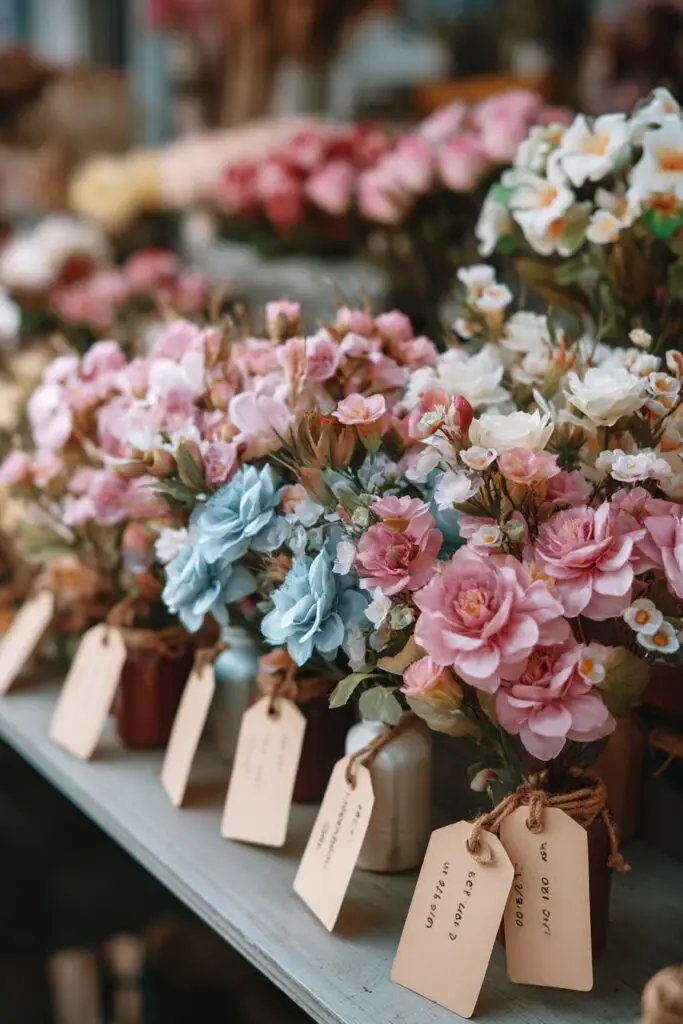
At first glance, real flowers might seem like the more affordable choice. A simple bouquet from the market can cost less than a premium faux arrangement. But when you look at the long-term investment, the numbers tell a different story.
Fresh flowers need to be replaced regularly—especially for ongoing décor, events, or weekly centerpieces. Over time, those costs add up. Seasonal blooms or custom floral designs often come with premium pricing, especially around holidays.
Artificial flowers, though more expensive up front, are a one-time purchase. High-quality faux stems or pre-arranged bouquets maintain their appearance for years, eliminating the need for constant replacements.
If you’re decorating a space long-term or planning multiple events, faux may actually save money—while still offering the look of real flowers without the repeat expense.
Real-Life Comparisons: Can You Spot the Difference?
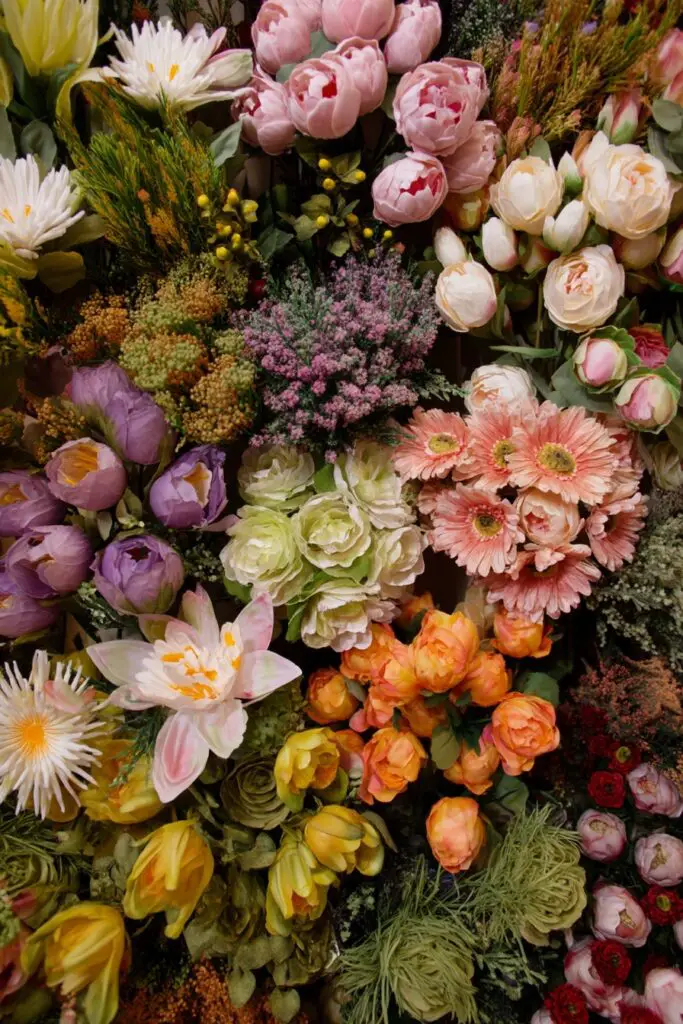
Side-by-side comparisons between artificial and real flowers often surprise even the most seasoned floral enthusiasts. With today’s materials and craftsmanship, many faux arrangements are nearly indistinguishable from the real thing—especially when styled in natural settings.
Take a soft pink hydrangea bouquet, for example. High-quality artificial versions mimic the subtle color gradients, layered petals, and even the light sheen found in fresh blooms. A faux lavender basket can appear just as vibrant and delicate as the fresh-cut version, without dropping a single bud.
In well-lit rooms or from just a few feet away, most guests can’t tell whether they’re looking at real flowers or a carefully crafted imitation. The true giveaway usually comes down to scent and texture—but visually, the line between real and artificial continues to blur.
🌸 Conclusion
While real flowers offer unmatched scent, freshness, and fleeting beauty, artificial flowers have closed the gap with realism, durability, and convenience. Choosing between the two comes down to your needs—do you want natural fragrance and a living touch, or a long-lasting display that stays picture-perfect year-round?
In the end, both real flowers and faux blooms have their place in homes, events, and decor. And with today’s stunning artificial options, the real challenge may be telling them apart at all.