
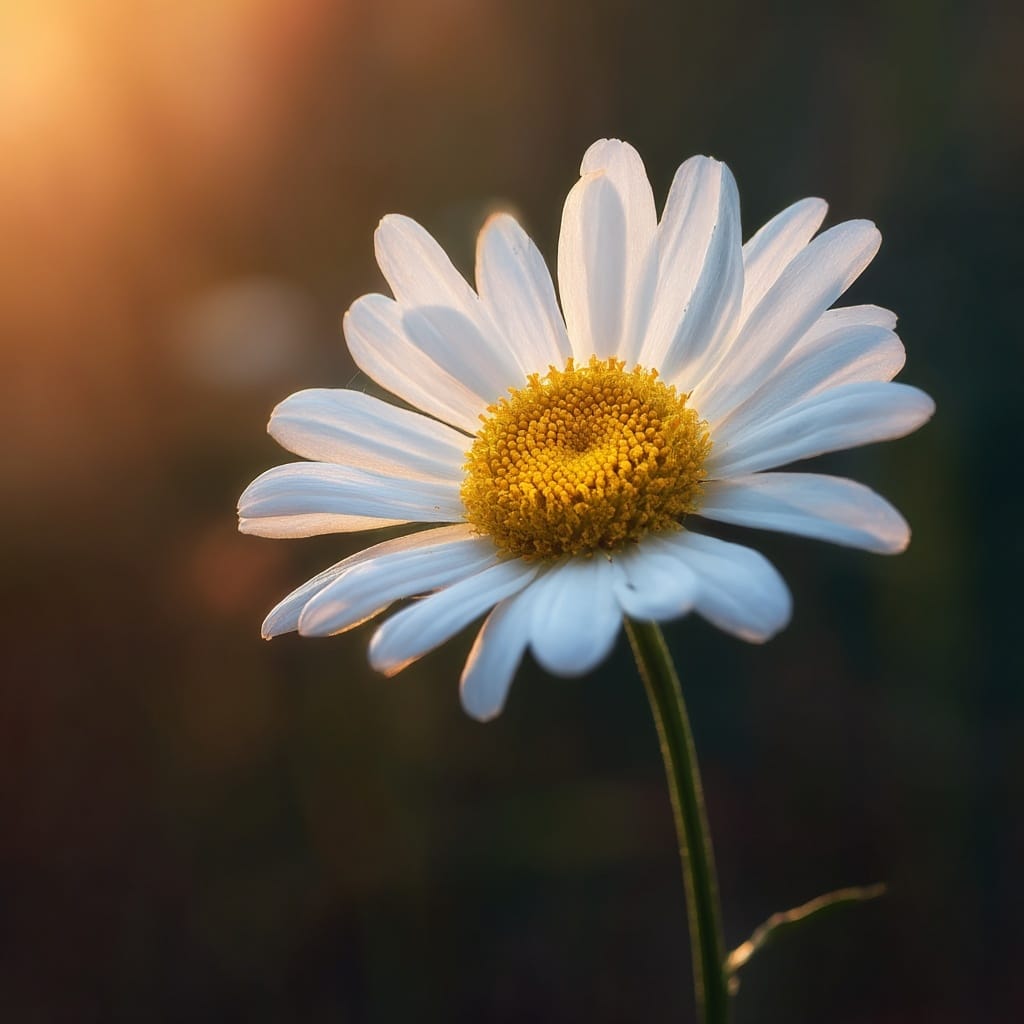
Daisy is a flower that effortlessly brings joy with its simple charm and cheerful blooms. Whether scattered across a wild meadow or neatly planted in garden beds, daisies are one of the most beloved flowers in the world. While they’re easy to recognize by their white petals and golden centers, there’s much more to these blooms than meets the eye. From their global adaptability to their edible qualities and symbolic meaning, daisies are full of delightful surprises. If you’ve ever smiled at the sight of a daisy, these five fascinating facts might just deepen your appreciation even more.
Table of Contents
Daisies Grow Just About Everywhere

One of the most fascinating things about the daisy is how incredibly adaptable it is. Originally native to Europe and temperate parts of Asia, daisies have now made themselves at home across nearly every continent—including North America and Australia. In fact, Antarctica is the only place where you won’t find these hardy blooms.
Their success lies in their versatility. Daisies can thrive in a variety of conditions: dry or wet climates, full sun or partial shade, flatlands or mountain slopes. Whether planted in containers or left to naturalize in fields, these resilient flowers often require little maintenance once established.
Their botanical durability isn’t the only thing they share with their floral cousins. Daisies belong to the same family as sunflowers (Asteraceae), and you’ll often see them blooming side by side in similar environments. Thanks to this adaptability, gardeners of all levels can enjoy growing daisies with minimal fuss.
The Meaning Behind the Name ‘Daisy’
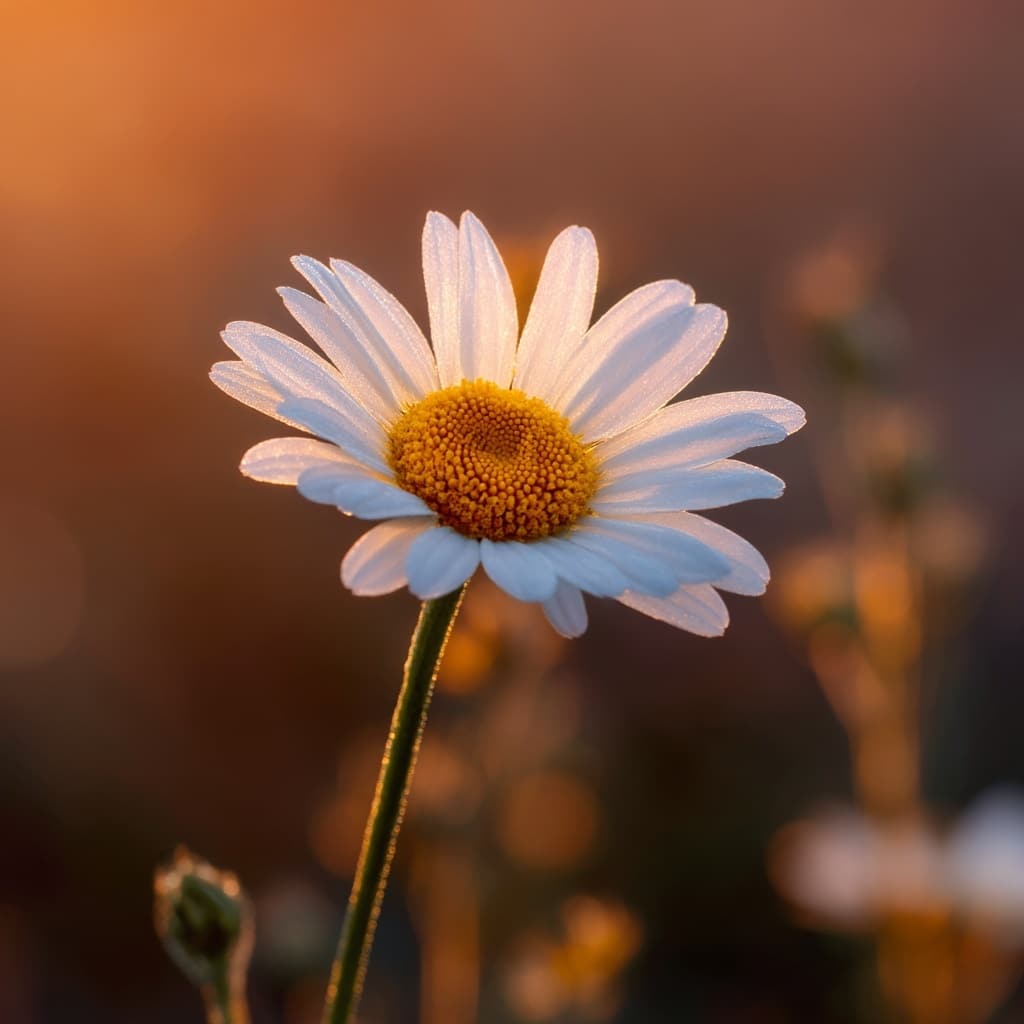
The daisy isn’t just lovely to look at—it has a poetic origin, too. The name “daisy” comes from the Old English phrase “dæges ēage,” which means “day’s eye.” This charming name reflects the flower’s daily rhythm: daisies close their petals at night and reopen them with the morning sun.
This behavior has earned the daisy a reputation as one of nature’s most reliable timekeepers. In ancient folklore, people believed that daisies symbolized new beginnings because they were among the first flowers to greet the daylight. Even today, they’re associated with freshness, renewal, and purity.
Knowing the meaning behind the name adds a deeper layer to these bright, unassuming blooms. Whether given as a gift or planted in a home garden, daisies carry a subtle message of optimism and a gentle reminder to start each day anew.
More Than a Pretty Bloom — Edible and Medicinal Uses
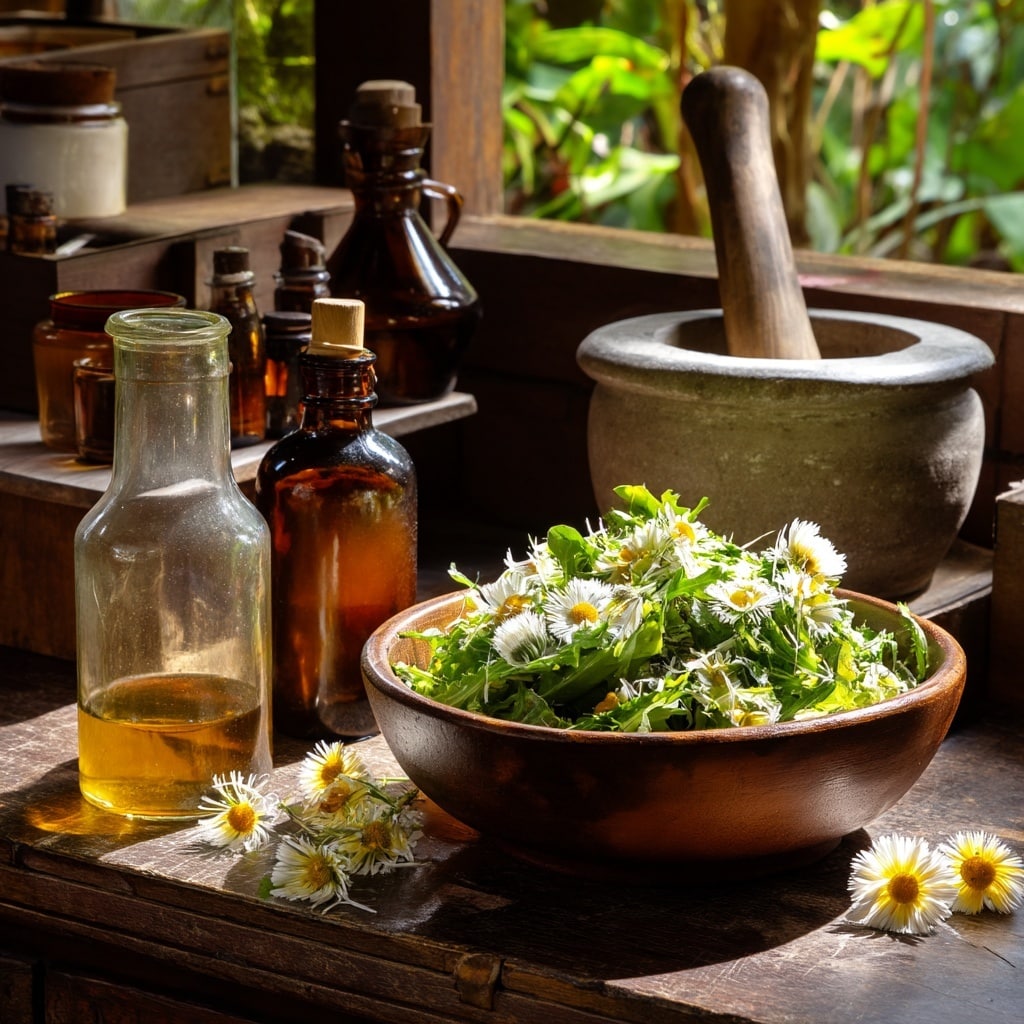
The daisy is more than just a decorative flower—it’s surprisingly practical too. In fact, certain types of daisies are edible and have been used in traditional remedies for centuries. While you may not think of flowers as food, daisy petals can make a charming garnish for salads, cakes, or herbal teas. Their mild flavor and delicate texture offer a whimsical, garden-fresh touch.
Nutritionally, some daisies—especially those related to artichokes—contain a modest amount of vitamin C. Herbalists have used daisy extracts to ease indigestion, soothe sore throats, reduce inflammation, and even slow minor bleeding. While modern medicine doesn’t widely rely on daisies, these historical uses highlight their versatility.
However, a note of caution: not all daisies are safe to eat. People with allergies to ragweed or chrysanthemums may experience sensitivity, and daisies treated with pesticides should never be consumed. If you’re curious to try them, make sure they’re organically grown and thoroughly washed.
So, the next time you see a daisy, remember—it’s not just a pretty face; it’s a flower with hidden benefits rooted in both kitchen and apothecary tradition.
Daisies Are Pollinator Favorites
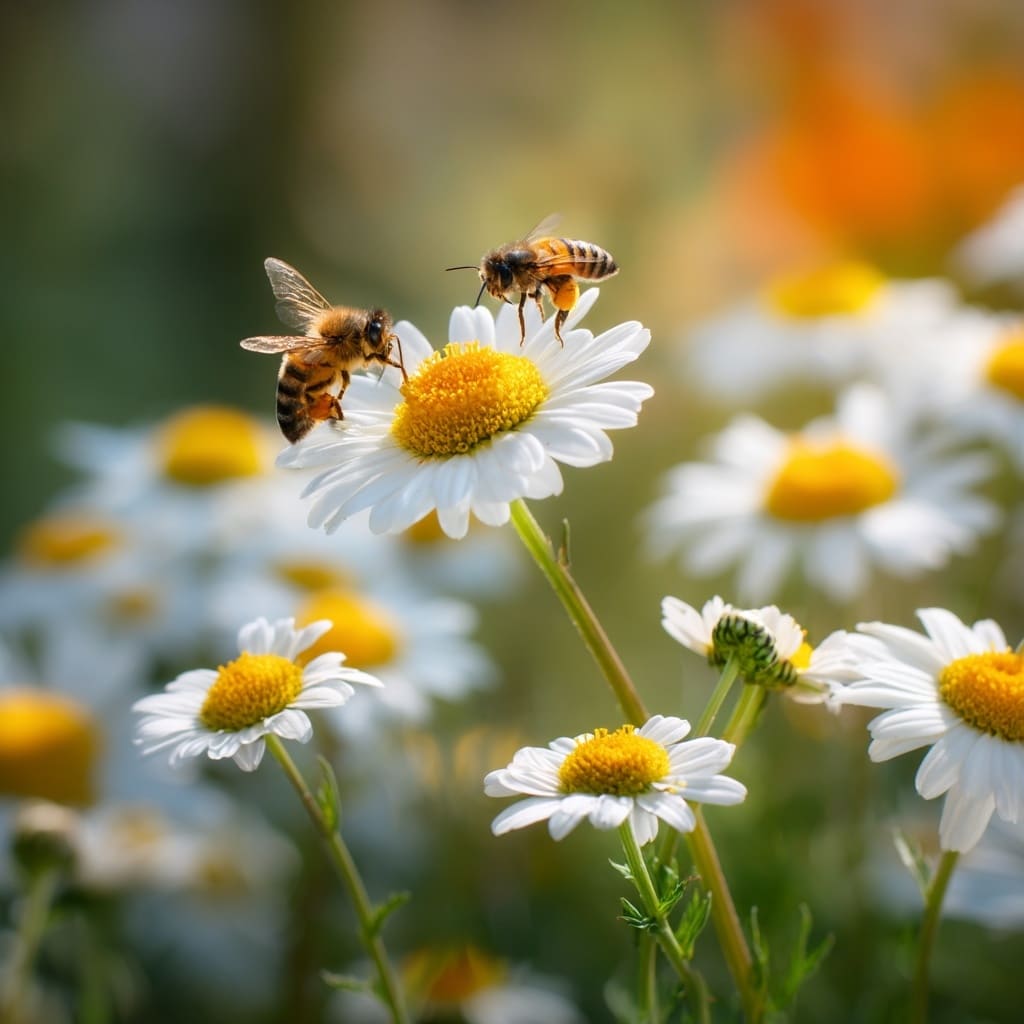
If you’re hoping to support pollinators in your garden, planting daisies is a smart and beautiful choice. These flowers are particularly attractive to bees, especially varieties like the Shasta daisy. Their broad, open structure makes it easy for bees and other beneficial insects to land and collect pollen or nectar.
What many people don’t realize is that a daisy’s golden center isn’t just one flower—it’s actually made up of hundreds of tiny florets. This clustered arrangement, called an inflorescence, means pollinators can gather food more efficiently from a single bloom.
In addition to bees, daisies also attract butterflies and other helpful insects, making them an essential part of a healthy, biodiverse garden. Their long blooming season, stretching from early summer into fall, ensures that pollinators have a consistent food source throughout the warmer months.
Whether planted in beds, borders, or containers, daisies aren’t just good for your eyes—they’re good for the environment too.
Daisies Carry Deep Symbolism
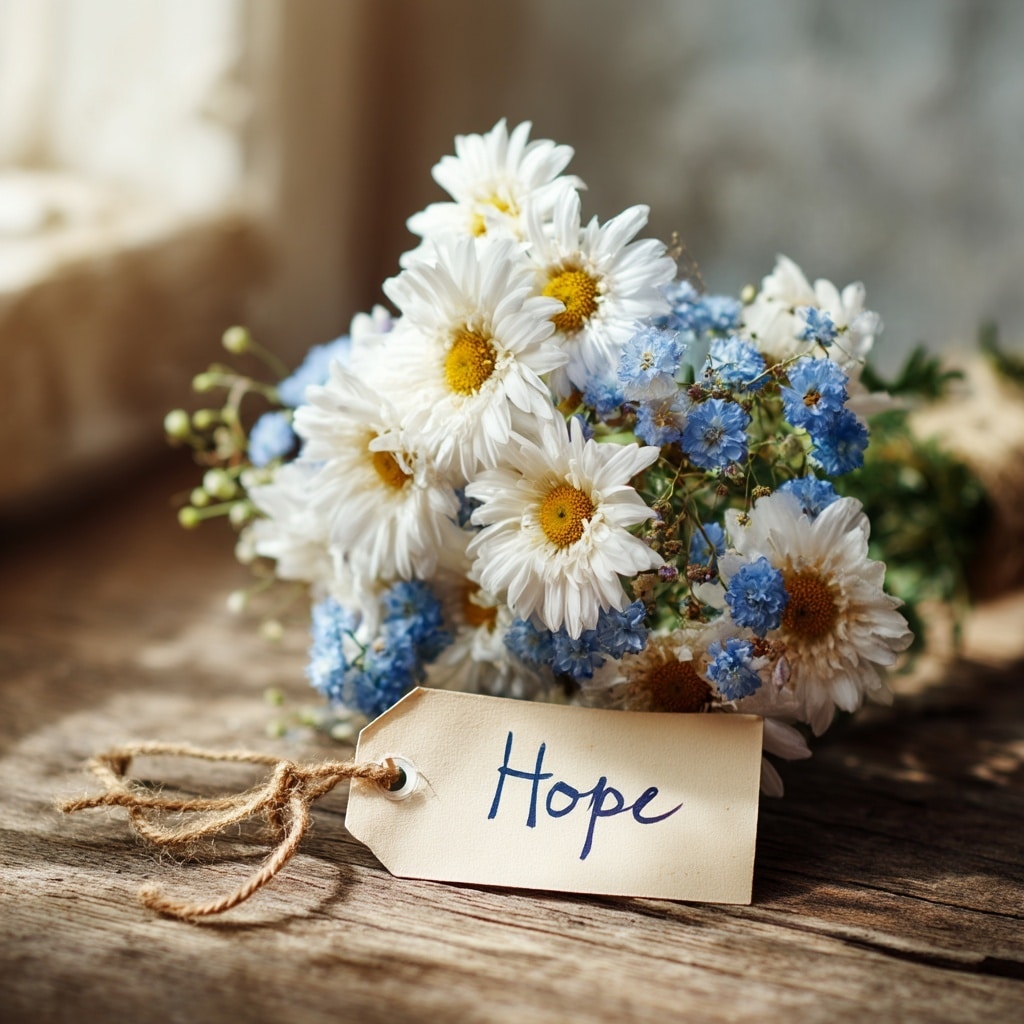
Beyond their visual charm, the daisy holds powerful symbolic meaning in many cultures. Most commonly, daisies represent innocence, purity, and new beginnings—qualities often associated with their fresh, clean appearance and daily blooming cycle. This symbolism makes them a popular choice for springtime events, baby showers, and even wedding bouquets.
Different daisy varieties carry unique meanings as well. The classic white daisy is linked to simplicity and humility, while the blue Marguerite daisy symbolizes openness and peace. Giving a bouquet of daisies can convey a message of loyalty, patience, or a quiet but steadfast affection.
In astrology and folklore, the daisy is also known as the birth flower for April, symbolizing youth and hope. Whether used to mark a special occasion or simply brighten a home, daisies carry more than beauty—they express timeless sentiments with a natural elegance.
So, the next time you gift or grow daisies, you’re sharing more than just a flower—you’re offering a symbol of something meaningful.
Conclusion
The daisy may look simple, but it’s anything but ordinary. From its wide-reaching adaptability and meaningful name to its edible qualities, pollinator-friendly design, and rich symbolism, this cheerful bloom offers more than meets the eye. Whether you’re planting a pollinator garden, looking for a low-maintenance flower, or just want to add a touch of happiness to your yard, daisies are a timeless choice that brings beauty and purpose to any space.