
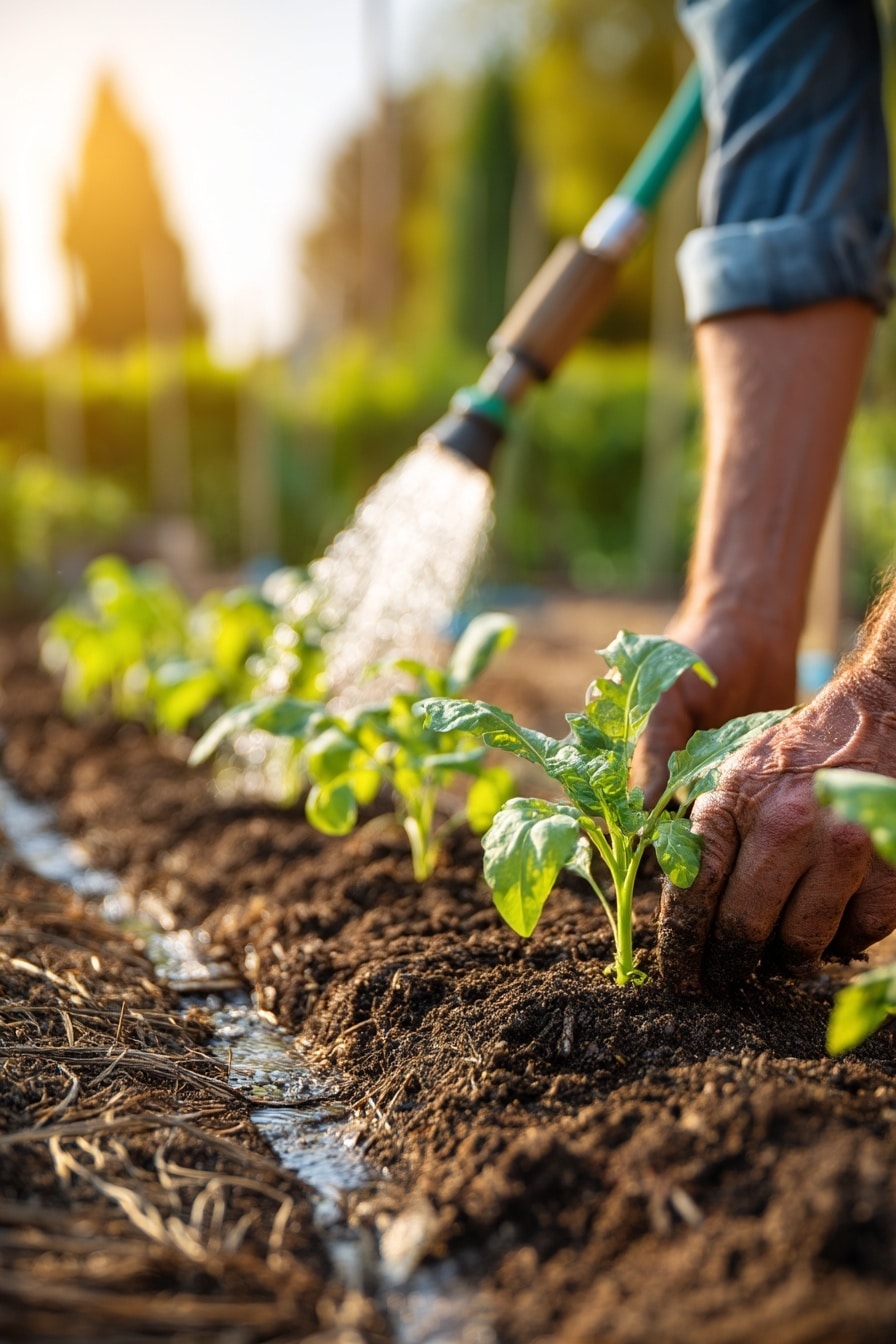
If you’re dreaming of a lush, bountiful garden, planting an in-ground garden is a wonderful and rewarding way to grow your favorite plants. Whether you’re a novice or an experienced gardener, this type of garden allows you to cultivate a variety of vegetables, herbs, and flowers right in your backyard. In-ground gardening is simple, cost-effective, and offers many benefits, such as healthier plants and higher yields. Let’s dive into five easy ways to plant an in-ground garden that will bring beauty and delicious produce to your outdoor space.
Table of Contents
1. Choose the Right Location

Selecting the perfect spot is crucial for the success of your in-ground garden. Choose an area that receives at least 6-8 hours of direct sunlight each day. Sunlight is essential for plant growth, and placing your garden in a sunny spot will help your plants thrive. Additionally, the soil should be well-drained, as standing water can damage roots. If your chosen area has poor drainage, consider adding organic matter to improve soil structure or even raising the garden bed to prevent waterlogging.
2. Test and Improve Your Soil
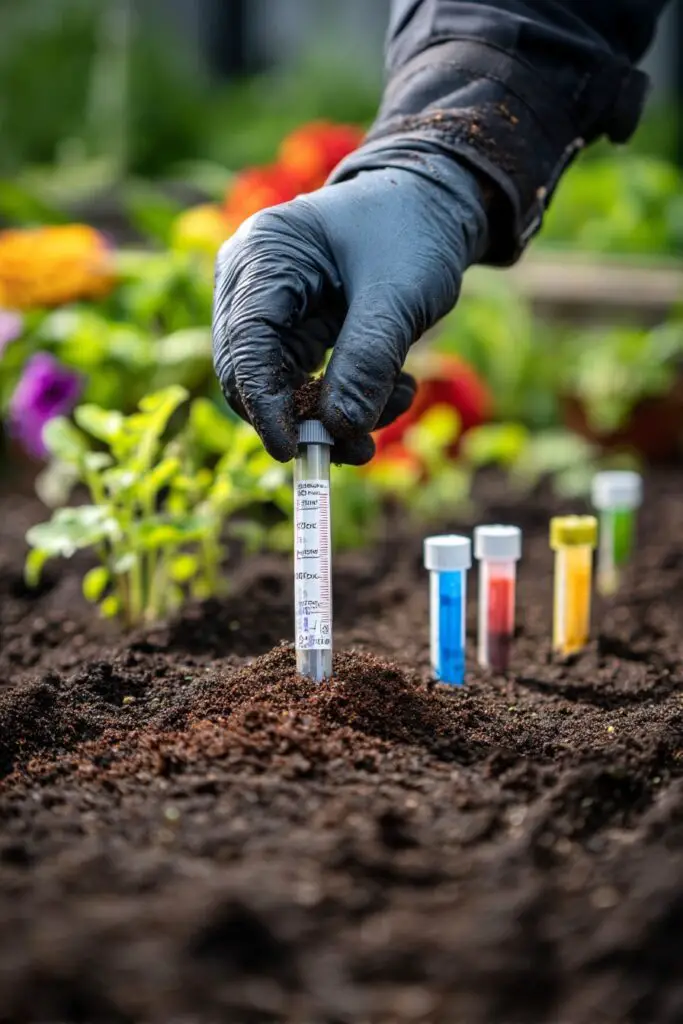
The next step in creating a thriving in-ground garden is testing and improving the soil. Healthy soil is the foundation of any successful garden. To ensure your plants get the nutrients they need, conduct a soil test to check for pH levels and nutrient deficiencies. You can purchase a simple test kit at your local garden store or send a sample to a local lab. Based on the results, amend your soil with compost, organic matter, or fertilizers to improve soil fertility and texture.
3. Plan Your Garden Layout
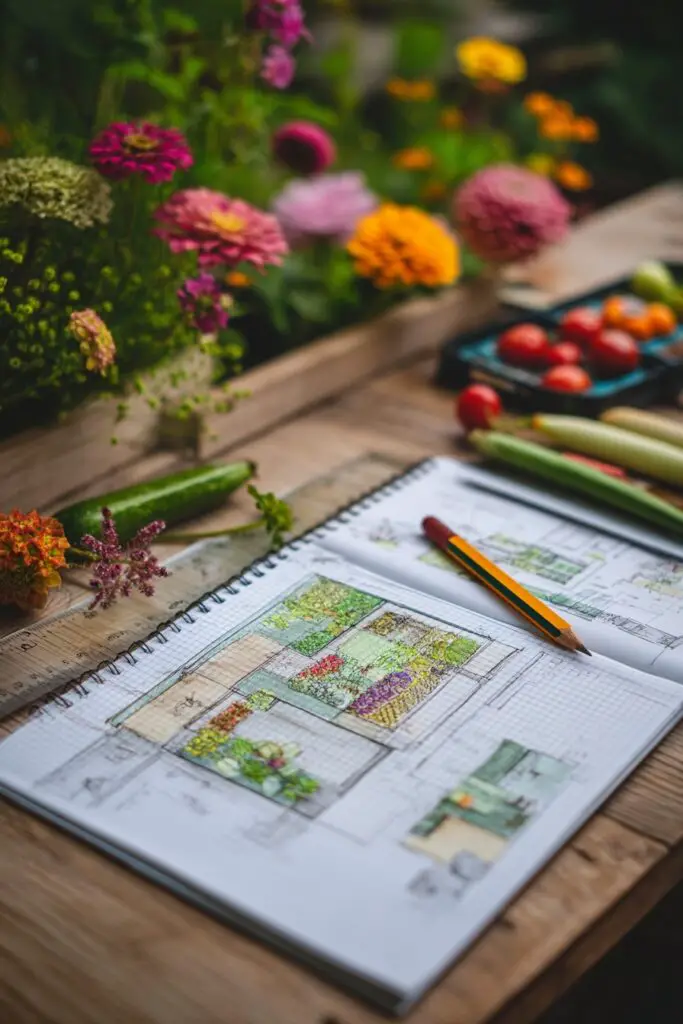
Planning your garden layout is key to maximizing space and ensuring that each plant gets enough sunlight and room to grow. Consider the size of your plants and how tall they’ll grow. For example, plant taller vegetables like tomatoes or sunflowers at the back of the garden and shorter ones, such as lettuce or herbs, in the front. Using this arrangement allows all plants to receive ample sunlight and airflow, promoting healthy growth.
You can also plan for companion planting, where certain plants grow better when placed next to each other. For example, planting basil near tomatoes can help repel pests and improve flavor. Use a garden planner or a simple sketch to visualize how your garden will look.
4. Prepare the Soil for Planting
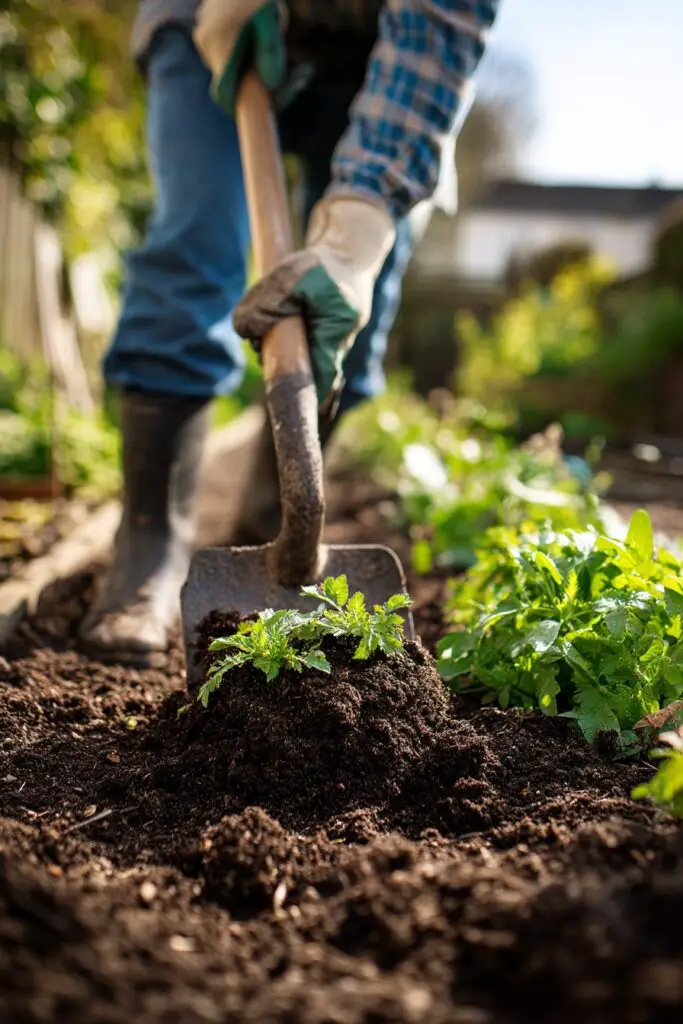
Once your garden layout is planned, it’s time to prepare the soil. Start by removing any weeds, rocks, or debris from the planting area. Next, loosen the soil with a shovel or garden fork to a depth of at least 6-8 inches, making it easier for roots to penetrate and access water and nutrients. If your soil is heavy clay or sandy, consider adding organic matter like compost or peat moss to improve texture and water retention.
For raised rows or mounded beds, pile soil into long rows or small mounds, leaving space between for pathways. This helps with water drainage and gives your plants room to expand as they grow.
5. Planting and Watering
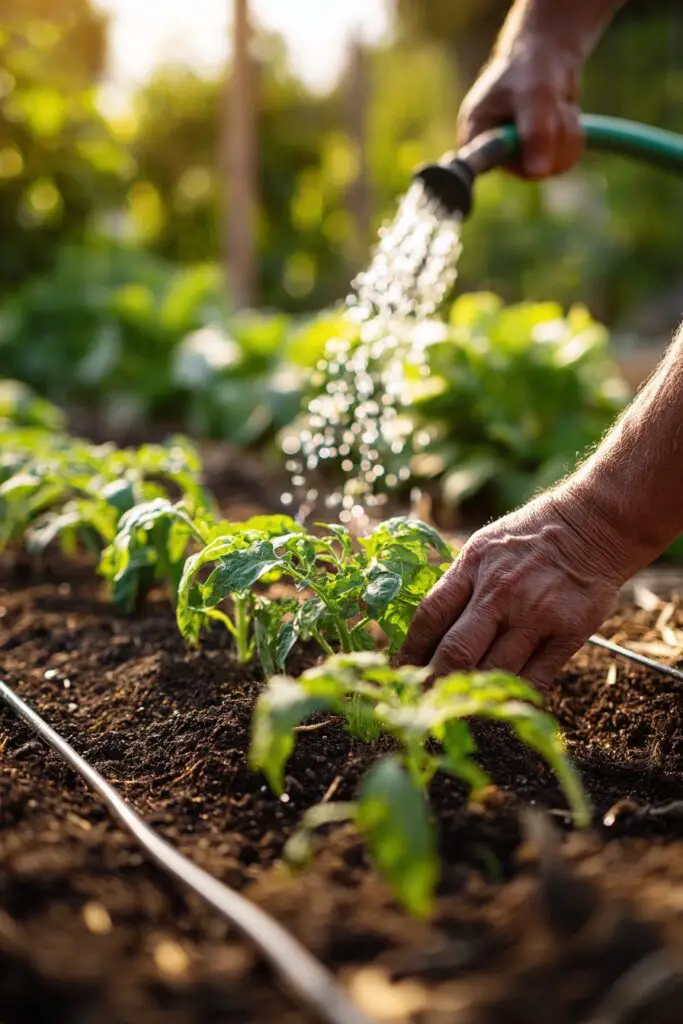
Now comes the most exciting part—planting! Depending on the season, choose plants that are suitable for your climate and the time of year. Follow the recommended planting depth for each plant type, as planting too deep or too shallow can affect growth. Gently place each plant in the soil, ensuring the roots are well spread and covered by soil.
After planting, water thoroughly but gently, ensuring the soil is moist but not soggy. Keep the garden well-watered, especially during dry spells, as plants need consistent moisture to establish strong roots. Mulching around your plants helps retain moisture and suppress weeds, making it easier to maintain your garden.
Conclusion
Planting an in-ground garden is a rewarding experience that can yield abundant results with a little time and effort. By choosing the right location, preparing your soil, planning your layout, and providing proper care, you’ll enjoy a thriving garden full of healthy plants. Whether you’re growing vegetables, herbs, or flowers, an in-ground garden allows you to connect with nature and enjoy the fruits of your labor. Happy gardening!