
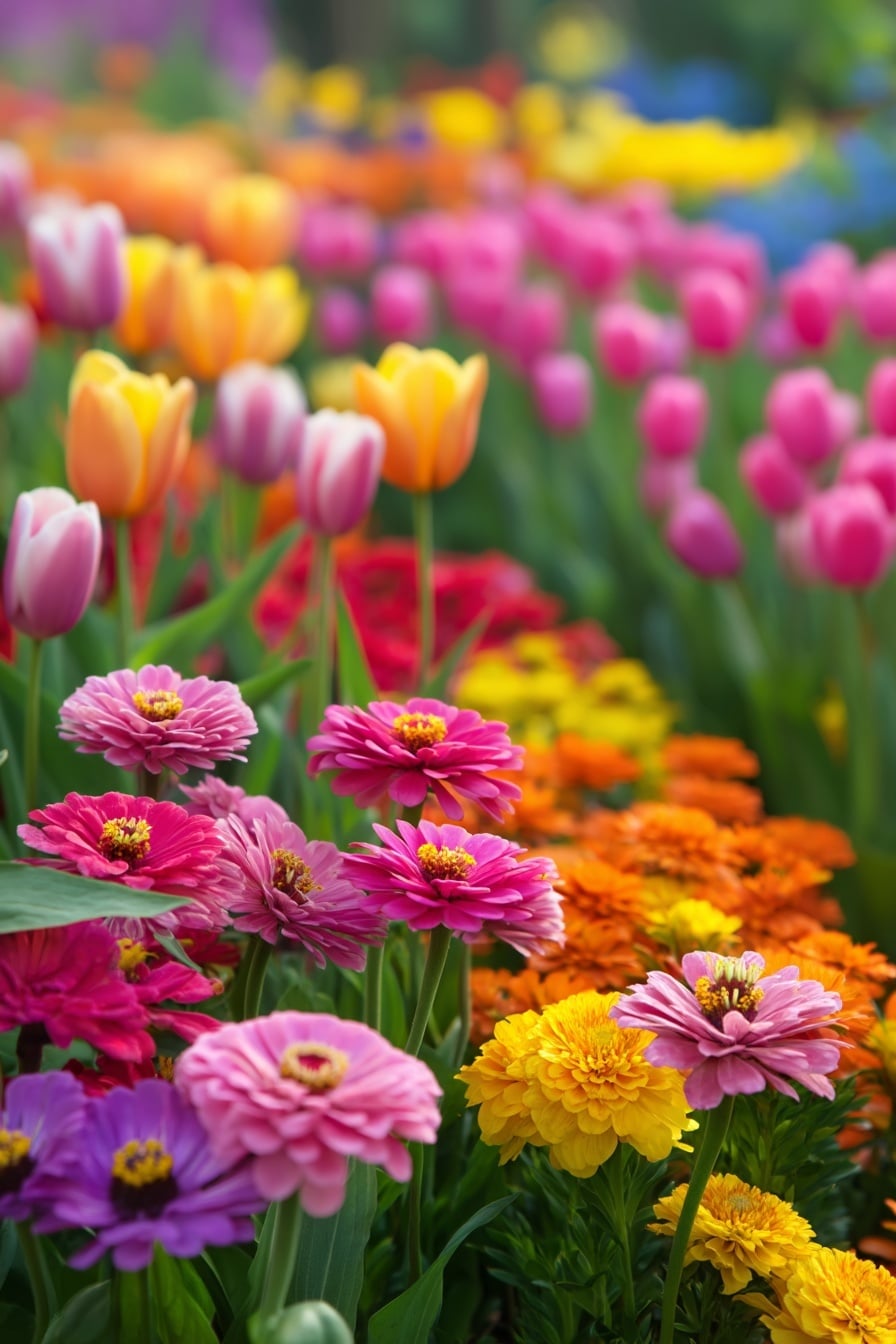
cut flower garden ideas offer both beauty and meaning to your outdoor space, letting you bring fresh stems indoors throughout the growing season. A garden like this not only lifts your yard with color and scent, but it also gives you the pleasure of picking blooms for bouquets, gifts, and seasonal arrangements. Whether you’re drawn to lush roses or an eclectic mix of foliage and flowers, these practical and creative cut flower garden ideas will help you design a vibrant floral patch that suits your space and personality.
Table of Contents
1. Create a Sunny Spot

When planning your cut flower garden ideas, sunlight is your best ally. Most flowering plants, especially those suited for cutting, thrive in full sun—typically six to eight hours of direct light daily. A sunny patch ensures stronger stems, richer color, and prolonged blooming.
Look for an open area in your garden that isn’t shaded by trees or buildings. If you have limited sun, focus on flowers that can tolerate partial light, like foxglove or aquilegia. Raised beds or containers can help maximize sunlight exposure and improve drainage.
Quick tips for a sunny cut flower spot:
- Choose south- or west-facing areas
- Trim overhanging branches to prevent shade
- Use well-draining soil and compost-rich amendments
- Rotate plants annually to avoid nutrient depletion
A sun-soaked garden sets the foundation for healthy blooms and high yields throughout the growing season.
2. Plan for Succession Planting
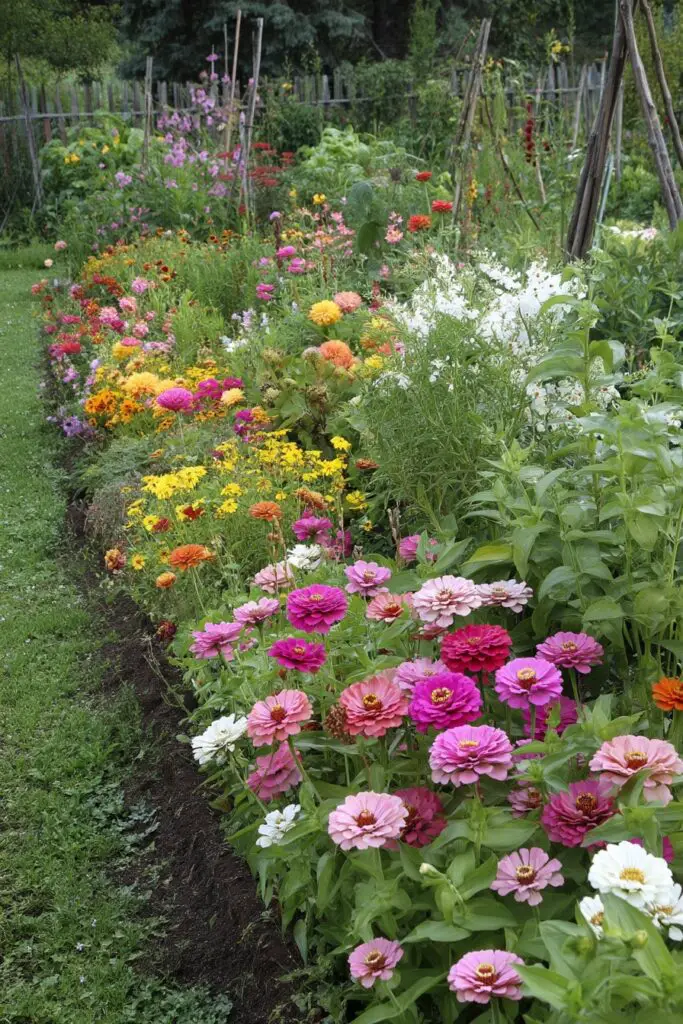
One of the smartest cut flower garden ideas is succession planting—growing flowers in timed intervals so your garden produces blooms continuously rather than all at once. This technique not only extends your harvest season but ensures you always have fresh flowers ready for cutting.
Start by selecting a mix of early-, mid-, and late-season bloomers. Stagger your planting schedule for quick-growing varieties like zinnias, cosmos, or snapdragons every two to three weeks. This keeps your beds productive and full of life from spring through early fall.
Tips for successful succession planting:
- Keep a planting calendar or log to track sowing dates
- Re-seed fast-growing annuals regularly
- Replace harvested plants with new seedlings or different varieties
- Pair quick growers with long-season perennials for consistent color
This method keeps your garden dynamic and ensures you’re never short on flowers for your vases or arrangements.
3. Choose Long-Stemmed Varieties
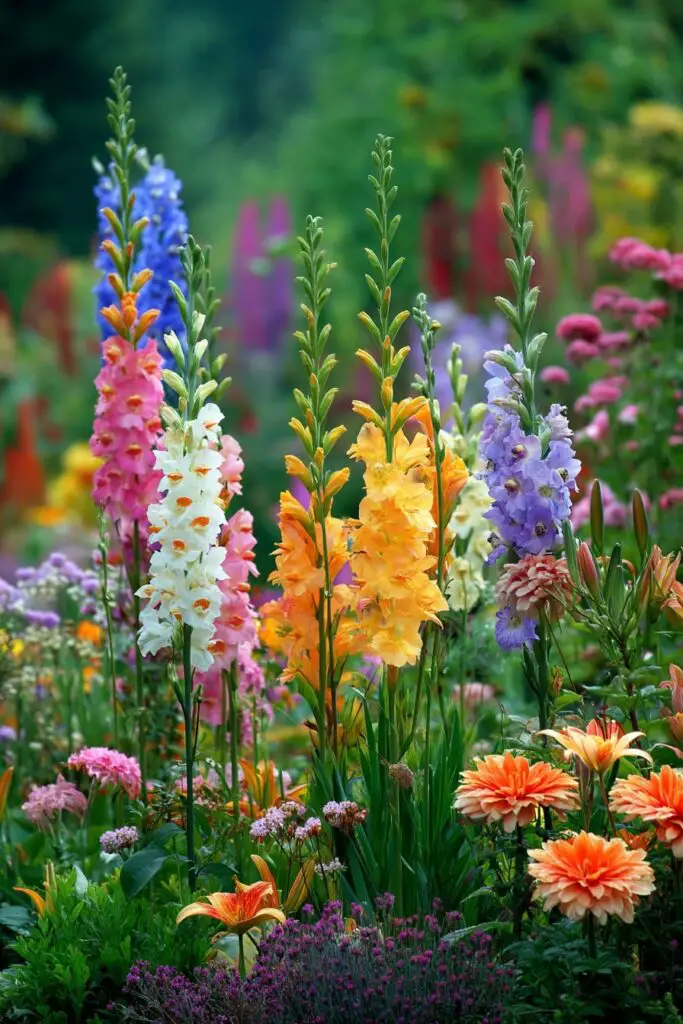
When curating your cut flower garden ideas, prioritize plants known for their long, sturdy stems. These flowers are easier to harvest and arrange, holding up better in vases and lasting longer indoors.
Classic choices include dahlias, delphiniums, snapdragons, and lilies—each offering both height and beauty. Long-stemmed flowers create structure in arrangements and make it easier to handle when designing bouquets. They also stand out in garden beds, adding vertical interest to your landscape.
Best practices for growing long-stemmed blooms:
- Space plants well to encourage upright growth
- Stake or support taller varieties to prevent bending
- Water deeply but infrequently to promote strong roots
- Deadhead regularly to encourage continuous flowering
Choosing the right varieties will elevate both your garden’s visual appeal and your floral arrangements.
4. Grow a Mix of Annuals and Perennials
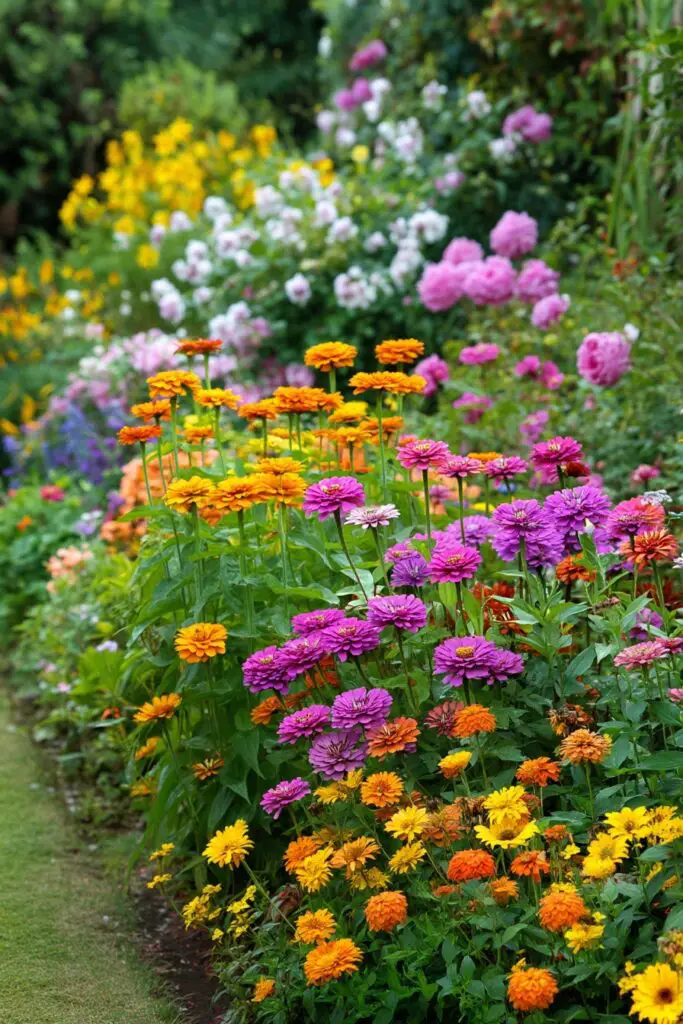
A balanced mix of annuals and perennials is key to successful cut flower garden ideas. Annuals like zinnias, cosmos, and sunflowers grow quickly and bloom profusely in their single-season cycle, while perennials such as echinacea, phlox, and peonies return year after year, offering structure and seasonal reliability.
This combination ensures your garden has both bursts of color and long-term stability. Annuals fill gaps and provide quick satisfaction, while perennials deepen your planting with established roots and evolving textures over time.
Why mixing matters:
- Annuals provide vibrant, fast-growing color
- Perennials reduce yearly planting effort
- Layering both extends your bloom window
- Diverse growth habits create a lush, full garden
Using both types also helps support pollinators and increases your bouquet options from spring through fall.
5. Include Foliage Plants for Texture
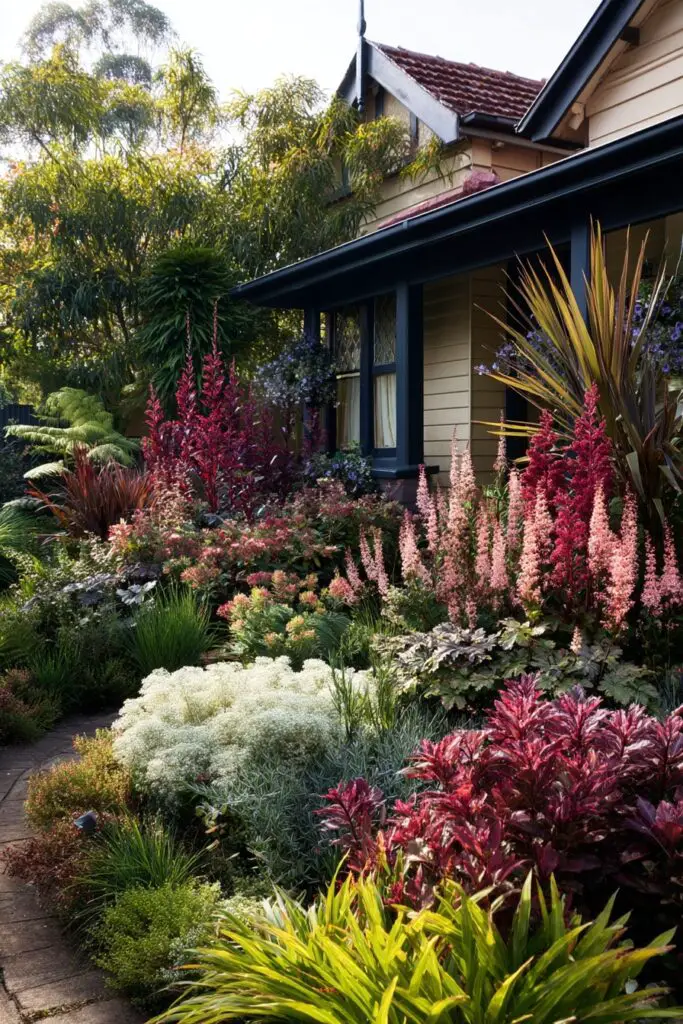
Incorporating greenery is one of the most overlooked yet effective cut flower garden ideas. Foliage plants not only fill visual gaps in the garden but also bring structure, contrast, and texture to flower arrangements. Think of foliage as the frame that highlights the blooms.
Popular foliage choices include dusty miller, eucalyptus, ferns, and ornamental grasses. Their subtle tones and varied leaf shapes make bouquets more dynamic and balanced. Many of these plants are also low-maintenance and thrive alongside colorful flowers.
How to use foliage effectively:
- Plant in between blooms to add fullness
- Select foliage with long stems for easy cutting
- Mix bold and fine-textured leaves for contrast
- Use evergreen options for year-round greenery
With the right greenery, your garden becomes not just a source of blooms, but a full-service florist station.
6. Choose Easy-to-Grow Varieties
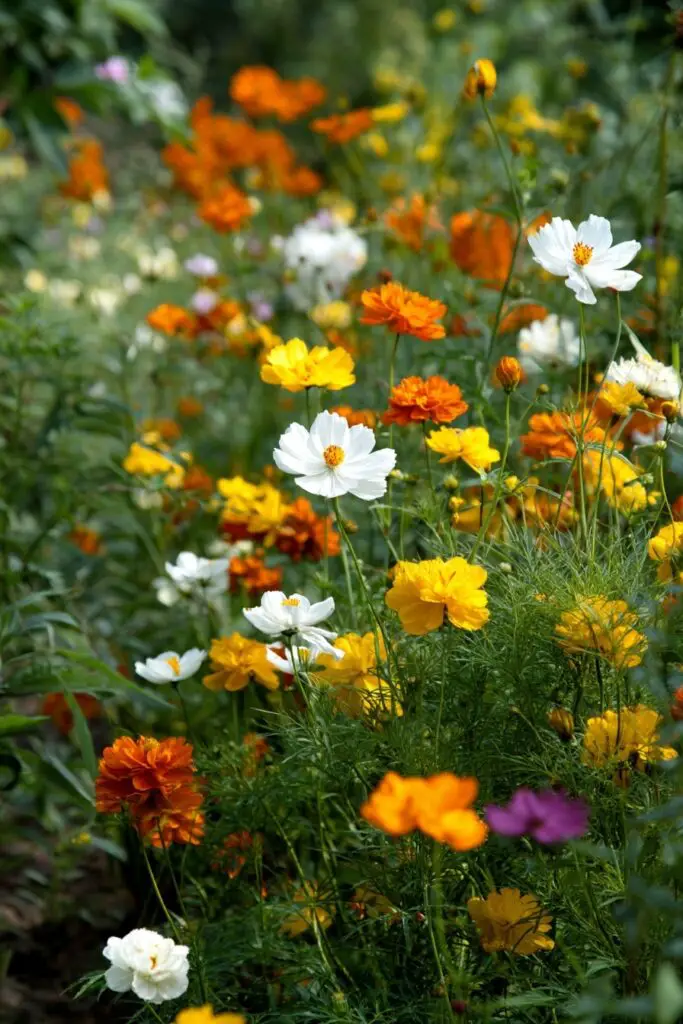
For gardeners just starting out—or anyone seeking reliable results—choosing easy-to-grow flowers is one of the smartest cut flower garden ideas. These hardy bloomers are forgiving, productive, and require minimal fuss, making them perfect for busy or beginner gardeners.
Top picks include marigolds, zinnias, cosmos, calendula, and bachelor’s buttons. These plants germinate quickly, grow well in a range of soil types, and thrive with basic care. Many also self-seed, providing blooms year after year with little effort.
Benefits of easy-grow flowers:
- High yield with minimal maintenance
- Great for teaching kids or learning garden basics
- Tolerant of inconsistent watering or soil conditions
- Continuous blooms throughout the season
By mixing these fuss-free favorites into your garden, you’ll always have fresh flowers ready to snip and enjoy.
7. Add Fragrant Flowers
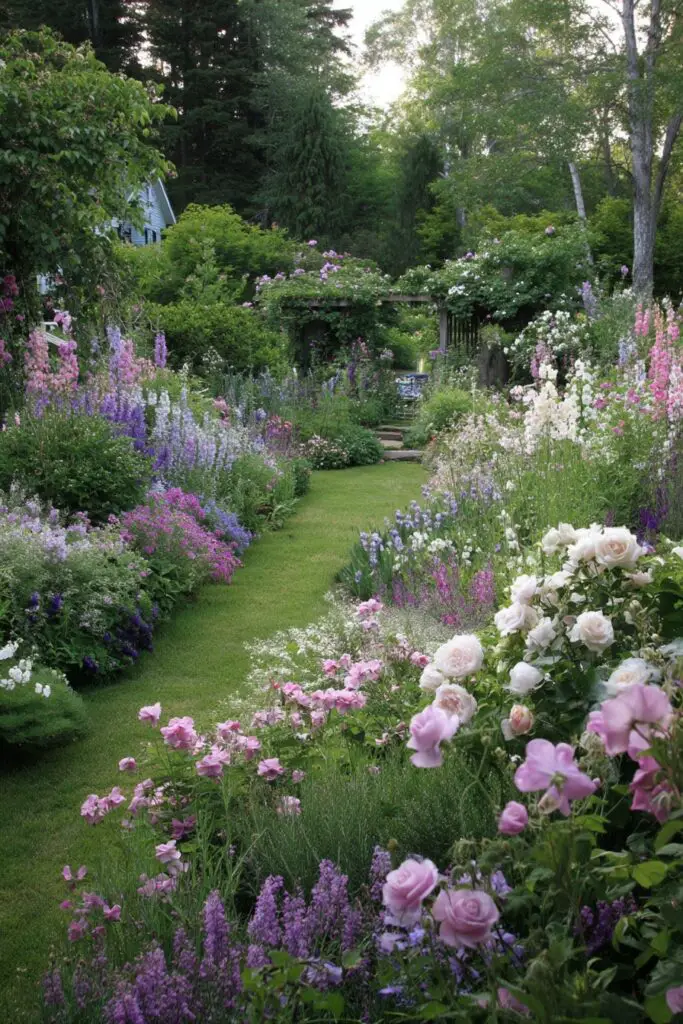
Scent is a powerful addition to any bouquet, making fragrant blooms one of the most delightful cut flower garden ideas. Including flowers with appealing aromas not only enhances your indoor arrangements but also brings a sensory layer to your garden experience.
Popular fragrant flowers for cutting include sweet peas, lavender, roses, garden phlox, and stock. These varieties offer a range of scents—from soft and sweet to bold and spicy—that linger in the air and in the vase.
Fragrance tips for your garden:
- Plant scented varieties near paths or seating areas
- Cut blooms in the morning for peak scent retention
- Group similar scents for a stronger impact
- Combine fragrances carefully in bouquets for harmony
A well-scented garden creates a rich, memorable atmosphere and adds emotional warmth to every flower you bring indoors.
8. Think in Layers for Height and Depth
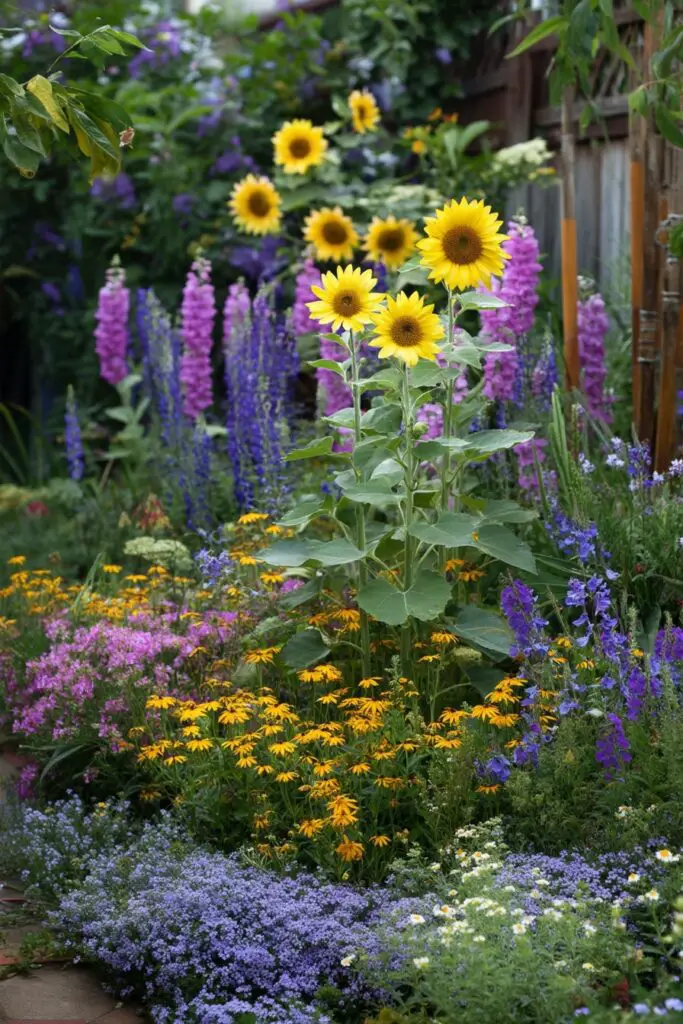
Designing with layers is a visually impactful cut flower garden idea that also makes harvesting easier. By grouping plants based on height—tall at the back, mid-sized in the middle, and shorter blooms in front—you create a flowing, balanced garden that looks full from every angle.
Tall growers like hollyhocks, delphiniums, and sunflowers make bold backdrops. Mid-sized options such as snapdragons or scabiosa provide mass and variety, while low-growers like pansies or alyssum soften the edges.
Layering benefits include:
- Maximized sunlight exposure for all plants
- Easier access to stems for cutting
- A tiered look that mimics nature
- Better airflow and reduced crowding
This method works in both borders and raised beds, giving your garden structure and making it more productive and attractive.
9. Consider Seasonal Blooms
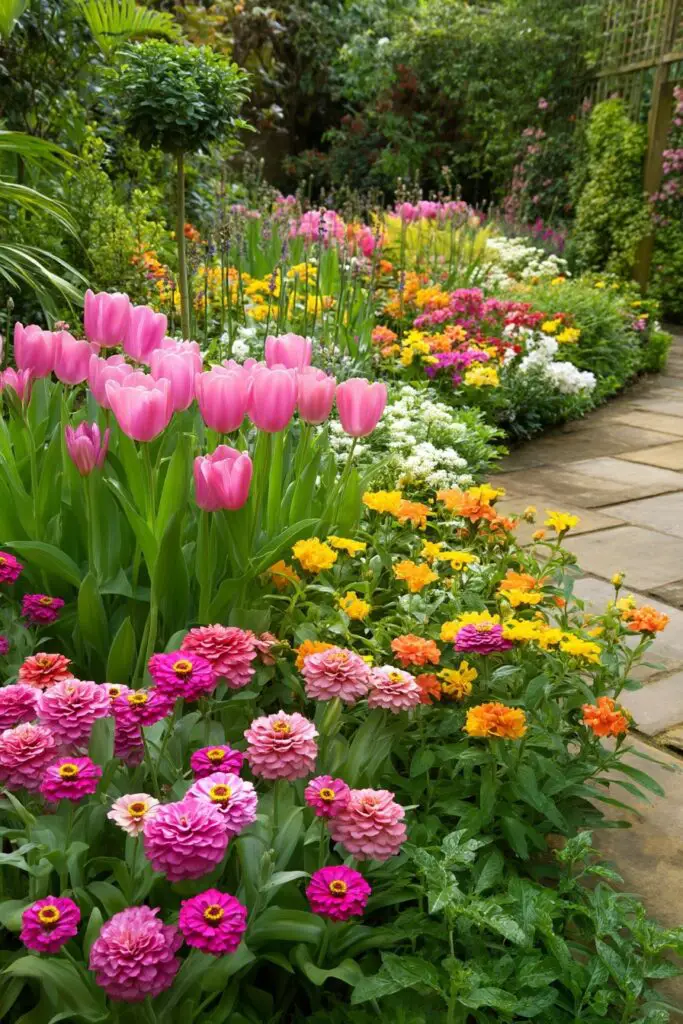
Timing is everything when planning cut flower garden ideas that keep your vases full from spring to fall. By selecting flowers that bloom at different times of year, you ensure a rotating supply of color and variety throughout the growing season.
Early spring blooms like tulips and daffodils bring the first flush of color, while summer favorites such as zinnias, cosmos, and dahlias offer vibrant mid-season options. Late bloomers like chrysanthemums and sedum provide structure and interest into autumn.
Seasonal planning tips:
- Group flowers by bloom time when mapping out beds
- Use bulbs for early blooms and annuals for fast summer color
- Plant perennials that return at the same time each year
- Keep notes on bloom dates to refine your layout annually
A seasonal strategy brings rhythm to your garden and guarantees you’ll always have something fresh to cut.
10. Grow What You Love
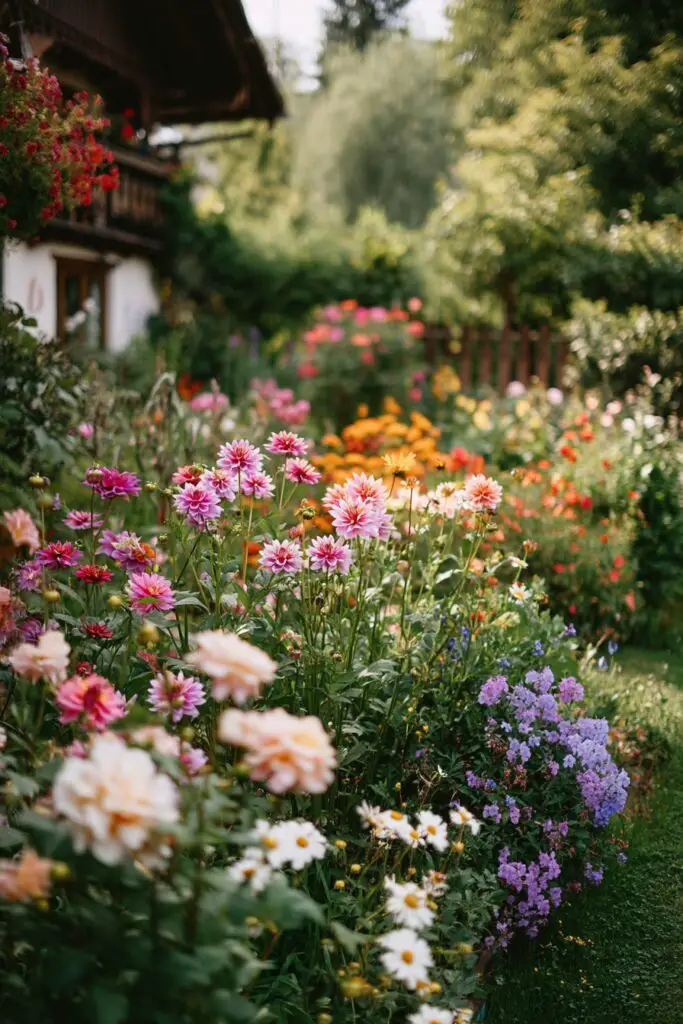
At the heart of all successful cut flower garden ideas is personal joy. While it’s tempting to follow trends or mimic picture-perfect designs, the most rewarding gardens are those filled with flowers you genuinely love—whether that’s cheerful sunflowers, elegant lilies, or a nostalgic mix from your childhood garden.
Your personal preferences should guide your choices in color, scent, bloom type, and even how the flowers feel in your hand. This connection not only makes gardening more meaningful but ensures your arrangements reflect your unique style and spirit.
Why growing what you love matters:
- Boosts motivation to tend and maintain the garden
- Makes bouquets more personal and satisfying
- Encourages creativity in arrangements and design
- Builds a lasting emotional connection to your space
A garden planted with your favorites will always be the one that brings the most joy—both outdoors and inside your home.